



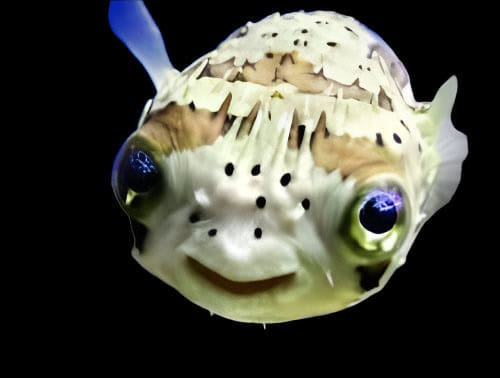
Porcupine Puffer Diodon holocanthus
Price range: $62.97 through $629.97
Select Variant
Notify Me When In Stock
The Porcupine Puffer Diodon holocanthus is a charismatic marine species known for its large eyes, defensive spines, and interactive behavior. Its unique appearance has made it one of the most recognizable pufferfish in the aquarium hobby.
Related Products
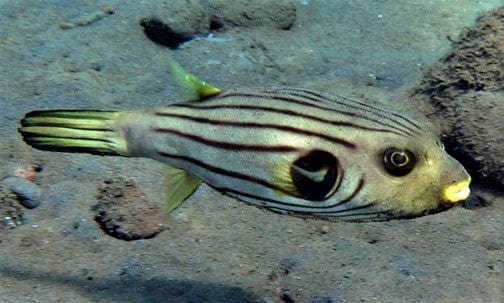
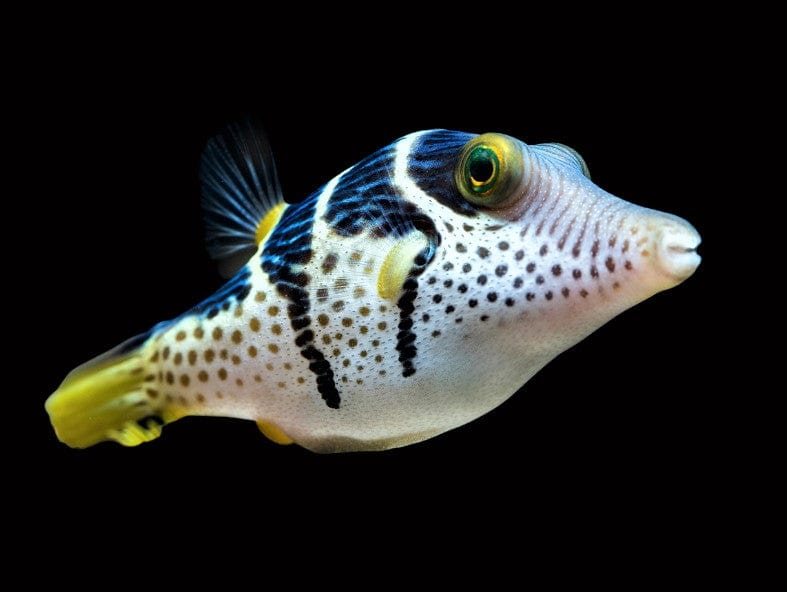
Select Sizes on Sale
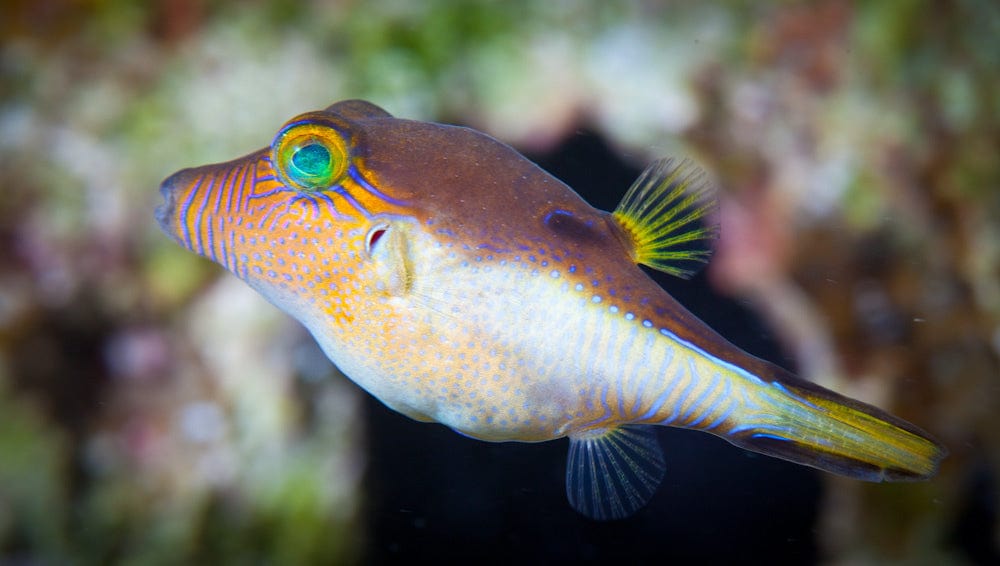
Sale
Original price was: $74.97.$53.97Current price is: $53.97.
- Description
- Additional Information
- Reviews
Porcupine Pufferfish Diodon holocanthus
The Porcupine Puffer is a spiny animal with appendages that cover most of its body. Its color can range from light grey to mottled shades occasionally that have dark spots. The teeth of the animal are actually a fusion-like beak. This Porcupine Puffer lacks pelvic fins however, it has learned to make use of pectoral fins in order to move around. An aquarium that is large and fish-only with a solid protein skimmer can be a great place to keep it. While generally peaceful, they can occasionally show semi-aggressive behavior by nipping at tankmates, often leaving distinct, circular bite marks in their fins. Due to their natural predatory instincts, they will readily devour ornamental shrimp, crabs, and other invertebrates, making them unsuitable for reef environments. It has the ability to inflate its body up to nearly double the size it is normally when threatened. The flesh of the animal is toxic if they are consumed.Aquarium Setup & Maintenance
Due to its large potential size and heavy metabolic output, the Porcupine Pufferfish needs a spacious fish-only or fish-only-with-live-rock (FOWLR) aquarium. Strong filtration paired with a heavy-duty protein skimmer is vital to maintaining clear, high-quality water. Arrange live rock to form large caves and arches for resting spots, while leaving plenty of open water for swimming.Diet & Feeding Requirements
Porcupine Puffers are natural predators equipped with powerful fused teeth that form a solid beak. In the wild, they use this beak to crack open hard-shelled invertebrates. In captivity, feed them a steady diet of meaty marine foods, including whole clams, mussels, crabs, unpeeled shrimp, and squid. Offering hard shells regularly is essential to naturally wear down their teeth and prevent overgrowth, which can otherwise stop them from eating.Tankmate Compatibility
While generally peaceful toward similar-sized companions, this species can display semi-aggressive tendencies. They are notorious fin-nippers and may take circular bites out of slow-moving or long-finned tankmates. Additionally, they are strictly not reef-safe, as they will quickly devour snails, hermit crabs, ornamental shrimp, and sea urchins. Choose large, active, non-aggressive companions like tangs, wrasses, and angels when housing them alongside other marine pufferfish.Quick Care Stats
- Care Level: Moderate
- Temperament: Semi-aggressive
- Minimum Tank Size: 100 Gallons
- Reef Safe: No (Will consume all invertebrates)
- Diet: Carnivore (Requires hard-shelled meaty foods)
- Toxin Level: Poisonous if consumed (Contains tetrodotoxin)
Key Facts
- Movable Spines: Features long, flexible spines that lie flat against the body until the fish inflates.
- Crushing Beak: Strong fused jaw plates easily break open tough crustacean and mollusk shells.
- Air Exposure Warning: Never remove this fish from the water with a mesh net; if it inflates with air instead of water, the trapped air can be fatal. Use a clear container for transfers.
Size
T | J | S | SM | M | ML | L | XL | XXL | SHOW

Reviews
There are no reviews yet.