



Rock Beauty Angelfish Atlantic Holacanthus tricolor
- Description
- Additional Information
- Reviews
Rock Beauty Angelfish Overview and Aquarium Behavior
The Rock Beauty Angelfish moves actively through reef structures and open water, creating constant motion in the aquarium. When browsing the fish collection, this species stands out for its bold contrast and steady grazing behavior. It explores rockwork throughout the day and benefits from environments that provide both shelter and swim space.
Rock Beauty Angelfish Appearance and Growth
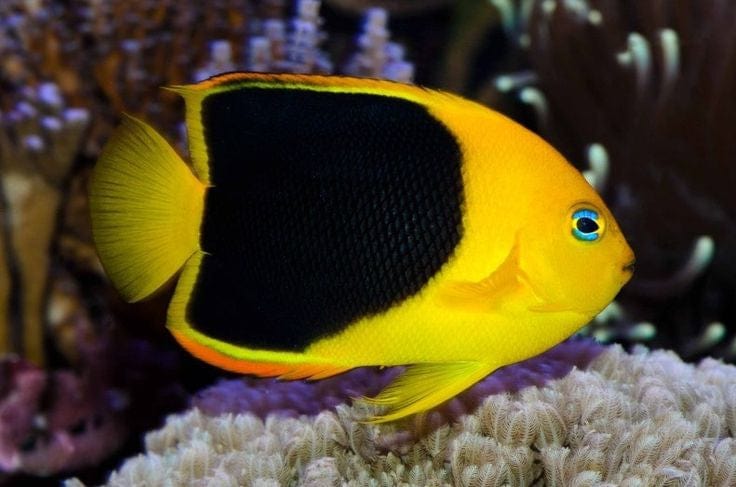
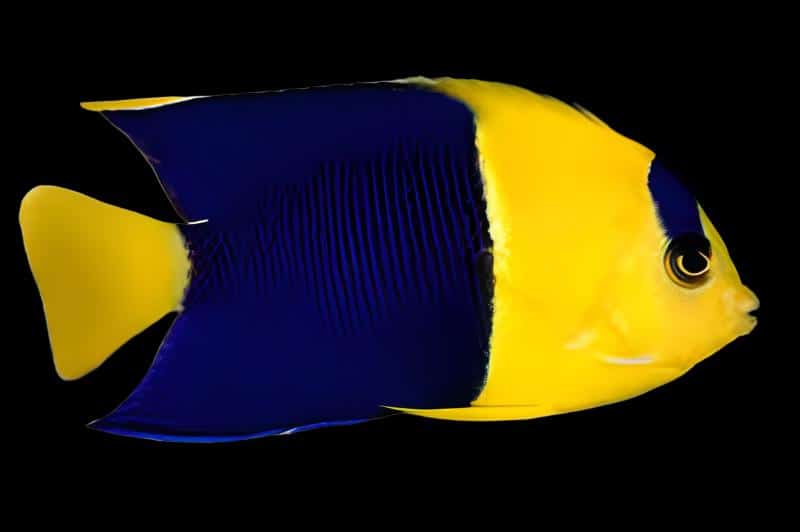
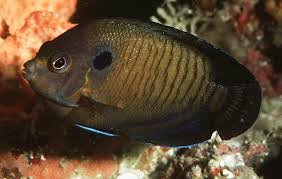
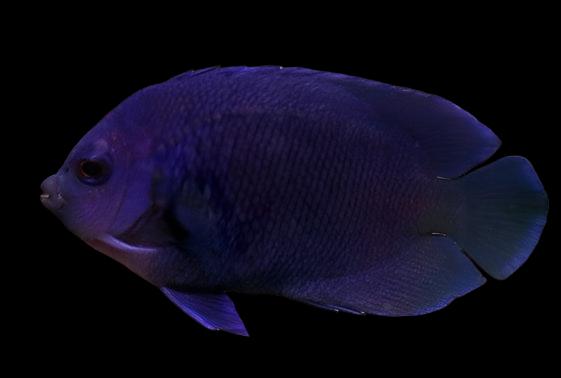
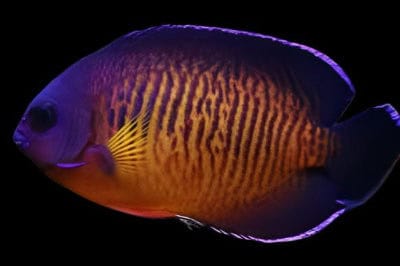
The Rock Beauty Angelfish develops one of the most recognizable color patterns in marine aquariums. Juveniles begin with brighter yellow tones and evolve into a two-tone adult form with a darker midsection and vibrant head and tail.
Subtle blue highlights around the face enhance its appearance under reef lighting. As it matures, the contrast becomes sharper, making it a standout species in larger aquariums.
Within the angelfish category, the Rock Beauty Angelfish is recognized for its striking appearance and assertive presence in larger marine systems. This species establishes territory early and should be housed as the only angelfish in most setups to prevent conflict. It integrates best with other medium to large fish that do not resemble its body shape or compete for the same grazing zones. A well-structured tank with defined rock formations allows the Rock Beauty Angelfish to claim space naturally, reducing stress while encouraging consistent movement and feeding behavior.
Rock Beauty Angelfish Feeding and Diet Requirements
The Rock Beauty requires a consistent and varied feeding schedule to maintain long-term health. It grazes naturally throughout the day and benefits from multiple smaller feedings.
- Marine algae and seaweed sheets
- Spirulina-based foods
- Mysis shrimp and brine shrimp
- Angelfish-specific prepared foods
A balanced diet supports coloration, reduces stress, and improves immune function.
Rock Beauty Angelfish Reef Compatibility and Tankmates
The Rock Beauty is not reef safe and may nip at corals, sponges, and invertebrates. It performs best in fish-only or FOWLR systems where it can exhibit natural feeding behavior without damaging coral structures.
Compatible tankmates include:
These species occupy different areas of the tank and help minimize direct competition.
For additional scientific details, habitat data, and species-specific research, refer to FishBase.
Rock Beauty Angelfish Aquarium Setup and Requirements
A properly structured aquarium improves both behavior and longevity. Rock formations, caves, and swim-through areas provide security and reduce stress.
- Minimum tank size: 120 gallons
- Temperature: 74–78°F
- pH: 8.1–8.4
- Specific gravity: 1.020–1.025
- Water flow: Moderate
Stable parameters and consistent maintenance are essential for long-term success.
Care Facts
- Care Level: Advanced
- Temperament: Semi-aggressive
- Diet: Omnivore
- Reef Compatible: No
- Scientific Name: Holacanthus tricolor
- Family: Pomacanthidae
- Origin: Western Atlantic Ocean
- Minimum Tank Size: 120 gallons
Approximate Purchase Size
- Small: under 1.25 inches
- Small Medium: 1.25 to 1.75 inches

Reviews
There are no reviews yet.