


Regal Angelfish Yellow Belly Red Sea
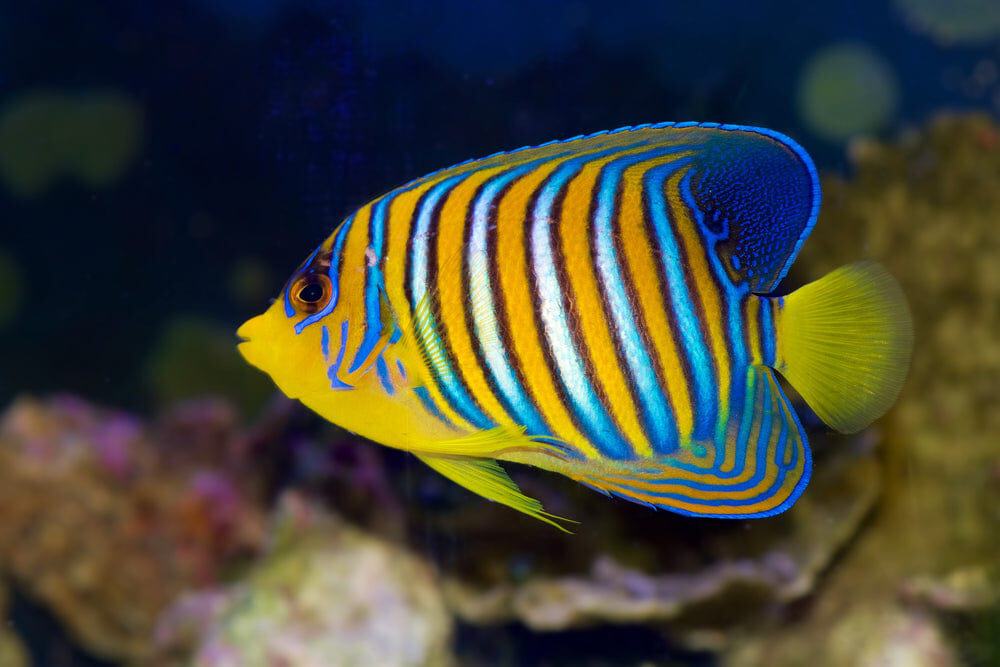
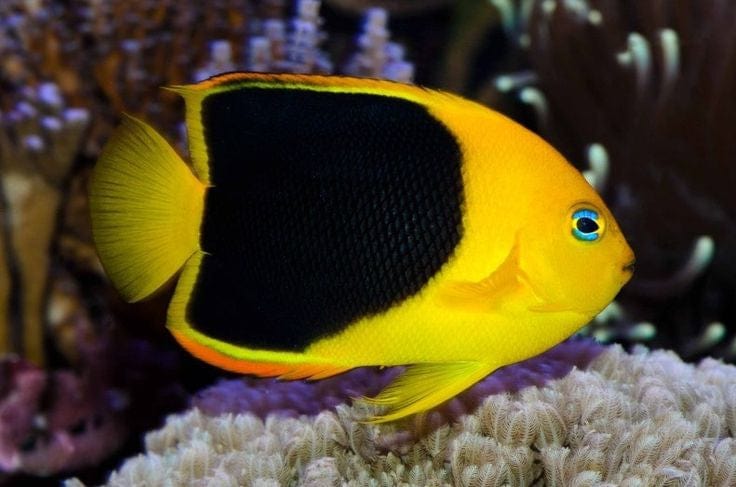
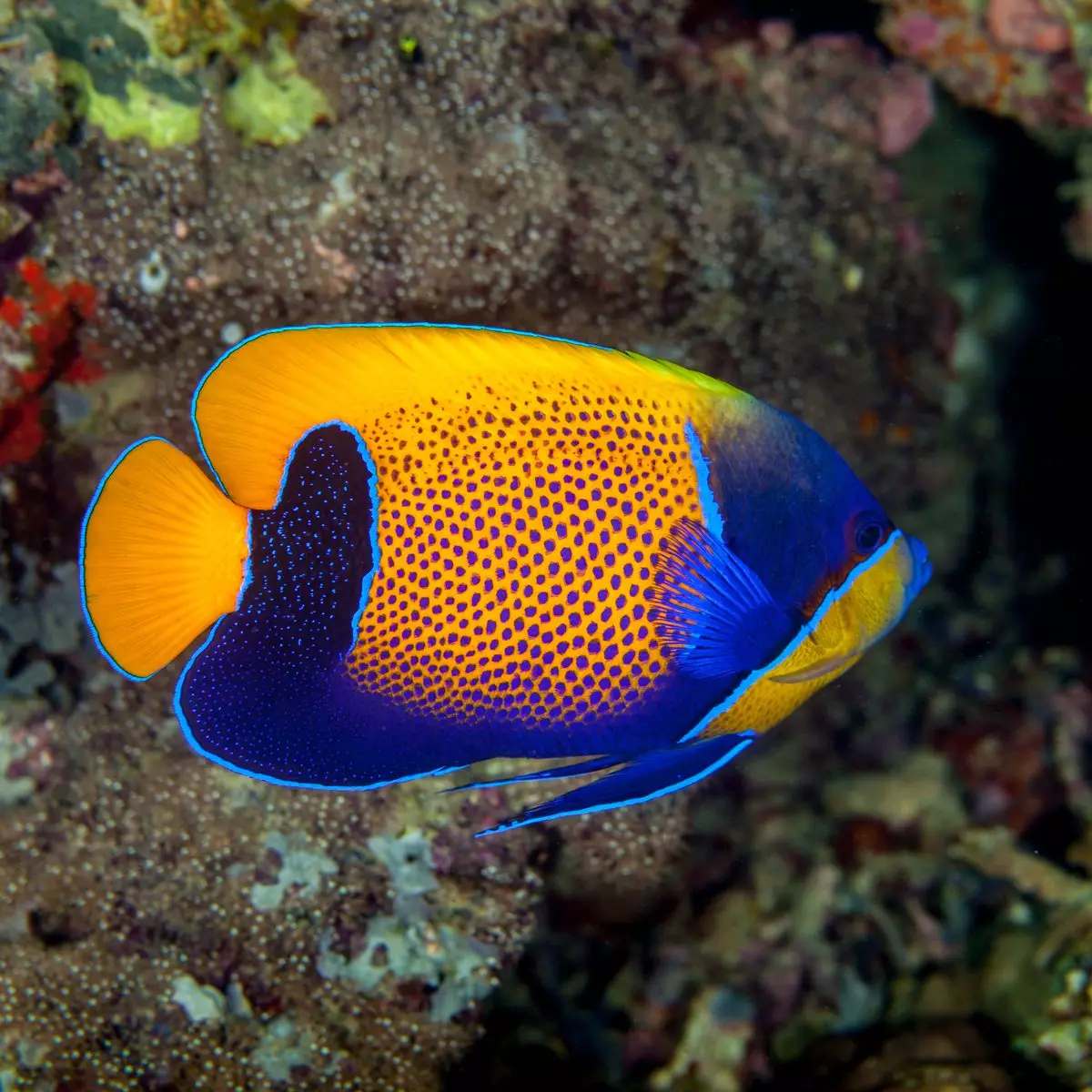
The Red Sea Yellow Belly Regal Angelfish features sharp vertical striping and a vivid golden chest that stands out in mature reef systems. It thrives in stable aquariums with calm tankmates and consistent feeding routines.
- Description
- Additional Information
- Reviews
Regal Angelfish (Red Sea Yellow Belly) – Pygoplites diacanthus
The Red Sea Regal Angelfish stands out the moment it enters a tank. Its yellow belly contrasts sharply against clean white and orange bands, giving it a bold, high-contrast look that draws attention without trying too hard. This variant feels calmer in presence compared to other large angels, often gliding rather than darting.
In established aquariums, this fish settles into a steady rhythm. It spends time weaving through rockwork, pausing in shaded areas, and grazing between feedings. Patience matters early on, but once comfortable, it becomes far more visible and confident.
What Makes the Red Sea Yellow Belly Variant Different
Unlike Indo-Pacific specimens, this form has a rich yellow-to-orange chest that remains vibrant into adulthood. The striping appears more defined, with darker edging that sharpens the overall pattern. Many hobbyists notice these fish adjust faster to aquarium life, especially when introduced into stable systems.
This combination of color clarity and improved adaptability is why the Red Sea form is often prioritized over other regional variants.
Behavior and Tank Presence
Expect a shy start. This species does not rush into open water right away. It prefers to observe first, then slowly claim space within the aquascape.
- Moves deliberately through rock structures
- Avoids aggressive or fast-moving tankmates
- Becomes more interactive once feeding routines stabilize
- May show mild territorial behavior toward similar species
A calm environment with minimal aggression helps this fish settle much faster.
Feeding Approach and Diet Expectations
Feeding success determines long-term outcomes with this species. It rarely competes well in crowded tanks, so targeted feeding helps.
- Accepts mysis, brine, and finely chopped seafood
- Benefits from angelfish-specific foods containing sponge matter
- Grazes naturally when live rock is mature
- Responds well to multiple small feedings daily
Food placed on clips or near rock surfaces often works better than free-floating options.
Reef Compatibility and Risk Level
This angelfish sits in the “with caution” category for reef tanks. Some individuals ignore corals completely, while others develop a taste for fleshy polyps or clam mantles.
Keeping it well-fed reduces risk, but it does not eliminate it. Larger reef systems tend to see better outcomes due to space and food availability.
Aquarium Setup That Works
A mature tank makes a noticeable difference here. Stability matters more than anything else.
- Minimum 125 gallons for long-term care
- Established rockwork with caves and shaded areas
- Stable salinity and pH with minimal fluctuation
- Moderate flow with both open swim space and structure
Avoid adding this fish into newly set up systems. It performs best when the tank already feels “alive.”
Acclimation and Early Care Notes
The first few weeks shape everything. Quiet surroundings and consistent feeding go a long way.
- Introduce before aggressive tankmates when possible
- Watch for signs of stress or refusal to eat
- Use quarantine to establish feeding behavior
- Avoid specimens that appear thin or withdrawn
Once feeding consistently, success rates improve significantly.
Frequently Asked Questions About the Regal Angelfish Yellow Belly
Is the Red Sea Regal Angelfish easier to keep than other variants?
Yes, in many cases. Red Sea specimens tend to adapt more reliably due to better collection and handling practices.
Will it damage corals in a reef tank?
It can. Some individuals leave corals alone, while others may nip at LPS, soft corals, or clams.
How long does it take to start eating?
Some begin within days, while others take longer. Offering a variety of foods increases success.
Can it live with other angelfish?
Not recommended. It may become stressed or territorial, especially in smaller systems.
What is the biggest challenge with this species?
Getting it to eat consistently early on. Once established, care becomes much more manageable.
Quick Stats & Info
- Care Difficulty: Moderate to High
- Aggressiveness: Semi-aggressive, docile
- Primary Colors: Blue, White, Black, and Purple
- Feeding Behavior: Omnivore
- Reef Suitability: Yes
- Water Chemistry Range: 72 to 78 degrees Farenheit, 1.020 to 1.025 water density, and 8.1 to 8.4 pH
- Max Adult Size: 10 inches (rare)
- Habitat Origin: Red Sea
- Taxonomic Family: Pomacanthidae
- Scientific Name: Pygoplites diacanthus
- Tank Size Requirement (Minimum): 125 gallons
- Tank Size Range (Maximum): 200 gallons or more
Size Breakdown & Estimates
- Tiny: 1.2 to 1.7 inches
- Small: 1.8 to 2,3 inches
- Small-Medium: 2.4 to 3,2 inches
- Medium: 3,3 to 4 inches
- Medium-Large: 4.1 to 5 inches
- Large: 5.1 to 6 inches
- XL: 6.1 to 7 inches
- XXL: 7.1 to 7.9 inches
- Show Size: 8 to 8.6 inches
- Jumbo: 8.7 inches to 9.2 inches (rare)
Reviews
There are no reviews yet.