



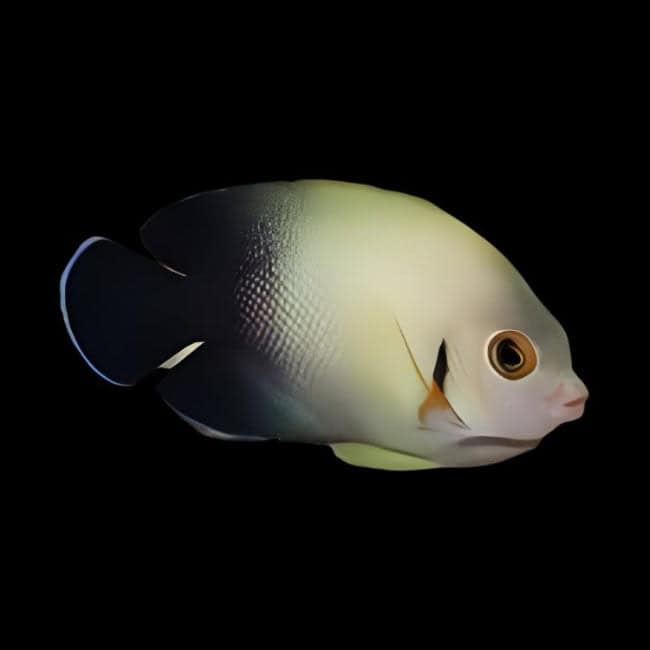
Half Black Angelfish Centropyge vroliki
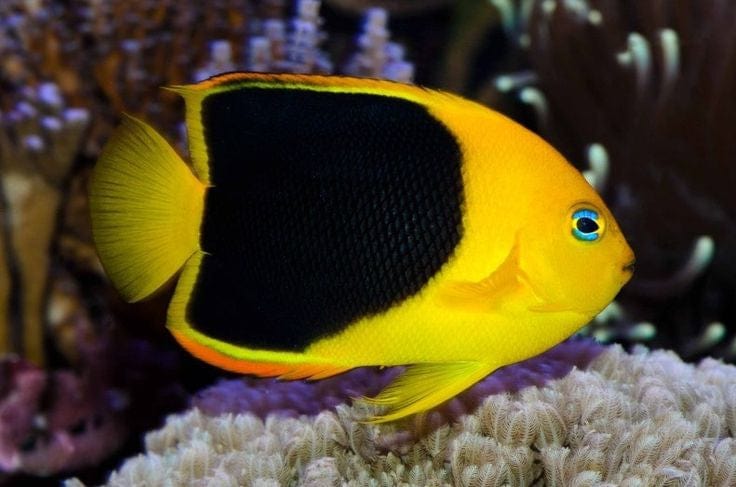
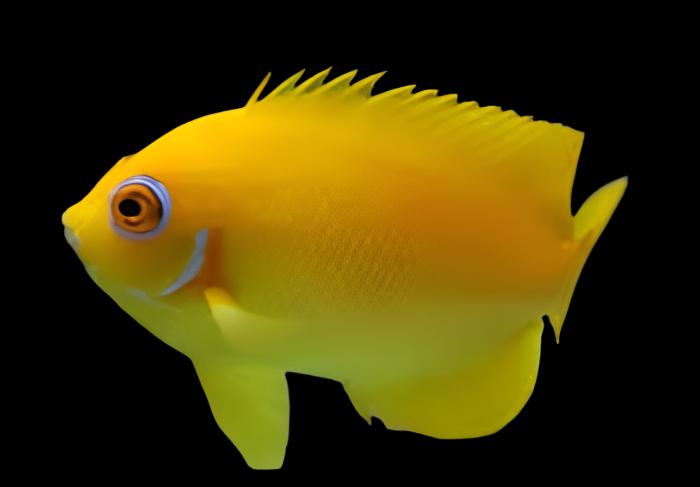

- Description
- Additional Information
- Reviews
Half Black Angelfish Care, Behavior, and Aquarium Setup
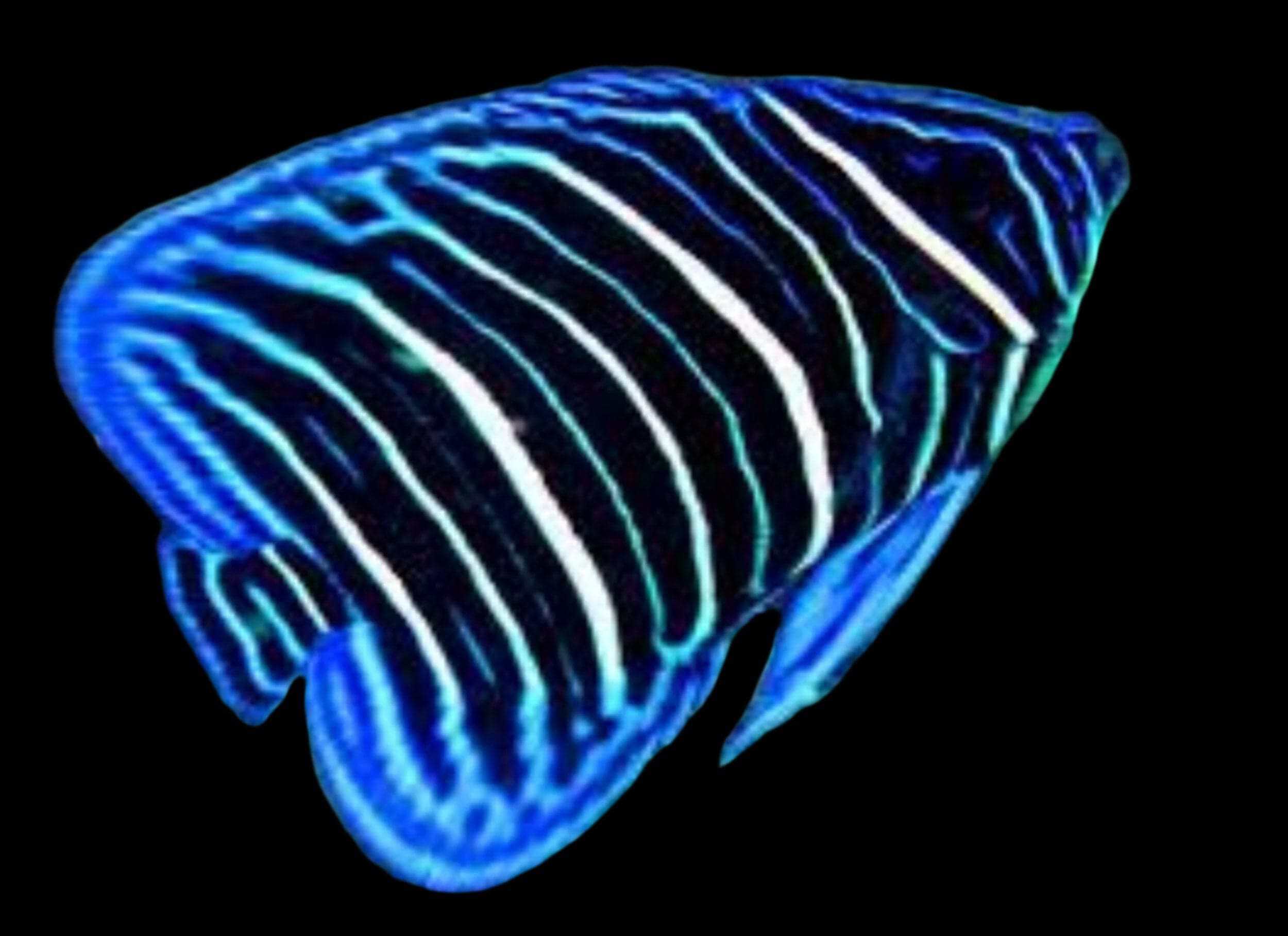
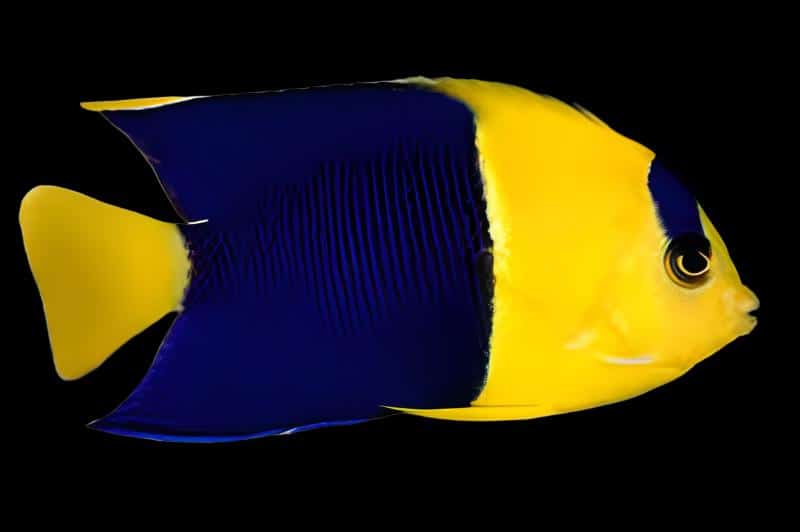
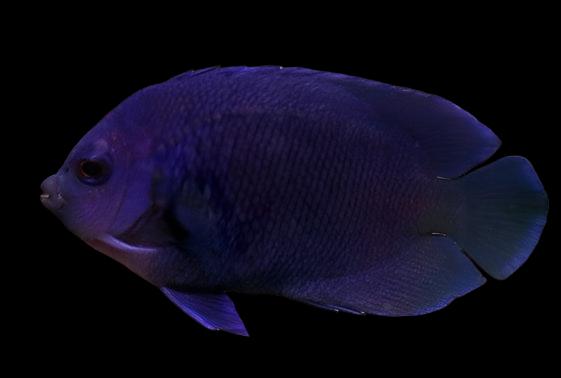
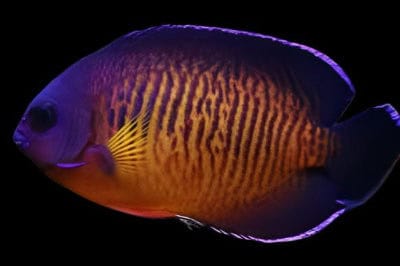
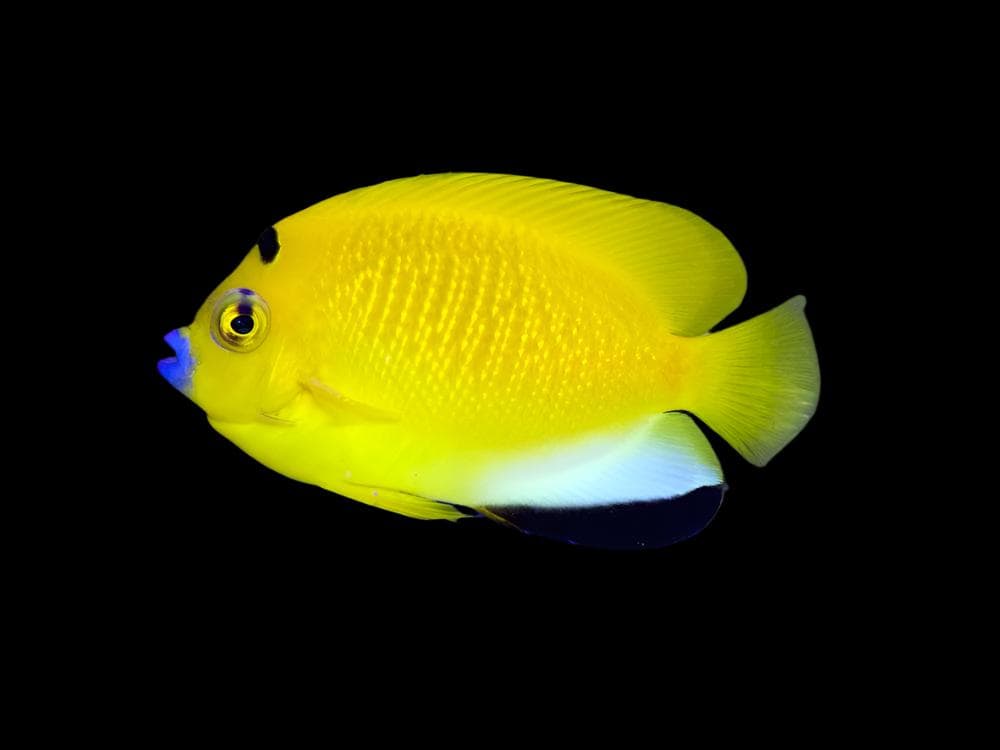
The Half Black Angelfish brings a clean, split-tone look that instantly stands out in a fish setting. It is often referred to as the Pearlscale Angel in the aquarium hobby. One glance explains the name—front half bright and pearled, back half deep black. It moves confidently through the rockwork, often pausing to graze and inspect its surroundings. In a well-structured aquarium, this species adds contrast without overwhelming the tank.
Natural Appearance and Behavior of the Half Black Angelfish
The Half Black Angelfish (Centropyge vroliki) displays a sharp visual divide across its body. The front portion shows lighter tones with subtle patterning, while the rear transitions into a bold black finish. This contrast becomes more defined as the fish matures. Movement stays deliberate. It weaves through rock structures, often returning to the same grazing spots throughout the day. This predictable behavior makes it easier to observe and enjoy in a home aquarium.
Within a broader angelfish selections, this species sits in the dwarf category but still carries a noticeable presence. It adapts well when introduced into a stable system with established rockwork. While not overly aggressive, it does best when given space to establish its own territory early on.
Aquarium Setup for Half Black Angelfish Stability
A minimum of 70 gallons gives this species enough room to establish territory. Rockwork should include:
- caves
- arches
- shaded hiding zones
These features reduce stress and limit aggression.
Stable water conditions matter:
- Temperature: 72–78°F
- pH: 8.1–8.4
- dKH: 8–12
- Specific Gravity: 1.020–1.025
Consistent parameters support long-term health and coloration.
Feeding and Daily Grazing Behavior
The Half Black Angelfish thrives on a mixed diet. It naturally grazes throughout the day, so frequent feeding works best.
Include:
- marine algae and spirulina-based foods
- mysis shrimp
- high-quality omnivore blends
Live rock also plays a role by providing natural grazing surfaces between feedings.
Reef Compatibility and Tank Behavior
This species is reef safe with caution. It may nip at:
- soft coral polyps
- zoanthids
- clam mantles
Behavior varies by individual. Some coexist peacefully, while others show persistent picking behavior.
Temperament leans semi-aggressive. It should not be housed with other dwarf angelfish unless the system is large and carefully structured.
Compatible Tankmates for Half Black Angelfish
These species tend to coexist well when space and hiding areas are available:
- Ocellaris Clownfish (Amphiprion ocellaris)
- Tailspot Blenny (Ecsenius stigmatura)
- Green Chromis (Chromis viridis)
- Queensland Dottyback (Ogilbyina queenslandiae)
Each offers different swimming behavior and territory use, reducing direct competition.
Care Facts and Specifications
- Care Level: Moderate
- Temperament: Semi-Aggressive
- Diet: Omnivore
- Reef Compatibility: With Caution
- Minimum Tank Size: 70 Gallons
- Temperature: 72–78°F
- pH: 8.1–8.4
- dKH: 8–12
- Specific Gravity: 1.020–1.025
- Scientific Name: Centropyge vroliki
For deeper species data and scientific reference, you can explore the Half Black Angelfish profile on FishBase as an additional resource.
Approximate Purchase Sizes
- Small: 1" to 1.75"
- Medium: 1.75" to 2.5"
- Large: 2.5" to 4.5"
Frequently Asked Questions About Half Black Angelfish
Is the Half Black Angelfish reef safe?
It is considered reef safe with caution. Some individuals may nip at corals and invertebrates.
Can multiple dwarf angelfish be kept together?
This is not recommended in smaller systems. Territorial behavior can lead to aggression.
How often should it be fed?
Feed small portions 2–3 times daily, with access to algae or grazing surfaces between meals.
Is it difficult to breed in captivity?
Yes, breeding is rare and challenging in home aquariums.
Reviews
There are no reviews yet.