





Regal Angelfish Yellow Belly Juvenile Pygoplites diacanthus
Out of stock

- Description
- Reviews
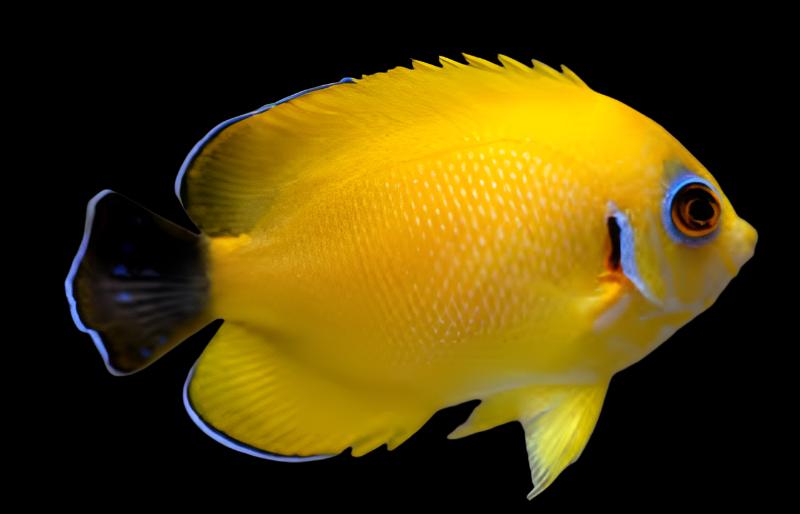
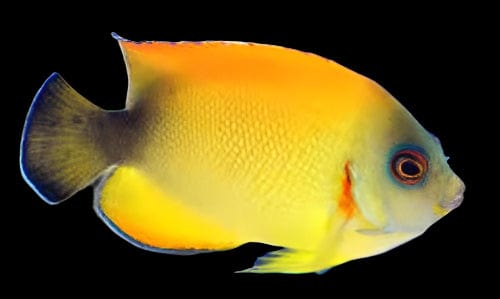
Regal Angelfish Yellow Belly Juvenile – Rare Red Sea Color Variant
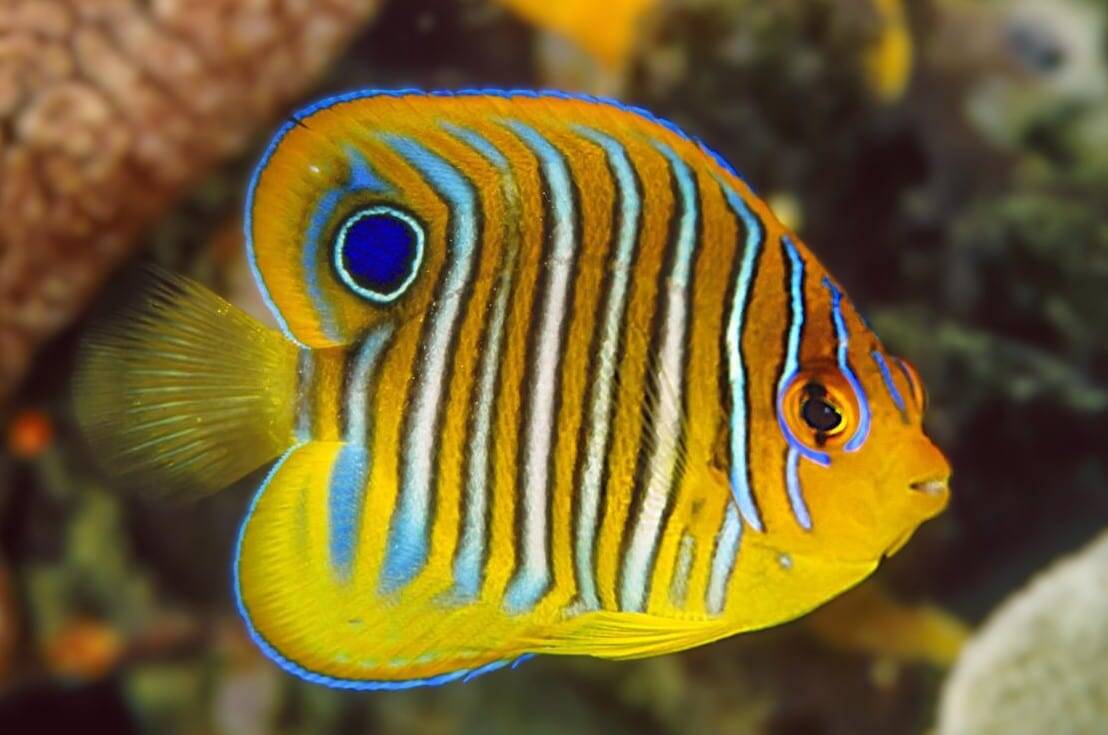
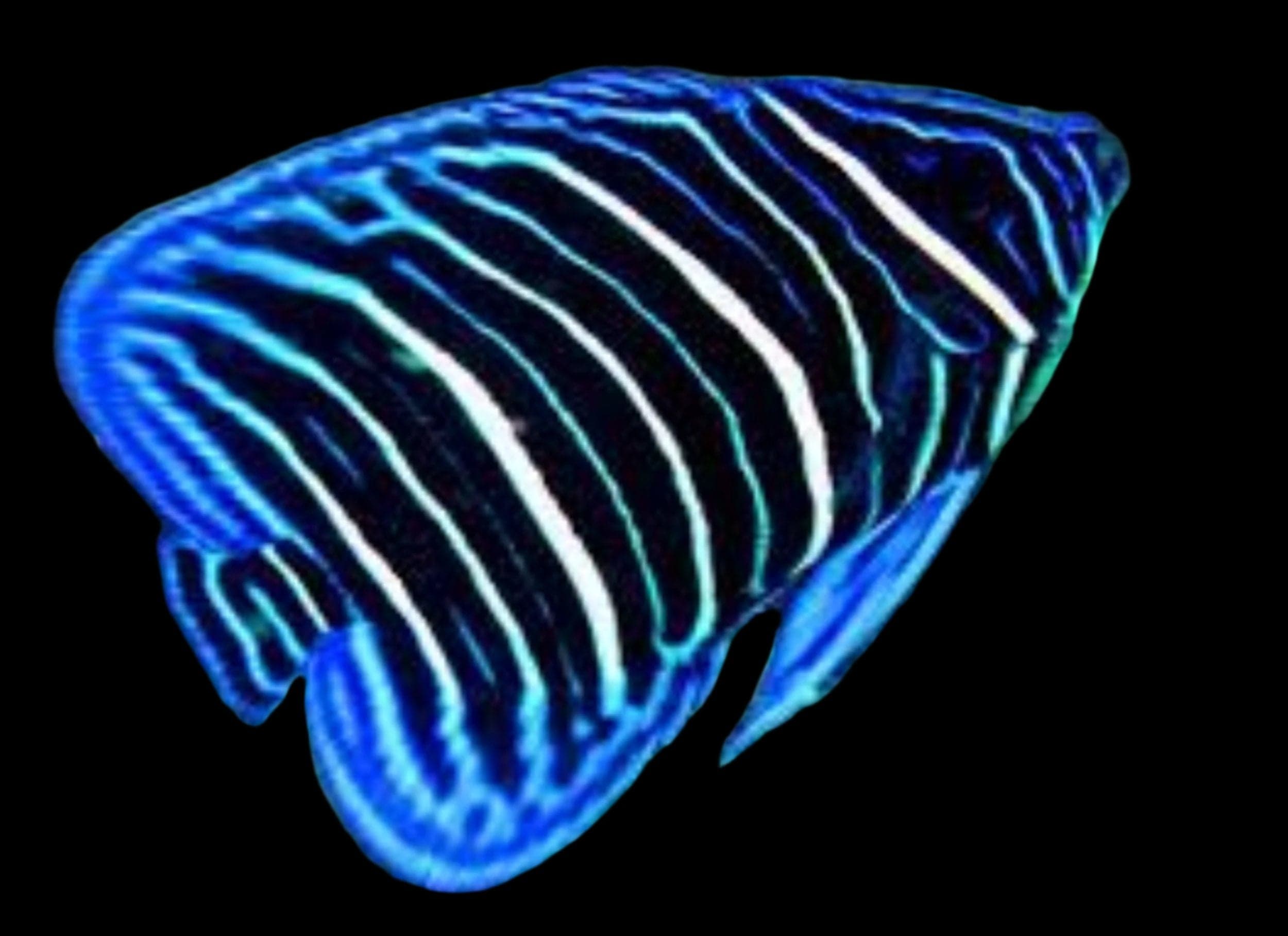
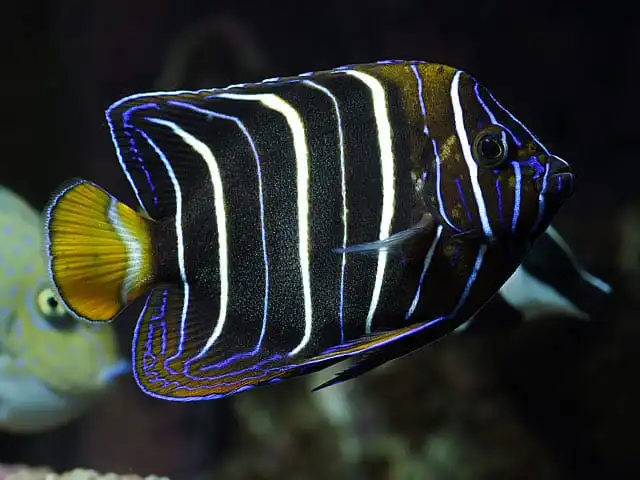
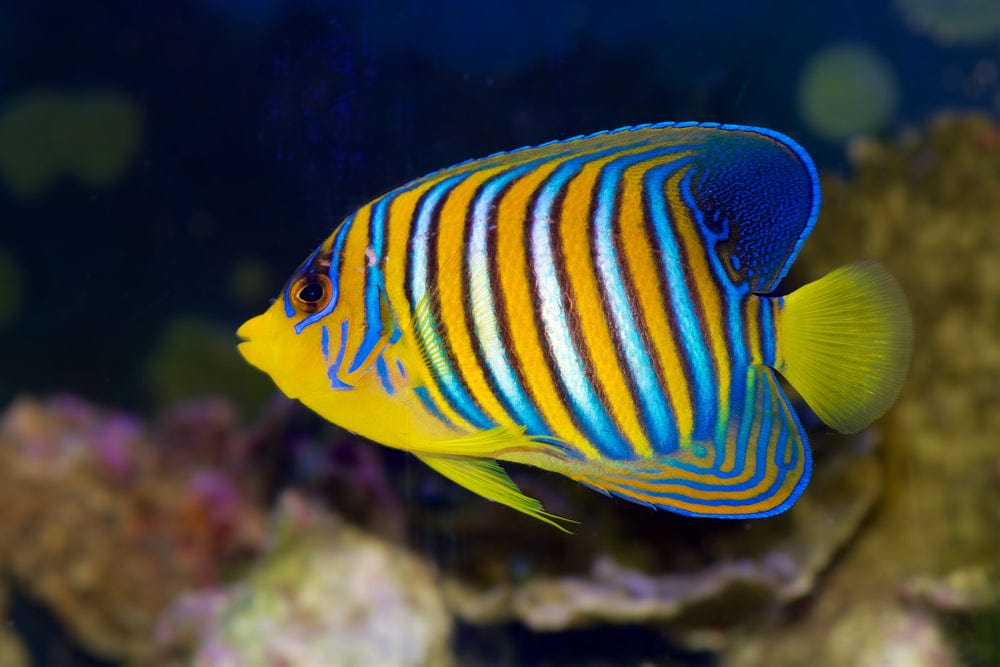
The Regal Angelfish Yellow Belly Juvenile is one of the most recognizable angelfish in the saltwater hobby. Juvenile specimens display bold blue, white, orange, and yellow striping that becomes even more dramatic as the fish matures. Red Sea variants remain especially sought after for their bright yellow belly coloration and greater long-term adaptability in marine aquariums.
Many hobbyists consider the Regal Angelfish a centerpiece species for established marine systems. Juveniles often spend time weaving through rockwork and shaded caves while gradually building confidence within the aquarium. As they acclimate, these fish become much more active throughout the day and develop stronger feeding responses over time.
Why Red Sea Regal Angelfish Are So Popular
The Red Sea yellow belly form stands apart from Indo-Pacific variants because of its vivid yellow-to-orange underside and cleaner facial markings. Many aquarists also report better feeding response and acclimation success from properly handled Red Sea specimens.
Juvenile Regal Angelfish display:
- Bright vertical striping
- Neon blue edging
- Yellow caudal fin coloration
- Flowing dorsal and anal fins
- Distinct juvenile eyespot patterning
As the fish matures, the coloration gradually deepens and becomes more defined under reef lighting.
Regal Angelfish Aquarium Care
The Regal Angelfish requires a mature, stable marine aquarium with ample rockwork and hiding places. This species naturally prefers calm environments where it can graze and retreat comfortably during acclimation periods.
The Regal Angelfish benefits from:
- Mature live rock
- Stable salinity
- Low-stress environments
- Peaceful tankmates
- Dimmer lighting during acclimation
- Multiple feeding opportunities daily
Because this species can be shy initially, established aquariums with natural grazing surfaces tend to produce the best results.
Feeding the Regal Angelfish
The Regal Angelfish is an omnivore that feeds heavily on sponge material and small invertebrates in the wild. Newly acclimating juveniles often do better with smaller, more frequent feedings throughout the day.
Common foods may include:
- Frozen mysis shrimp
- Spirulina brine shrimp
- Marine algae
- Sponge-based angelfish formulas
- Clam and scallop mixtures
- High-quality marine pellets
- Nori sheets
Many aquarists find that stationary foods clipped to rockwork or feeding stations help encourage stronger feeding responses.
Temperament and Reef Compatibility
The Regal Angels is generally considered one of the more reef-compatible larger angel species, though caution is still recommended. Some fish may nip at:
- LPS corals
- Soft corals
- Zoanthids
- Clam mantles
This species typically coexists well with:
- Wrasses
- Tangs
- Anthias
- Blennies
- Basslets
- Peaceful reef fish
Aggressive or highly competitive feeders may stress smaller juvenile specimens during acclimation.
Care Facts & Stats About the Regal Angelfish
- Care Level: Intermediate to Advanced
- Temperament: Docile to semi-aggressive
- Diet Type: Omnivore
- Food Preferences: Mysis and brine shrimp, chopped up clams, scallops, fresh shrimp, swquid, krill, and bloodworms.
- Reef Compatibility: With caution
- Scientific Name: Pygoplites diacanthus
- Family: Pomacanthidae
- Origin: Red Sea
- Maximum Adult Size: Approximately 10 inches
- Minimum Aquarium Size: 125–180 gallons
- Temperature Range: 72–82°F
- Recommended pH: 8.1–8.4
- Specific Gravity: 1.020–1.025
Acclimation Notes for Juvenile Regal Angelfish
Juvenile Regal Angels often acclimate more successfully in peaceful aquariums with established biological maturity. A slower introduction process, lower lighting, and stable feeding routine usually help reduce stress during the first few weeks.
Quarantine and observation are highly recommended before introduction into larger display aquariums.
Approximate Purchase Size
Juvenile Regals may vary in size depending on current availability and regional collection conditions.
Smaller specimens generally adapt more easily to prepared foods and established aquarium routines.
Reviews
There are no reviews yet.