



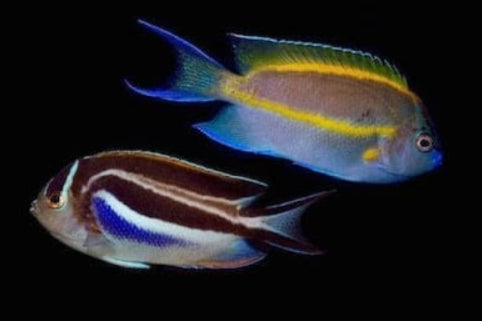
Bellus Angelfish Pair Genicanthus bellus
Out of stock

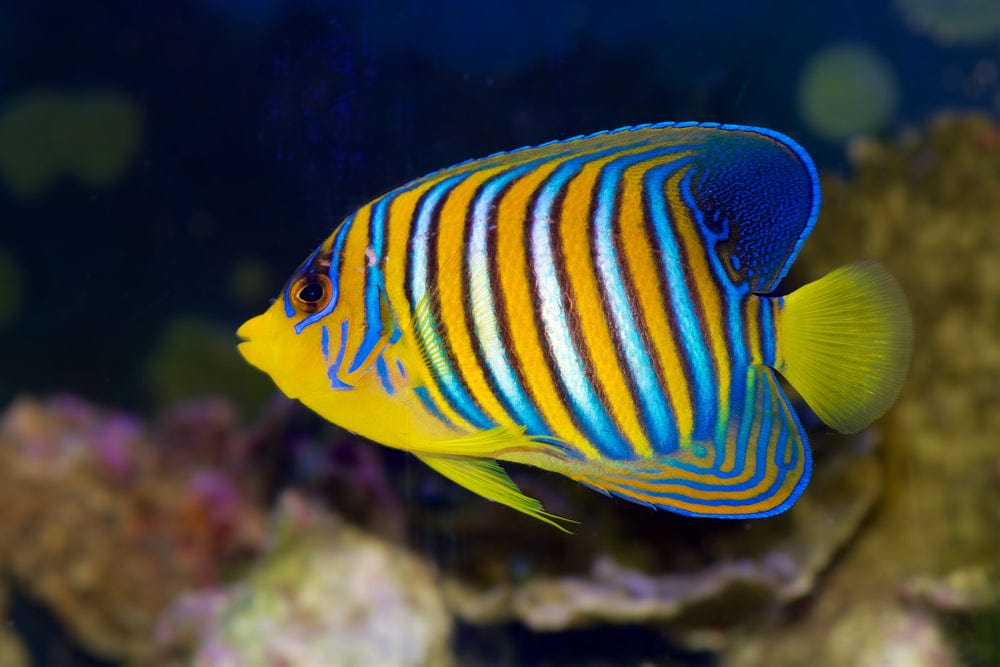
- Description
- Additional Information
- Reviews
Bellus Angelfish Pair Movement and Contrast for Reef Aquariums
A bonded Bellus Angelfish pair brings constant motion and contrast into a saltwater system. This species does not hug rockwork like many angelfish. Instead, it glides through open water with smooth, deliberate movement that draws attention without overwhelming the tank. A mated pair creates a natural dynamic, with both fish interacting and swimming together throughout the day.
As part of the saltwater fish collection, the Bellus Angelfish stands out for reef compatibility and active behavior. Within Angelfish, this species belongs to the Genicanthus group, known for planktonic feeding and reduced coral interaction. That makes this pair a strong fit for reef systems that need movement without risk to coral structure.
Bellus Angelfish Pair Behavior and Tank Setup
This species thrives in established aquariums with open swimming lanes and vertical rock structures. Unlike many angelfish, Bellus Angelfish spend most of their time in midwater rather than hiding. Provide shaded areas early on to support acclimation, especially under strong reef lighting.
A 125-gallon system or larger supports stable pairing behavior and reduces stress. Males should not be housed together. A single male with one female works well, while larger systems can support small harems.
Bellus Angelfish Pair Diet and Feeding Strategy
Bellus Angelfish feed in the water column, not off surfaces. Offer a mix of suspended foods multiple times per day to match natural feeding behavior.
- Enriched mysis shrimp
- Frozen brine shrimp with vitamins
- Finely chopped marine proteins
- Spirulina and marine algae blends
- High-quality angelfish preparations
Frequent feeding helps maintain energy levels and supports long-term health.
Bellus Angelfish Pair Sexual Dimorphism and Color Development
Bellus Angelfish show clear differences between male and female coloration. This adds visual depth and makes the pair more engaging over time.
Juvenile Colors:
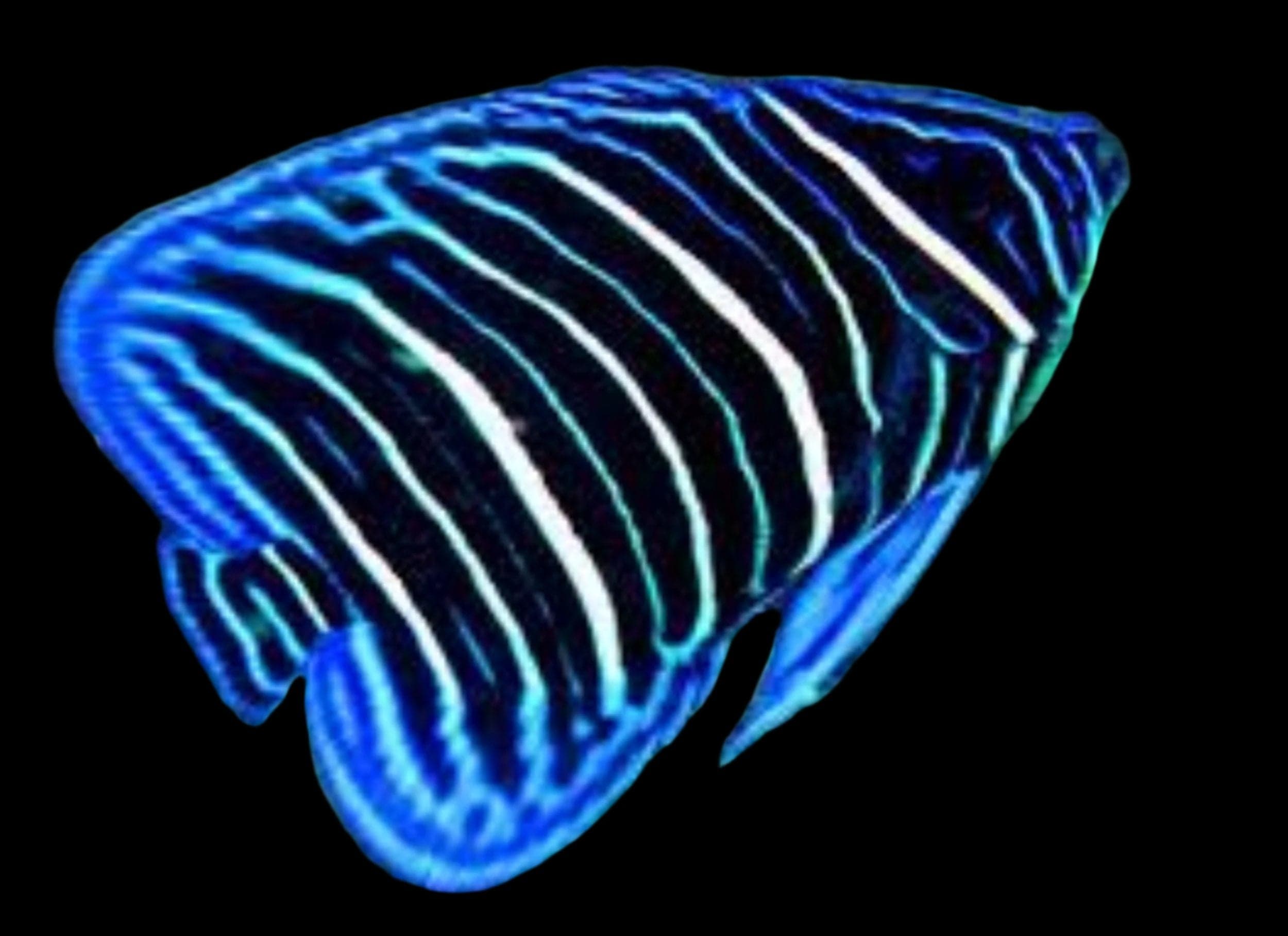
Juveniles display softer silver-blue tones with faint horizontal markings. Pattern contrast develops gradually as they mature.
Adult Colors:
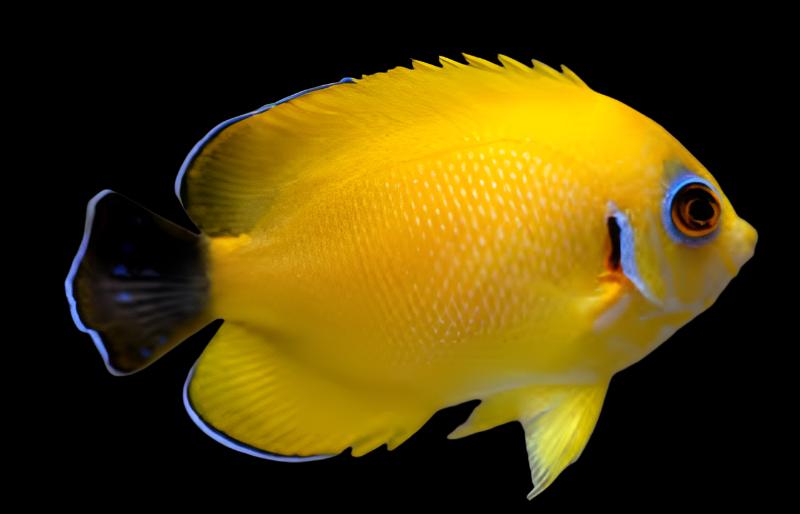
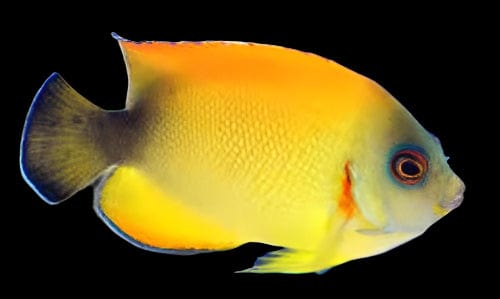
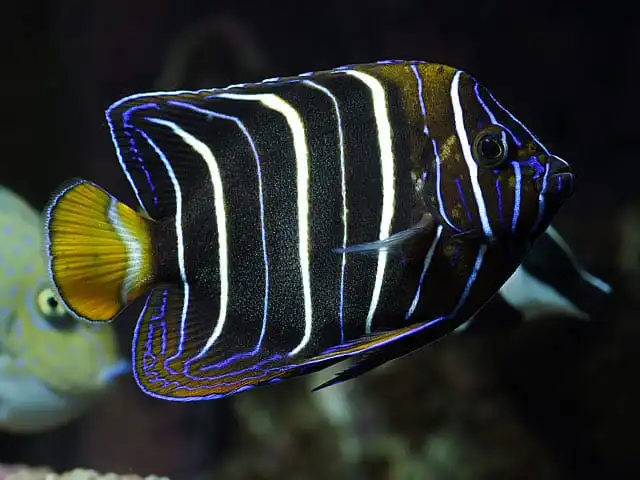
Males develop bold horizontal blue striping with a yellow to orange accent running toward the tail and along the dorsal edge. Females maintain a pale silver-white body with black and blue patterning, finished with a yellow/orange dorsal fin and lateral stripe.
This contrast makes pairs visually balanced and easy to distinguish in mature systems.
Bellus Angelfish Pair Care Facts
- Care Level: Moderate
- Temperament: Peaceful to Semi-Aggressive
- Diet: Omnivore
- Reef Compatible: Yes
- Minimum Tank Size: 125 gallons
- Max Size: 7 inches
- Origin: Indo-Pacific
- Taxonomic Family: Pomacanthidae
- Scientific Name: Genicanthus bellus
Approximate Purchase Size (Pair)
Female Sizes:- Small: Under 1.5 inches
- Small Medium: 1.5 to 2.25 inches
- Medium: 2.25 to 3 inches
- Small Medium: 3 to 3.5 inches
- Medium: 3.5 to 4.25 inches
- Medium Large: 4.25 to 5 inches
Reviews
There are no reviews yet.