



Multicolor Angelfish; Mar. - Centropyge multicolor

- Description
- Additional Information
- Reviews
Multicolor Angelfish; Mar. - Centropyge multicolor
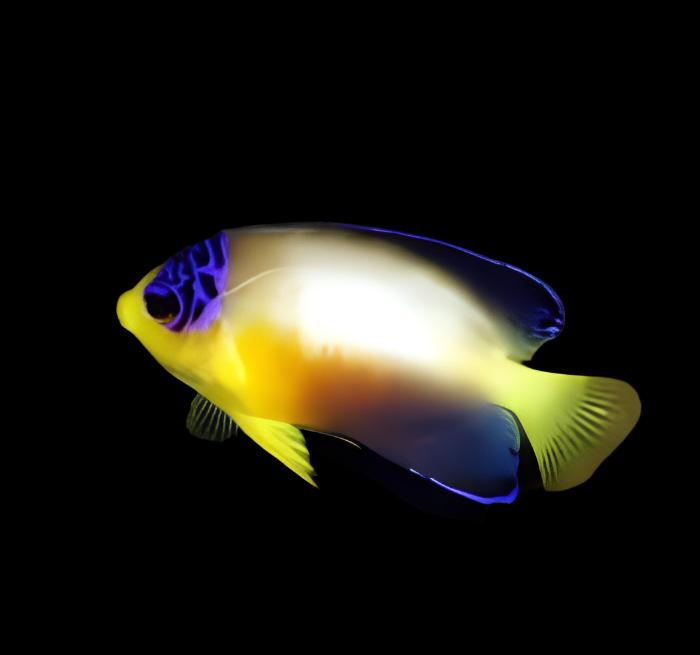
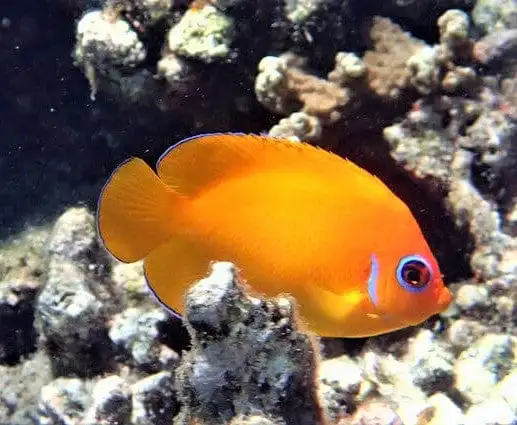
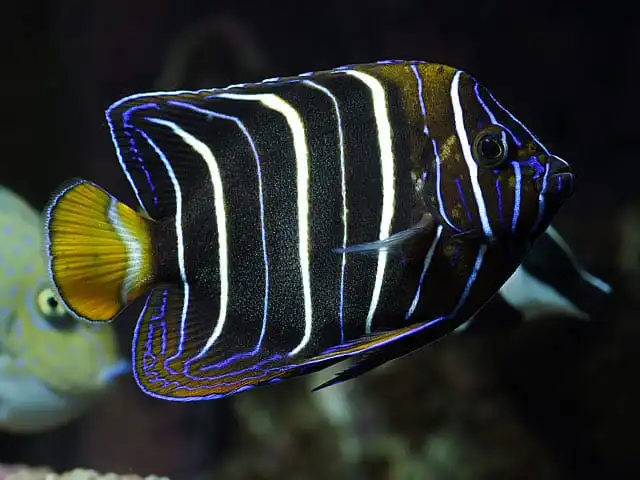
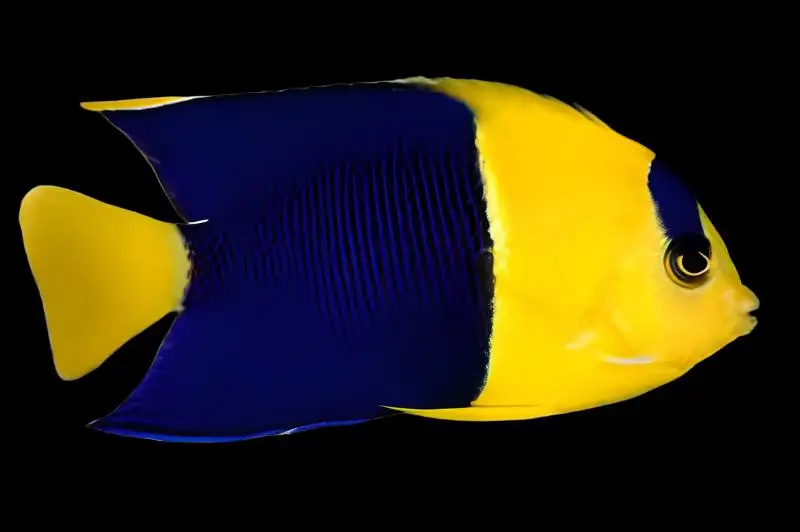
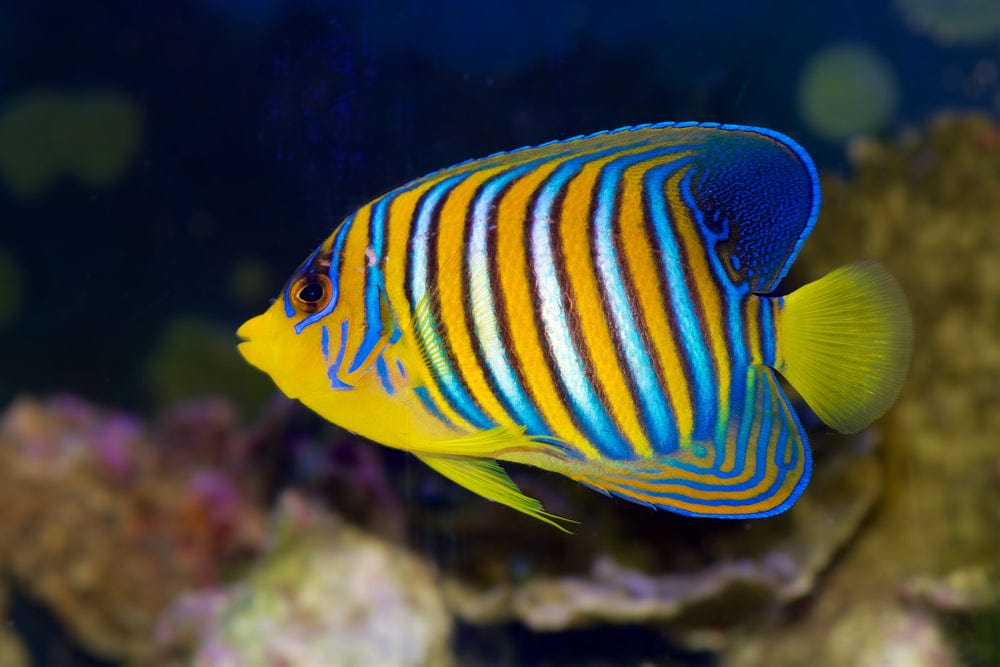
The Multicolor Angelfish displays a pale peach-to-yellow body that immediately draws attention. In front of the eye, you will notice black speckles over a blue field. Meanwhile, the dorsal and anal fins appear blue-black, the tail glows yellow, and an asymmetrical ribbon of silvery white runs from mid-body to the caudal fin. Because this species thrives on browsing, you should provide abundant live rock and multiple hiding spots to support natural grazing and reduce stress.
Although the fish looks stunning under subdued light, it still benefits from stable water quality and steady flow. However, it often nips soft and stony corals, clam mantles, and other sessile invertebrates, so you should avoid reef placements. Additionally, do not expose this species to copper-based medications, since it responds poorly to them.
Multicolor Angelfish Behavior and Tankmates
The Multicolor Angelfish prefers dimmer zones and spends much of the day weaving through crevices. Because territory matters, introduce it thoughtfully. If you plan to keep more than one dwarf angel, set up separate areas with clear boundaries and ample rockwork. With careful selection, you can pair it with peaceful fish that do not resemble it in shape or color. Even then, monitor interactions during the first week and intervene if chasing intensifies.
Diet and Nutrition
In the wild, Centropyge multicolor grazes primarily on benthic algae and weeds while also picking at zoobenthos such as coral polyps, sponges, ascidians, and tunicates. In captivity, you can meet its needs with a varied, algae-forward plan. For example, rotate Spirulina pellets, marine algae sheets, high-quality angelfish blends, mysis, and finely chopped marine meats. Feed small portions two to three times daily, and encourage natural grazing by maintaining clean, mature live rock.
Habitat and Origin of the Multicolor Angelfish
This species ranges widely across the Central Pacific. You will encounter populations around the Marshall Islands, Marianas, Palau, Society Islands, Fiji, Cook Islands, and the Hawaiian Islands. Because it adapts best in mature aquariums, prioritize stable parameters and established rock surfaces before introducing your Multicolor Angelfish.
Quick Care Notes
-
Provide abundant live rock for shelter and grazing.
-
Use moderate flow and slightly dim lighting to match natural behavior.
-
Avoid reef setups, since the fish often nips corals and clams.
-
Do not treat with copper-based medications.
-
If mixing with other dwarf angels, segment territories and observe closely.
Expand Your Community
Add variety from every fish category. Browse companion angels under more angelfish selections.Reef Ideas & Inspiration
- Browse looks on Instagram Grid
- Save ideas from Facebook Posts
- Learn quick on TikTok How-Tos
- Get feedback on Reef2Reef Journals
Reviews
There are no reviews yet.