



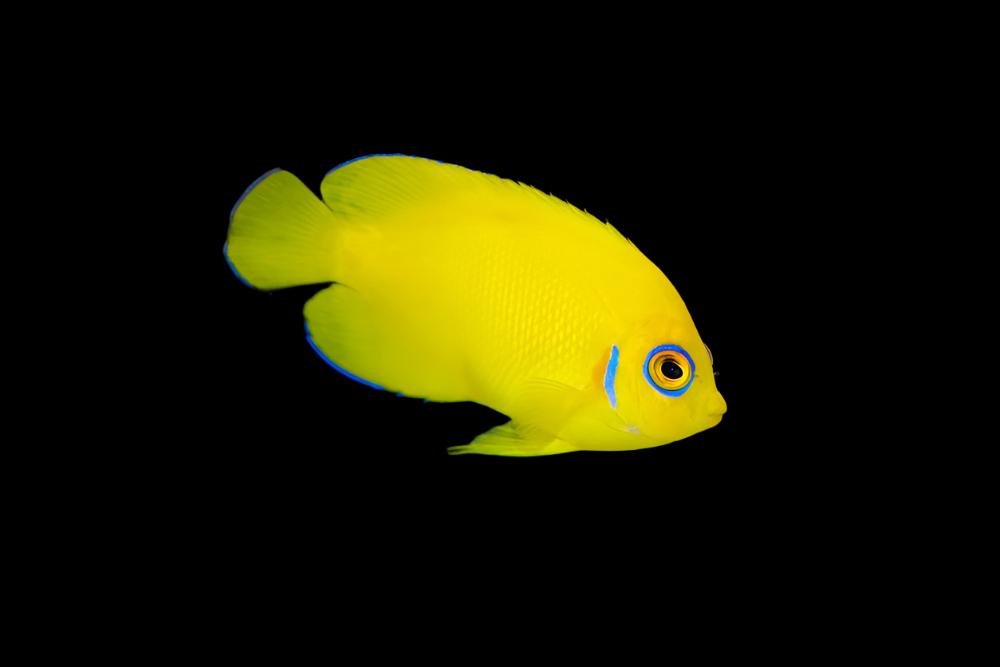

Lemonpeel Angelfish Centropyge flavissima
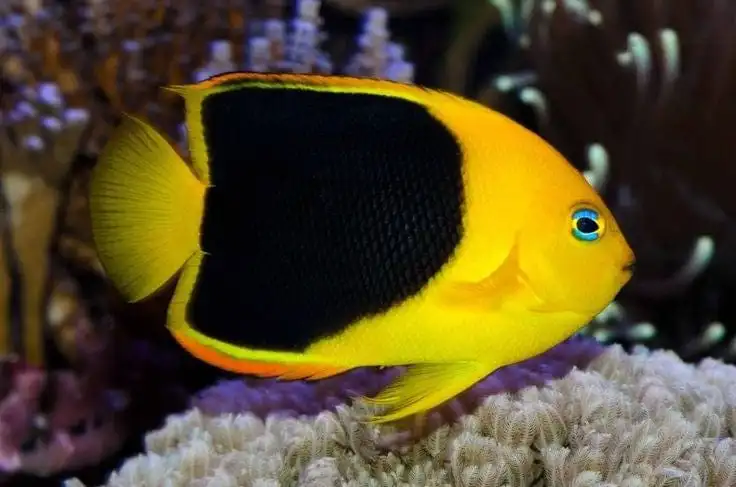
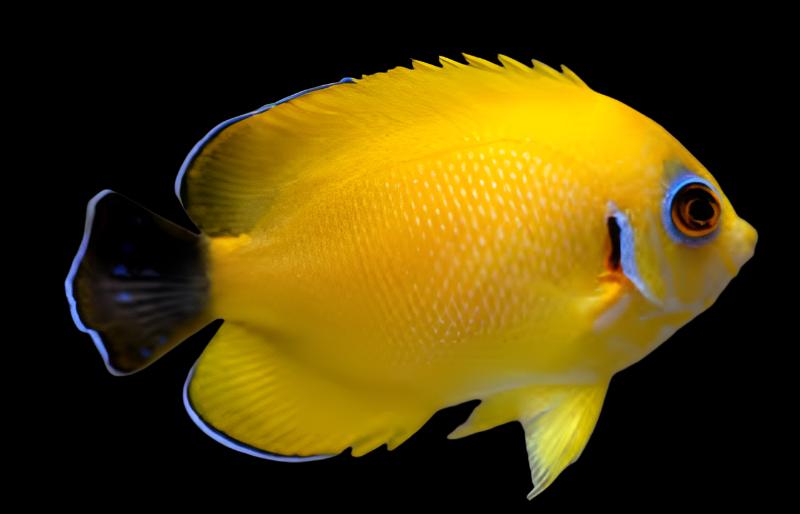
Price range: $150.73 through $157.48
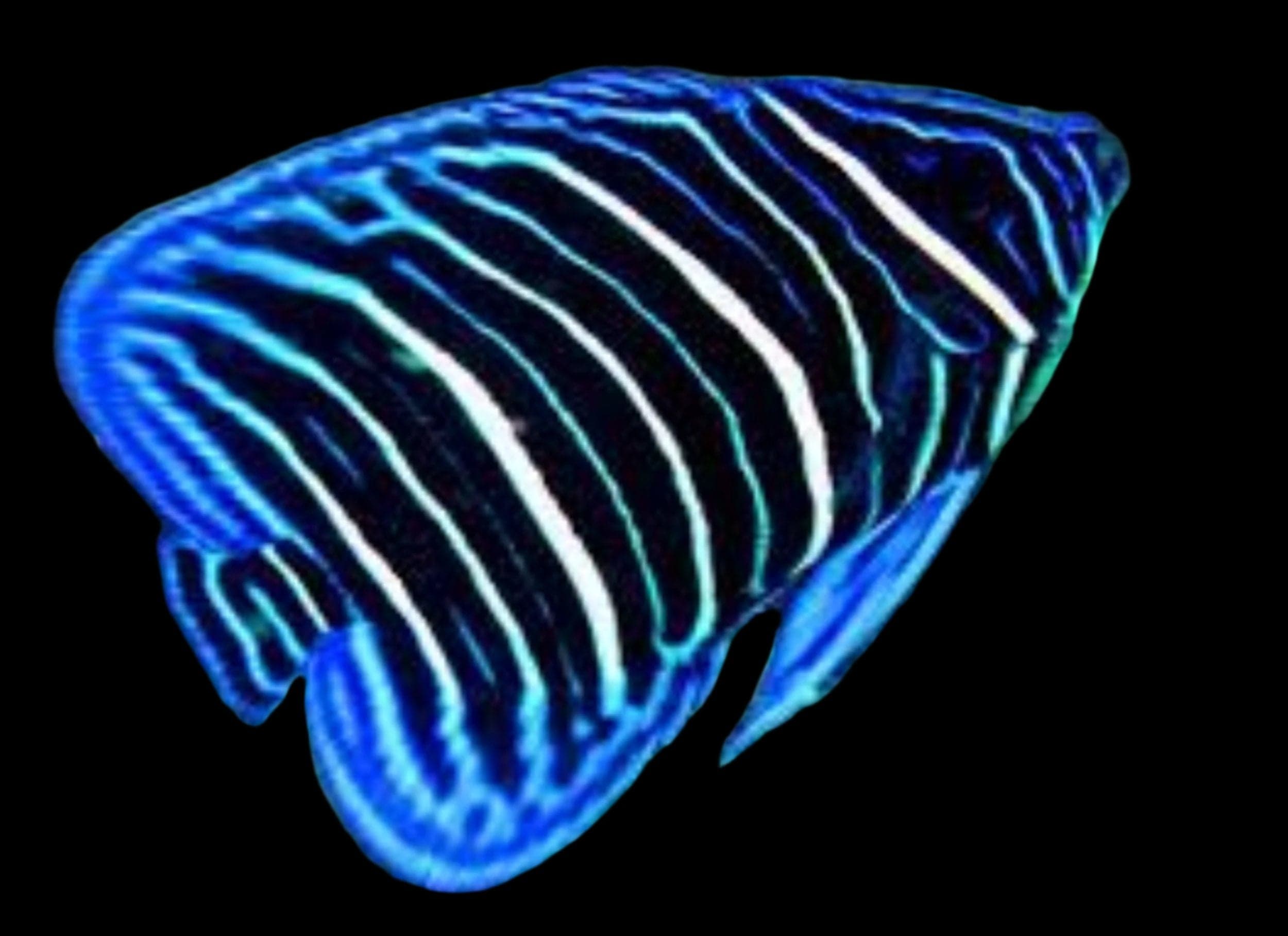
Price range: $96.73 through $105.73
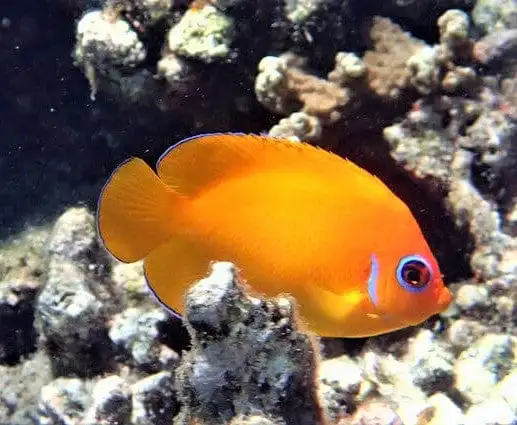
Price range: $164.23 through $177.73
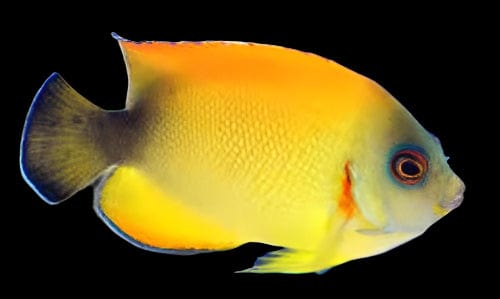
Price range: $110.23 through $125.98


- Description
- Additional Information
- Reviews
Lemonpeel Angelfish – Bright Color, Bold Personality, and Tank Favorite
The Lemonpeel Angelfish brings immediate color to a saltwater setup. Its solid yellow body stands out even in heavily stocked systems, while subtle blue accents around the face and fins add contrast under reef lighting. It doesn’t fade into the background—this fish stays visible and active throughout the day.
Explore more species like this in our Saltwater Fish collection, where color, movement, and behavior all play a role in building a complete display. The Lemonpeel fits best in systems designed around structure and flow, not delicate coral layouts.
Where the Lemonpeel Angelfish Fits in Your Tank
Among the Angelfish selections, the Lemonpeel sits in the dwarf category but still carries attitude. It establishes territory quickly and holds it. That makes placement important—introduce it after peaceful fish, but before highly aggressive species.
This fish spends most of its time weaving through rockwork, grazing surfaces, and checking boundaries. It stays busy, which adds movement to the tank without constant aggression.
Natural Habitat and Behavior
In the wild, this species comes from Indo-Pacific reef systems filled with coral heads, rock ledges, and algae growth. It naturally grazes throughout the day, picking at surfaces rather than chasing food in open water.
That behavior translates directly into captivity. Tanks with established rock and natural growth give the Lemonpeel Angelfish something to do between feedings, which helps reduce stress and unwanted behavior.
Diet and Feeding Strategy
A strong feeding routine keeps this species in good condition and reduces the chance of coral nipping.
Feed a mix of:
- Marine algae and spirulina-based foods
- Mysis shrimp and enriched brine shrimp
- Angelfish preparations with sponge content
- High-quality pellets for consistency
Feed two to three times daily in smaller portions. Regular feeding helps maintain color and reduces territorial tension.
Reef Compatibility and Realistic Expectations
The Lemonpeel Angelfish is not reef safe. It will nip at corals, clam mantles, and other invertebrates over time.
Fish-only systems or carefully planned mixed tanks work best. If placed in a reef tank, expect some level of interaction with coral tissue—this isn’t a “set it and forget it” species.
Lemonpeel Angelfish Care Profile
- Scientific Name: Centropyge flavissima
- Family: Pomacanthidae
- Care Level: Moderate
- Temperament: Semi-Aggressive
- Diet: Omnivore
- Reef Safe: No
- Minimum Tank Size: 70 gallons
- Max Size: 5 inches
Water Parameters:
- Temperature: 72°F – 78°F
- pH: 8.1 – 8.4
- dKH: 8 – 12
- Water Density (Specific Gravity): 1.023 – 1.025
Compatible Tankmates
When planned correctly, the Lemonpeel Angelfish works well with a range of saltwater species that won’t challenge its territory directly:
- Springeri Psuedochromis (Psuedohromis springeri)
- Ruby Red Cardinalfish (Apogon coccineus)
- Forktail Blenny (Meicanthus atrodorsalis)
- Coral Beauty Angelfish (Centropyge bispinosa)
These fish occupy different zones of the tank, which helps reduce overlap and conflict.
Scientific Reference and Species Insight
For a deeper look into feeding habits, distribution, and recorded observations, review its journal and profile on FishBase. The Data there shows life cycles, mating behavior, biology, and more.
FAQ About the Lemonpeel Angelfish
Is the Lemonpeel Angelfish aggressive?
It can be territorial, especially toward similar fish, but usually coexists well with non-competing species.
Can it live in a reef tank?
Not reliably. It often nips at corals and invertebrates.
How often should it be fed?
Two to three times daily with a mix of algae and protein-based foods.
Does it need live rock?
Yes. Rockwork supports grazing behavior and provides structure for territory.
What makes it a popular choice?
Its bright yellow color and constant activity make it one of the more visible dwarf angelfish.
Reviews
There are no reviews yet.