



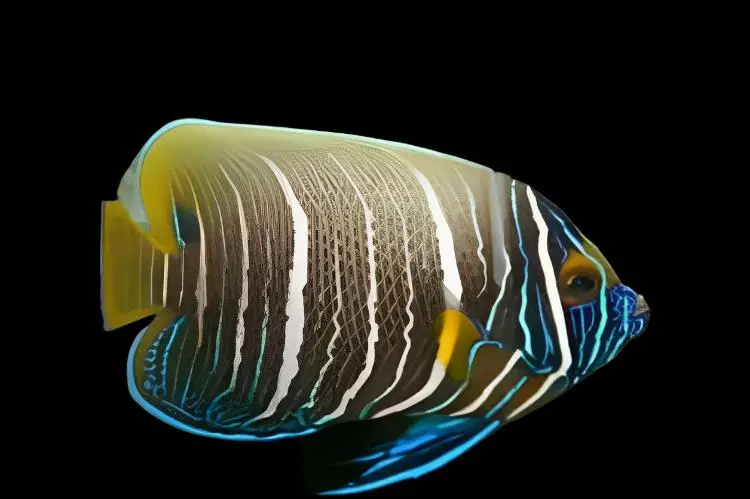
Blueface Angelfish: Changing - Pomacanthus xanthometopon
$314.98
Select Variant
The Blueface Angelfish stands out with electric facial markings, deep golden scales, and bold presence, making it a prized centerpiece for advanced marine tanks. Perfect for hobbyists with spacious systems, this species thrives on steady feeding, mature live rock, and stable water parameters to maintain health and color.
Related Products
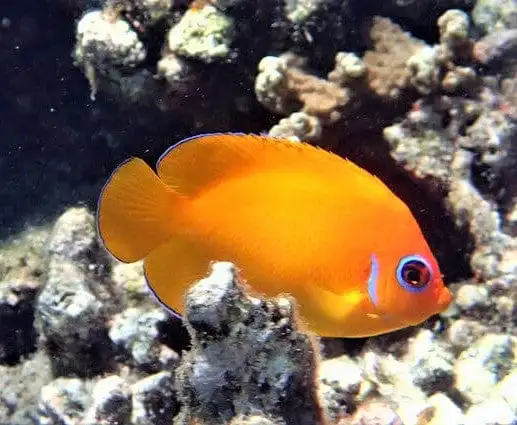
Price range: $177.73 through $186.73

Price range: $49.48 through $65.23
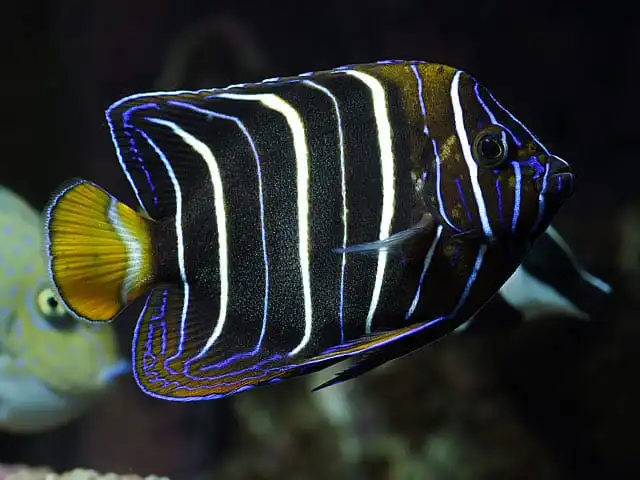
Price range: $596.23 through $652.48
Price range: $87.73 through $94.48
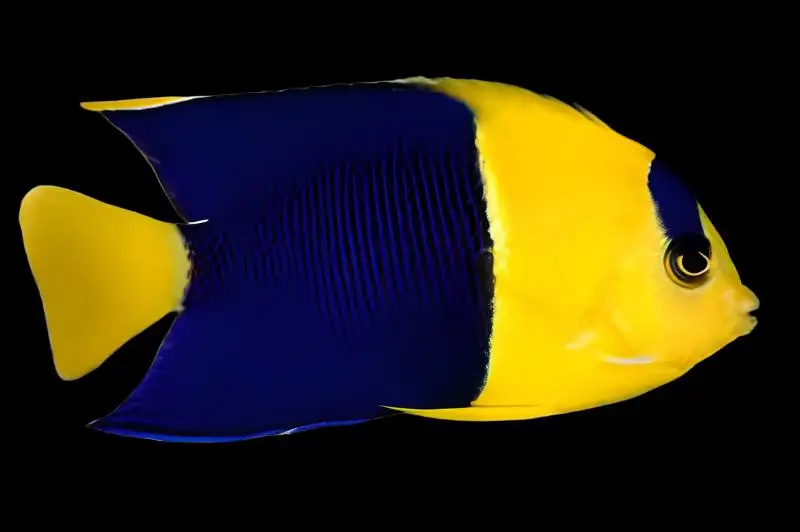
Price range: $60.73 through $83.23
Price range: $393.73 through $494.98
- Description
- Additional Information
- Reviews
Blueface Angelfish Overview
The Blueface Angelfish (Pomacanthus xanthometopon), also known as the Yellowface or Yellowmask Angelfish, is a striking species of marine fish. This guide provides detailed information about its appearance, diet, and habitat requirements.Blueface Angelfish Appearance
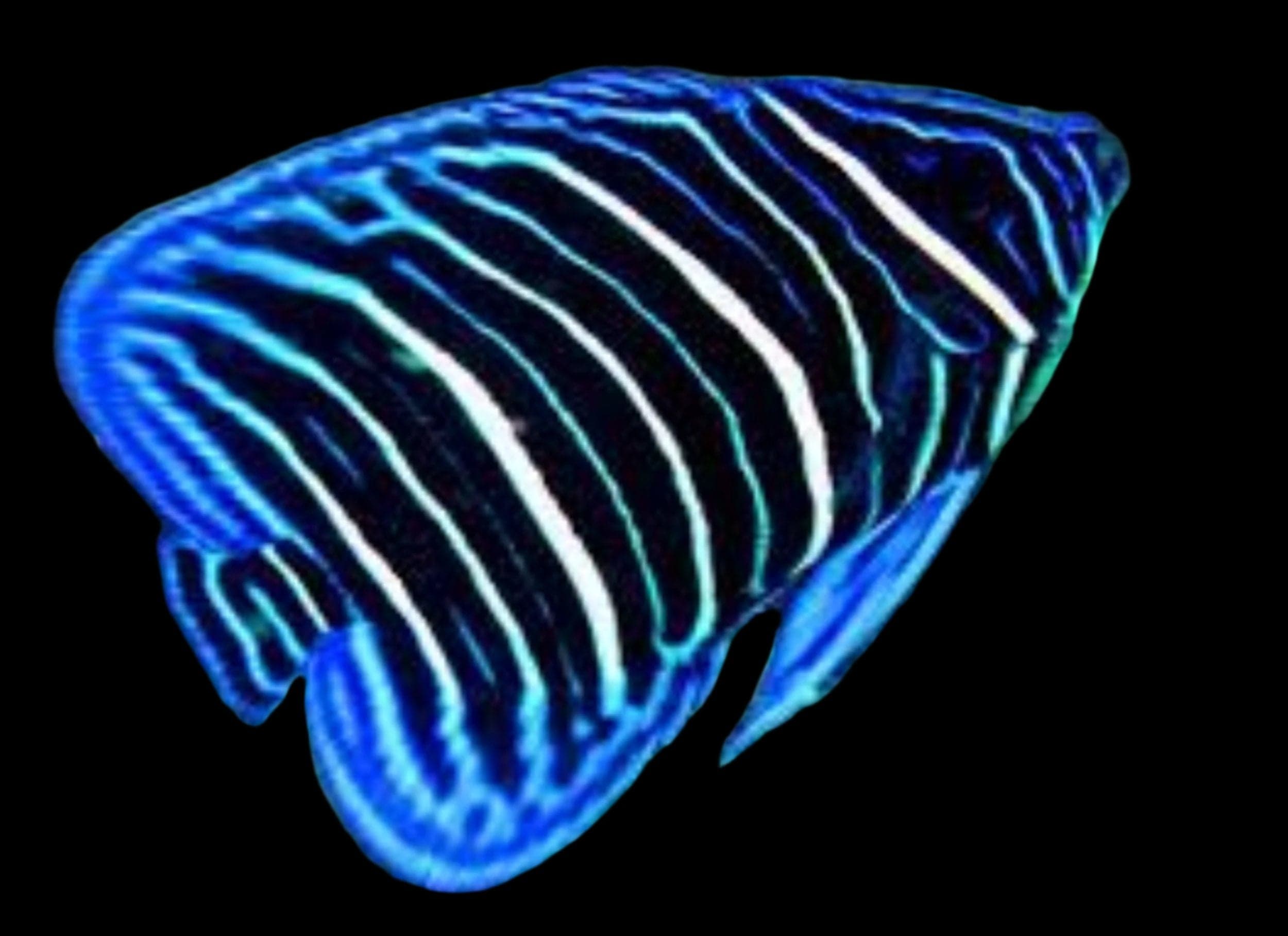
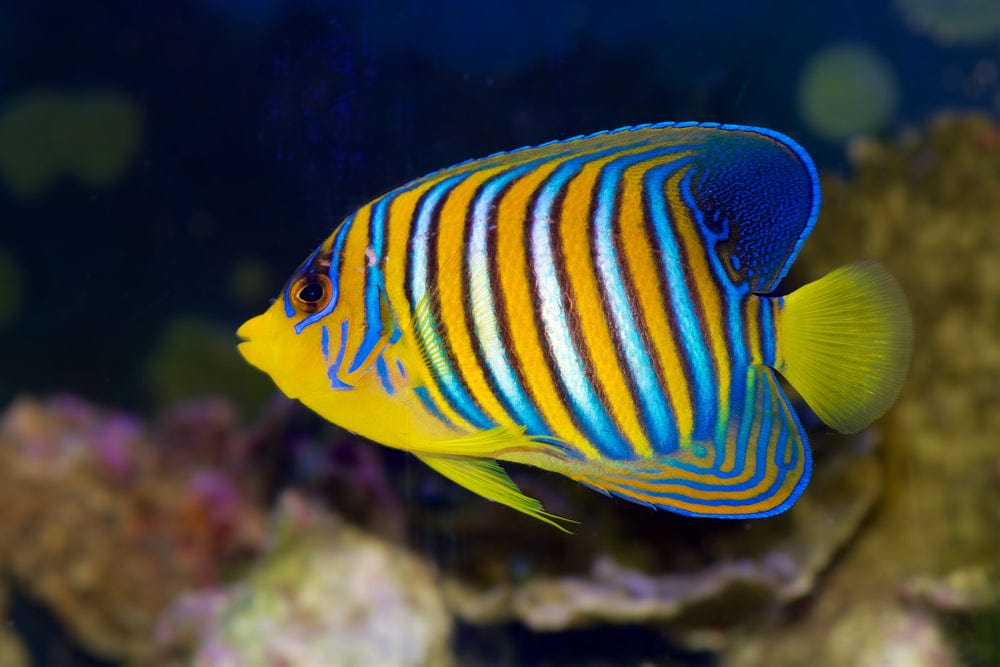
Juvenile Blueface Angelfish
-
- Coloration: Alternating vertical stripes of black, white, and sapphire blue cover the body.
-
- Size: Juveniles range from 1" to 2".
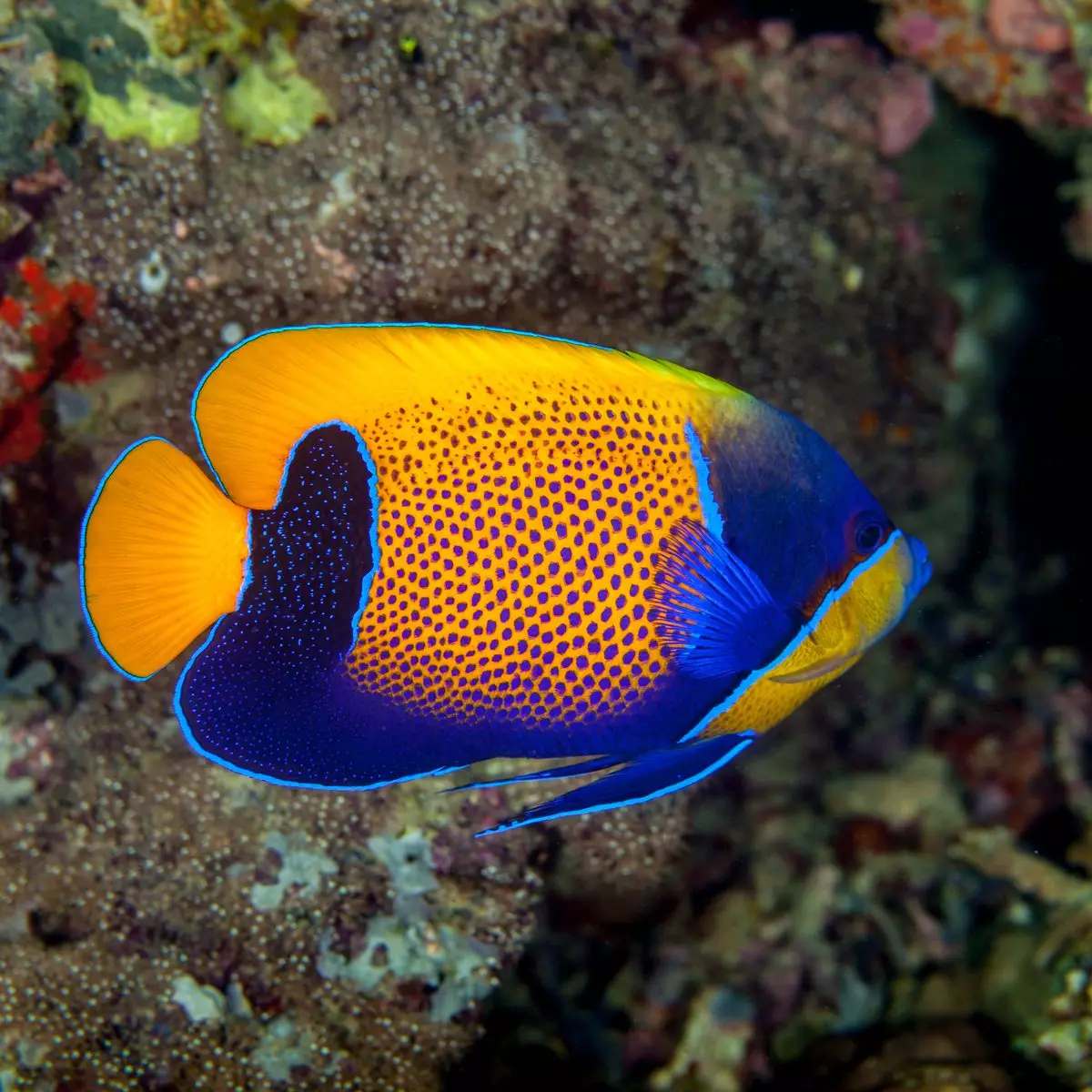
Adult Blueface
-
- Coloration: Pale yellow body with bluish scales and a bright yellow pectoral fin. The face is mottled blue with a yellow mask extending from eye to eye. An eyespot is present at the caudal end of the dorsal fin.
-
- Size Categories:
-
- Juvenile Small: 1" to 2"
-
- Juvenile Medium: 2" to 3-1/2"
-
- Juvenile Large: 3-1/2" to 4-1/2"
-
- Sub Adult Small: 1" to 2"
-
- Sub Adult Medium: 2" to 4"
-
- Sub Adult Large: 4" to 6"
-
- Adult Small: 1-1/2" to 2-1/4"
-
- Small/Medium: 2-1/4" to 3-1/4"
-
- Medium: 3-1/4" to 4-1/4"
-
- Medium/Large: 4-1/4" to 5-1/4"
-
- Large: 5-1/4" to 6-1/4"
-
- XLarge: 6-1/4" to 7-1/2"
-
- Size Categories:
Blueface Angelfish Habitat Requirements
Tank Size and Environment
-
- Ideal Tank Size: A minimum of 220 gallons with numerous hiding places and plenty of live rock for grazing.
-
- Tank Mates: Best kept as the sole angelfish due to its tendency to become territorial, especially when it's the largest fish in the tank.
-
- Reef Compatibility: Not suitable for reef tanks, as it tends to nip at stony and soft corals (sessile invertebrates) and clam mantles.
Blueface Angelfish Diet and Nutrition
Feeding in the Wild
-
- Natural Diet: Tunicates and sponges, algae, and other encrusting organisms.
Tank Feeding
-
- Diet:
-
- Spirulina
-
- Marine algae
-
- High-quality angelfish preparations
-
- Mysis or frozen shrimp
-
- Chopped squid or scallops
-
- Meaty foods like shrimp
-
- Diet:
-
- Feeding Frequency: At least three times daily.
Unique Behavior of the Blueface
-
- Communication: Blueface angelfish communicate with grunts, which divers can hear. They use these sounds to defend their territories from other angelfish.
Origin of the Blueface
\n\nThe Blueface Angelfish inhabits the eastern tropical Indo-Pacific region. Its range includes:\n\n-
- The Maldive Islands
-
- Malaysia
-
- Indonesia
-
- Japan
-
- Taiwan
-
- The Philippines
-
- Northern Australia
-
- Micronesia
Build a Healthy Marine Community
- See tankmates in our complete fish department.
- Find matching angels here: view this species catalog.
- Stock feeding staples from dry marine foods.
- Monitor stability with aquarium testing kits.
Follow Our Latest Stock
- See arrivals on Instagram Reels
- News & promos on Facebook Posts
- Bite-size guides on TikTok Shorts
- Longform advice on Reef2Reef Topics
Size
S | SM | M | ML | L
Weight
lbs
Dimensions
N/A
Reviews
There are no reviews yet.