


Unicorn Tang Naso unicornis
The Unicorn Tang features a long, streamlined body that develops a distinctive horn as it matures. Its steady swimming pattern and natural coloration make it a standout in bigger marine environments.
- Description
- Additional Information
- Reviews
Unicorn Tang Care, Behavior, and Aquarium Requirements
The Unicorn Tang brings a calm, powerful presence to large marine systems, defined by its long body and steady cruising behavior. Juveniles appear simple at first, but over time they develop into a much more commanding fish, especially as their profile lengthens and features sharpen. Within a well-established fish system, this species stands out for its size, movement, and long-term growth rather than bright coloration alone.
Unicorn Tang Appearance and Growth Over Time
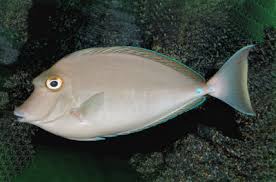
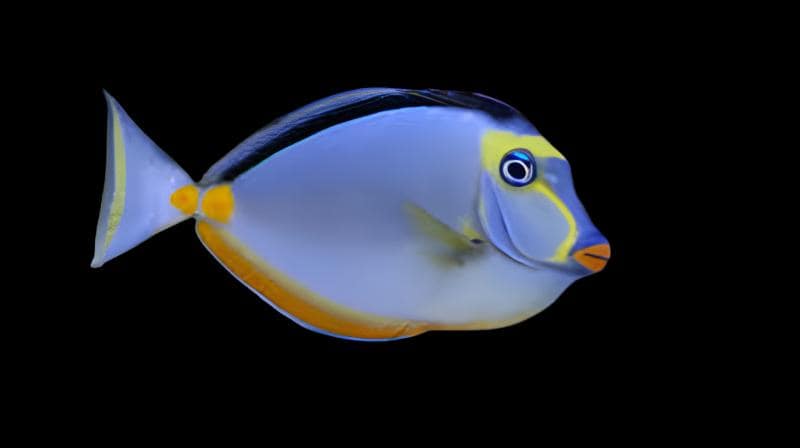
Among Tangs, the Unicorn Tang is recognized for its unique transformation as it matures. Adults develop the signature horn-like projection on the forehead, while their coloration settles into a smooth blend of grey, tan, and muted blue tones with subtle accents along the tail.
This species undergoes noticeable changes as it matures, both in its structure and in its presence.
- Juveniles lack the horn and display smoother facial features
- Adults develop a forward-facing horn-like projection
- Body coloration ranges from tan and grey to muted blue tones
- Tail edges often show soft yellow or orange accents
As it grows, the fish becomes more elongated and powerful, with a more commanding look.
Behavior and Tank Compatibility
The Unicorn Tang is generally peaceful but requires space to avoid stress or territorial issues.
- Calm temperament compared to many tang species
- May show mild aggression toward other tangs in tight spaces
- Constant swimmer that prefers open water
- Benefits from being introduced into larger, established systems
Compatible tankmates may include:
- Yellow Foxface (Siganus vulpinus)
- Cleaner Wrasse (Labroides dimidiatus)
- Green Chromis (Chromis viridis)
Avoid overcrowding with multiple large tangs unless the system is oversized.
Feeding and Nutritional Needs
The Unicorn Tang relies heavily on plant-based nutrition and consistent feeding.
- Primary diet of marine algae and seaweed
- Daily nori sheets or macroalgae
- Spirulina-based pellets and herbivore blends
- Occasional protein foods like mysis for variety
Frequent feeding supports growth and reduces stress-related issues.
Aquarium Setup and Environment for the Unicorn Tang
This species requires a large, stable system to thrive long-term.
- Minimum tank size of 360 gallons
- Extensive open swimming space
- Strong water flow and oxygenation
- Mature live rock for grazing
Stability is critical. Sudden parameter changes can cause stress quickly.
Care Stats and Facts
- Care Level: Advanced
- Temperament: Peaceful (can be territorial with other tangs)
- Diet: Herbivore
- Reef Compatible: Yes
- Water Temperature: 75–82°F
- Specific Gravity: 1.023–1.026
- pH Range: 8.1–8.4
- Max Size: Up to 20 inches
- Family: Acanthuridae
- Minimum Tank Size: 360 gallons
Species Reference and Additional Reading
For detailed biological data and habitat information, refer to FishBase.
Frequently Asked Questions About Unicorn Tang
How big does a Unicorn Tang get?
It can grow up to 20 inches, making it one of the larger tang species in the hobby.
When does the horn develop?
The horn begins forming as the fish matures into adulthood.
Is the Unicorn Tang reef safe?
Yes, it is considered reef safe and primarily feeds on algae.
Can it live with other tangs?
Yes, but only in very large aquariums with enough space to reduce territorial behavior.
What is the biggest challenge with this species?
Providing enough swimming space and maintaining stable water conditions long-term.
Reviews
There are no reviews yet.