


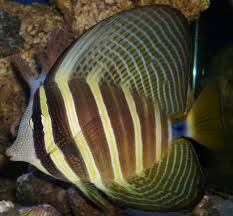
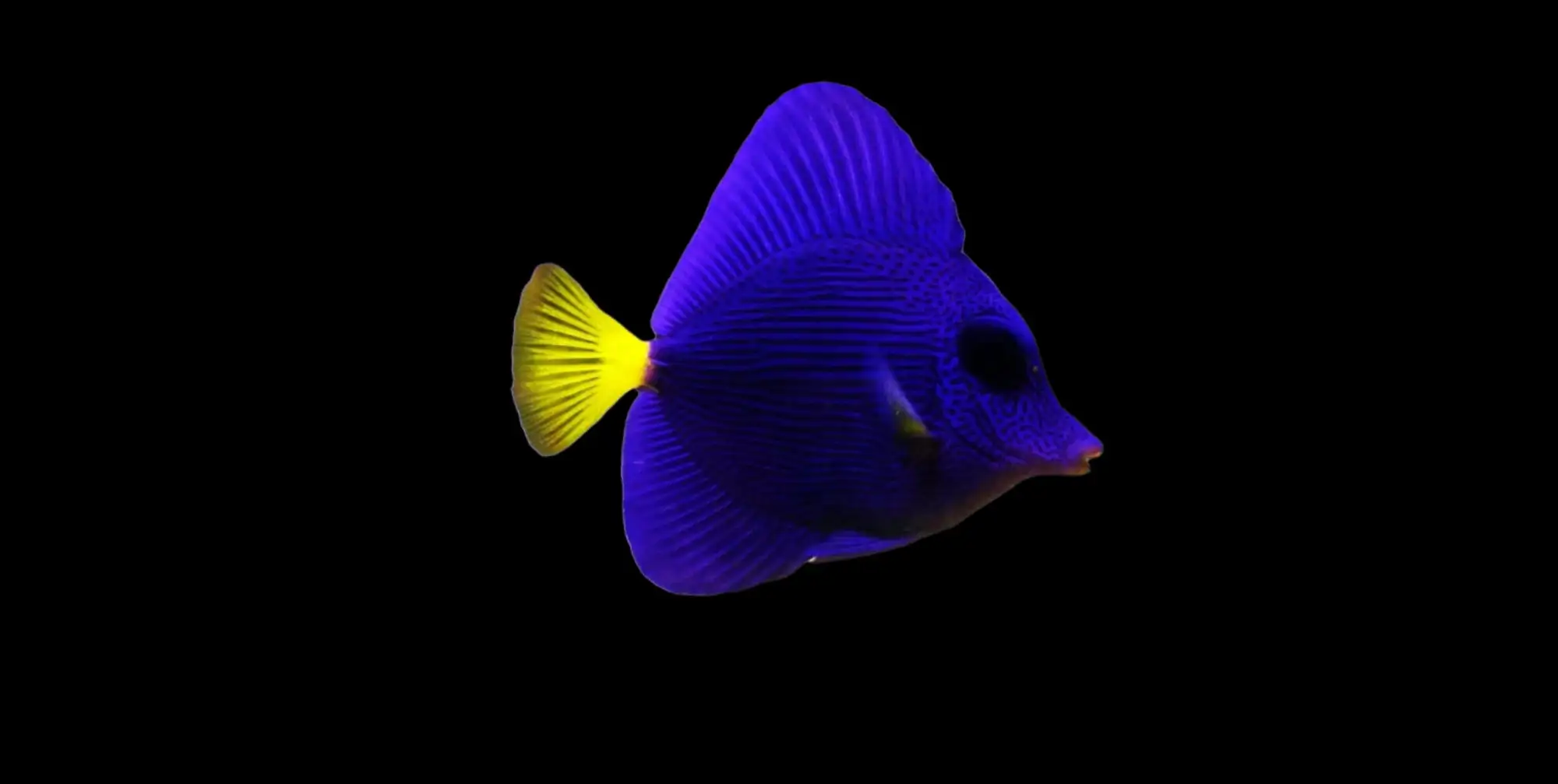
Sailfin Tang Zebrasoma veliferum
- Care Level: Moderate
- Color: Tan, Blue, and Yellow
- Diet: Herbivore
- dKH: 8 - 12
- Family: Acanthuridae
- Maximum Size: 15"
- Minimum Recommended Tank Size: 180 Gallons
- pH: 8.1 - 8.4
- Reef Compatible: Yes
- Specific Gravity: 1.020-1.025
- Temperament: Semi-Aggressive
- Temperature: 72 - 78° F
- Venomous: No
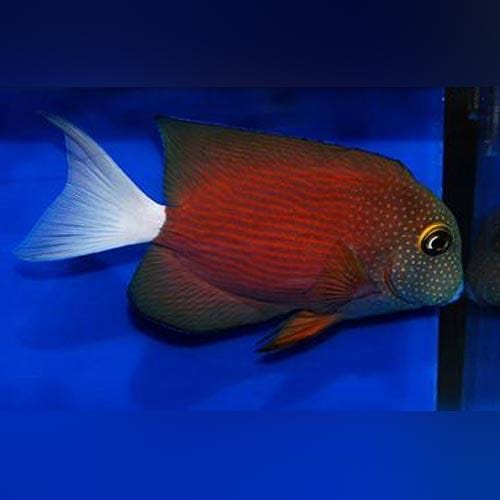
- Description
- Additional Information
- Reviews
Sailfin Tang Zebrasoma veliferum: Bold Movement and Striking Reef Presence
The Sailfin Tang Zebrasoma veliferum brings dramatic finnage and constant motion to saltwater aquariums that demand visual energy.
This species stands out immediately, especially when its dorsal fin spreads wide during active swimming or feeding sessions.
In addition, this fish fits naturally within Fish and Surgeonfish, making it a strong candidate for reef-focused displays.
Sailfin Tang Behavior and Daily Activity Patterns
The Sailfin Tang stays active throughout the day, constantly grazing and exploring rockwork for algae growth and food sources.
As a result, it helps maintain cleaner surfaces while adding steady motion to the aquarium environment.
However, this species establishes territory early, especially in tanks with limited swimming space or hiding areas.
Therefore, provide ample room and structured aquascaping to reduce stress and encourage natural movement patterns.
Visual Appeal of Sailfin Tang Zebrasoma veliferum in Aquariums
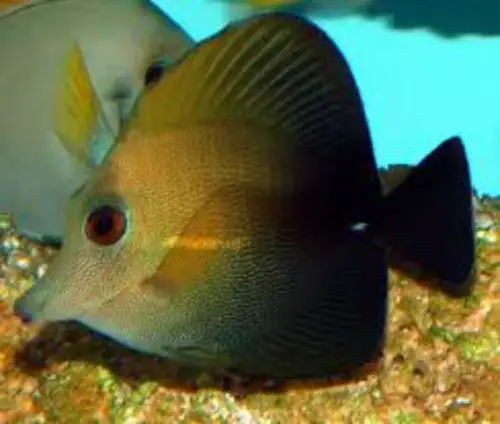
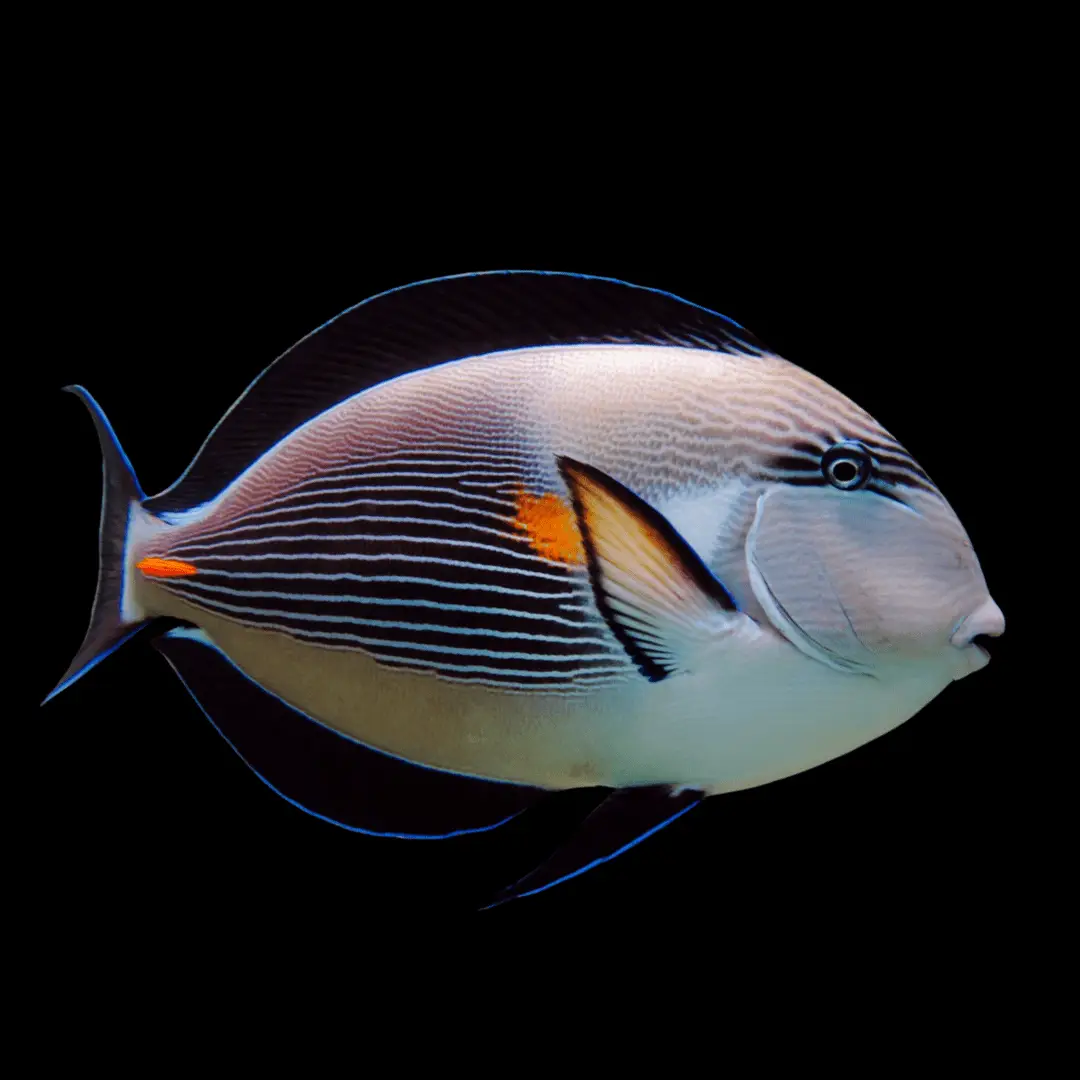
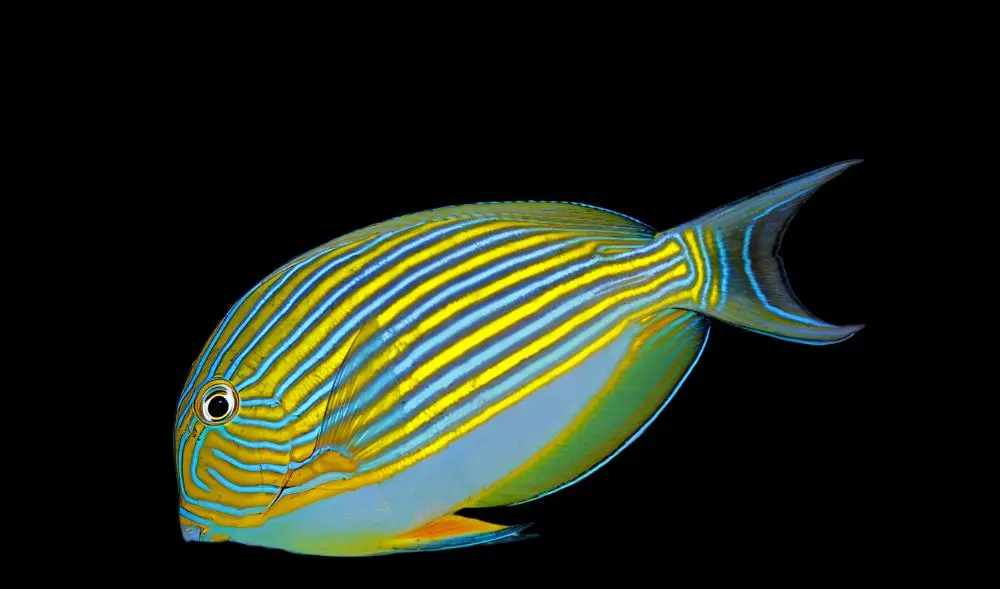
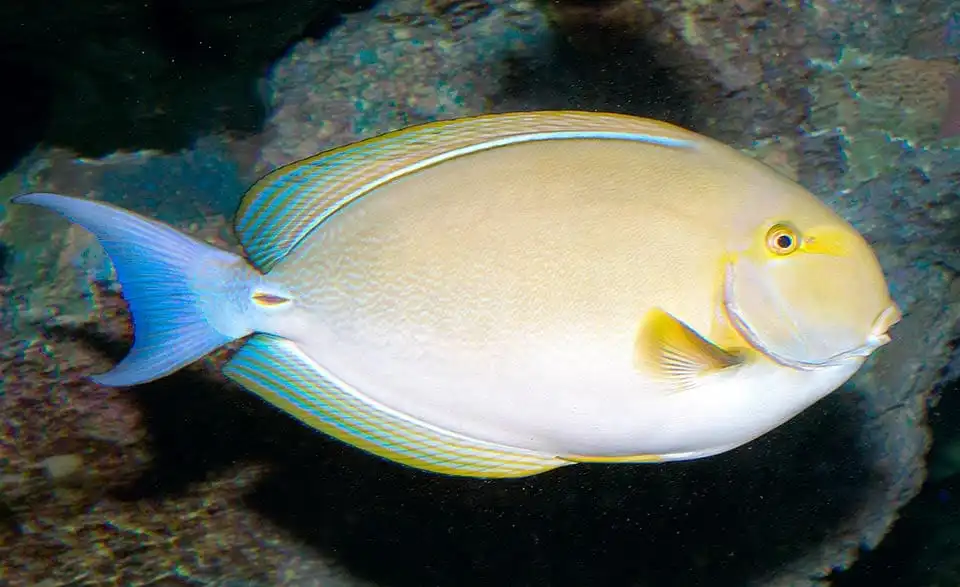
The Sailfin Tang displays bold vertical striping that contrasts sharply against its light body coloration and extended fins.
When fully mature, its sail-like dorsal fin expands dramatically, creating a centerpiece effect within larger reef systems.
Additionally, lighting enhances its patterning, especially under LED reef lighting that highlights subtle color shifts across its body.
Because of this, many aquarists position this species as a focal fish within display tanks.
Sailfin Tang Care Requirements and Tank Setup
Proper care begins with space, as this species grows quickly and requires consistent swimming room for long-term health.
For best results, use strong filtration and stable water parameters to support its active metabolism.
Key setup considerations include:
- Provide open swimming areas with minimal obstruction
- Include live rock for grazing and territory definition
- Maintain strong water flow to mimic natural reef environments
- Use a secure lid to prevent accidental jumping
- Monitor tankmates carefully to avoid aggression conflicts
Feeding the Sailfin Tang for Optimal Health
The Sailfin Tang thrives on a diet rich in marine algae and plant-based nutrition, supporting both digestion and coloration.
To maintain balance, supplement its diet with occasional protein sources like mysis shrimp or brine shrimp.
Additionally, offer dried seaweed sheets several times per week to encourage natural grazing behavior.
Consistent feeding schedules help reduce aggression and improve overall health within community tanks.
Tank Compatibility and Social Behavior
This species generally coexists with peaceful tankmates, although it may challenge similar-shaped fish in tighter environments.
Therefore, introduce it alongside other fish carefully, especially when adding multiple tang species.
Larger aquariums reduce territorial disputes while allowing natural hierarchy development among inhabitants.
Consequently, proper planning ensures long-term harmony within mixed reef communities.
Sailfin Tang Zebrasoma veliferum Specifications
- Care Level: Moderate
- Temperament: Semi-aggressive
- Color Form: Yellow, brown, white vertical striping
- Diet: Herbivore with supplemental protein
- Reef Compatible: Yes, with caution
- Water Conditions: 72–78°F, pH 8.1–8.4, salinity 1.023–1.025
- Max Size: Up to 15 inches
- Origin: Indo-Pacific region
- Family: Acanthuridae
- Minimum Tank Size: 125 gallons
Why the Sailfin Tang Remains a Popular Reef Choice
The Sailfin continues to gain attention due to its combination of function and visual impact in reef aquariums.
It actively contributes to algae control while maintaining a commanding presence within larger systems.
Furthermore, its adaptability makes it suitable for aquarists ready to manage moderate care requirements and tank dynamics.
With proper setup and feeding, it becomes a long-term addition that elevates overall aquarium balance.
Reviews
There are no reviews yet.