



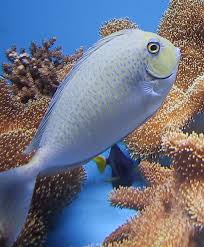
Spotted Unicorn Tang Fiji Naso brevirostris
- Description
- Additional Information
- Reviews
Spotted Unicorn Tang (Fiji) Care, Behavior, and Reef Presence
The Spotted Unicorn Tang from Fiji brings a slightly different character to a reef system. While the core look remains the same, specimens from this region often show sharper contrast in their spotting and cleaner body tones under strong reef lighting. It moves with purpose through open water, rarely staying tucked into rockwork for long.
This species thrives in spacious environments where it can cruise freely. In a reef setting, it adds motion and scale rather than aggression. Once acclimated, it becomes a steady presence, gliding through flow zones and occasionally interacting with other tangs in subtle, non-aggressive ways.
Spotted Unicorn Tang Natural Behavior and Habitat
Fiji-origin specimens come from reef slopes and current-heavy zones where water movement is constant. These fish are used to swimming long distances and staying active throughout the day.
Juveniles tend to stay closer to structure, grazing algae and staying low in the water column. As they grow, they shift into more open-water behavior, feeding on suspended nutrients and plankton.
Growth, Size, and Tank Requirements
This is a species that grows into its space. Planning ahead is critical.
- Maximum Size: Up to 24 inches
- Recommended Tank: 180 gallons minimum for juveniles, larger long-term
- Swimming Style: Open water, high activity
- Temperament: Generally peaceful with occasional dominance displays
Long-term success depends on giving this fish room to move without restriction.
Feeding the Spotted Unicorn Tang
Diet changes as the fish matures, so variety matters.
- Juveniles: Algae and plant-based grazing
- Adults: Planktonic foods and meaty additions
- Ideal feeding approach:
- Marine algae sheets
- Spirulina blends
- Mysis and plankton-based frozen foods
Frequent, balanced feeding keeps body condition strong.
Defining Features of the Spotted Unicorn Tang
The short horn on its forehead is the most recognizable trait. It develops gradually and becomes more defined with age, especially in males. This feature likely plays a role in social signaling.
Color shifts are subtle but noticeable. Some individuals display stronger turquoise spotting, while others appear more muted depending on lighting and environment.
Scientific Notes
Studies referenced through FishBase for Naso brevirostris describe a reef-associated species that transitions from algae grazing in youth to plankton feeding in adulthood. This behavior aligns closely with how the fish adapts in large aquariums.
Care Stats and Facts
- Scientific Name: Naso brevirostris
- Common Name: Spotted Unicorn Tang
- Family: Acanthuridae
- Origin: Fiji
- Care Level: Moderate
- Temperament: Semi-peaceful
- Reef Compatible: Yes
- Diet: Omnivore (algae and plankton-based)
- Maximum Size: 24 inches
- Minimum Tank Size: 180+ gallons
- Temperature: 75–82°F
- pH: 8.1–8.4
- Specific Gravity: 1.020–1.025
Commonly Asked Questions About the Spotted Unicorn Tang
Is the Spotted Unicorn Tang reef safe?
Yes, it is considered reef safe. It does not typically bother corals but may graze on algae around rock surfaces.
How large does the Spotted Unicorn Tang get in captivity?
While capable of reaching very large sizes, most aquarium-kept individuals remain smaller depending on tank size and conditions.
Does this tang need a large aquarium?
Yes. Even smaller specimens require significant swimming space, and long-term housing should be planned accordingly.
Is the horn on its head dangerous?
No. The horn is used more for display and social interaction rather than defense.
Reviews
There are no reviews yet.