


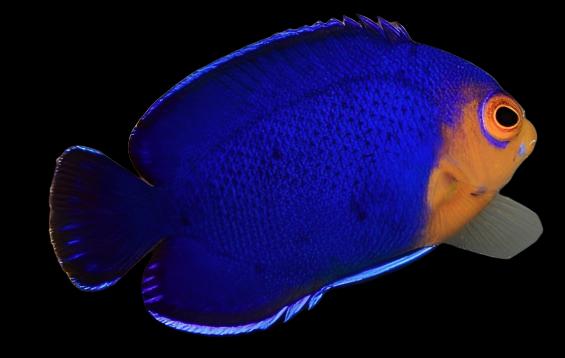
Atlantic Pygmy Angelfish Centropyge argi
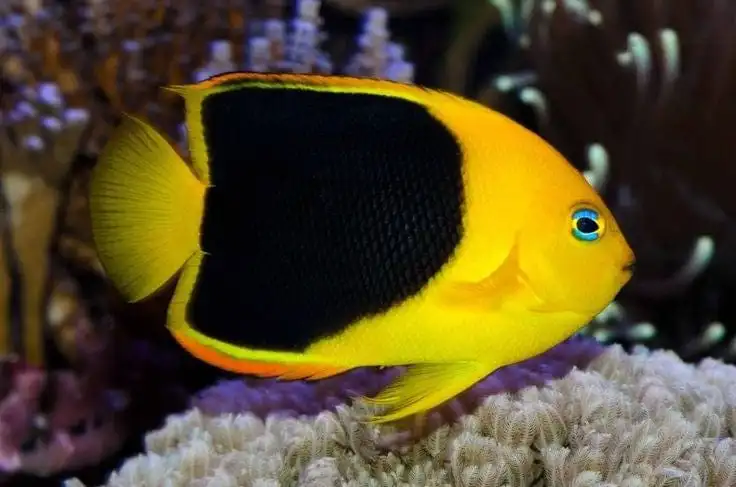
Price range: $74.23 through $96.73
Price range: $150.73 through $157.48
Price range: $110.23 through $139.48
Price range: $164.23 through $177.73
Price range: $110.23 through $125.98

Price range: $38.23 through $49.48

- Description
- Reviews
Pygmy Angelfish – Atlantic Dwarf Angel with Big Personality
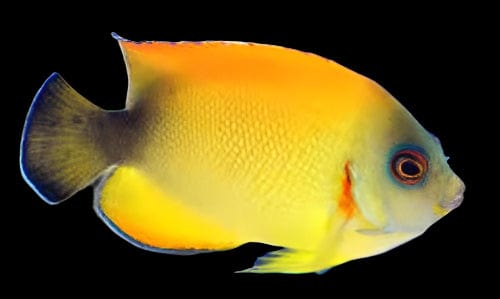
The Pygmy Angelfish may be small, but it never feels like a background fish. Deep blue covers most of the body, while the face shifts into warm yellow-orange tones that stand out under reef lighting. That contrast gives it a sharp, clean look that holds up from juvenile through adulthood.
This angelfish species stays in motion. It moves through rockwork, pauses to graze, then darts back into cover. That constant activity gives the tank a natural rhythm, especially in systems built with caves and ledges. It doesn’t dominate the tank, but it always stays noticeable.
Behavior and Tank Presence
The Pygmy Angelfish carries a semi-aggressive streak, mostly directed at similar fish. It does best as the only dwarf angel in smaller systems. In larger tanks, careful spacing and rock separation help reduce tension.
Despite its size, it won’t hesitate to claim a section of the tank. Introduce it after more passive species to avoid early territorial issues. Once established, it settles into a predictable routine of grazing and exploring.
Natural Habitat and Origin
This species comes from the Atlantic, specifically reef systems across the Caribbean and nearby coastal waters. It favors tight rock formations, reef crevices, and areas with steady algae growth.
That origin explains its behavior in captivity. It prefers structure over open water and spends much of its time picking at surfaces rather than swimming long distances.
Diet and Feeding Strategy
The Pygmy Angelfish thrives on a mixed diet that mirrors its natural grazing habits. It constantly picks at algae in the tank, but that alone won’t meet its nutritional needs.
A strong feeding routine includes:
- Spirulina and marine algae sheets
- Mysis shrimp and enriched brine shrimp
- High-quality marine pellets
- Occasional angelfish formulas with sponge content
Feed small portions two to three times daily. Consistent feeding helps reduce the likelihood of nipping at corals.
Reef Compatibility and Considerations
This fish falls into the “reef safe with caution” category. Many individuals coexist with corals and invertebrates, but some may test polyps or clam mantles over time.
Well-fed specimens tend to behave better in reef setups. Placement in established systems with natural algae growth also helps keep their focus away from corals.
Pygmy Angelfish Care Details
- Scientific Name: Centropyge argi
- Family: Pomacanthidae
- Origin: Atlantic
- Care Level: Easy
- Temperament: Semi-Aggressive
- Diet: Omnivore
- Reef Safe: Yes – With Caution
- Minimum Tank Size: 55 gallons
- Max Size: 3 inches
Water Parameters:
- Temperature: 74°F – 78°F
- pH: 8.1 – 8.4
- dKH: 8 – 12
- Water Density (Specific Gravity): 1.020 – 1.025
Approximate Purchase Size
- Small: Under 1 inch
- Small-Medium: 1 – 2 inches
Common Names and Variations
The Pygmy Angelfish goes by several names in the hobby, including:
- Cherub Angelfish
- Atlantic Pygmy Angelfish
- Cherubfish
- Pygmy Dwarf Angelfish
These names often refer to the same species, though coloration intensity can vary slightly between individuals.
Growth, Color, and Long-Term Appeal
Coloration remains consistent compared to larger angelfish species. The deep blue body and warm-toned face stay prominent, though intensity can shift depending on diet and lighting.
With proper care, this species can live for many years and maintain its color. Its smaller size makes it a reliable choice for hobbyists looking to add movement and contrast without committing to a large angelfish species.
Reviews
There are no reviews yet.