



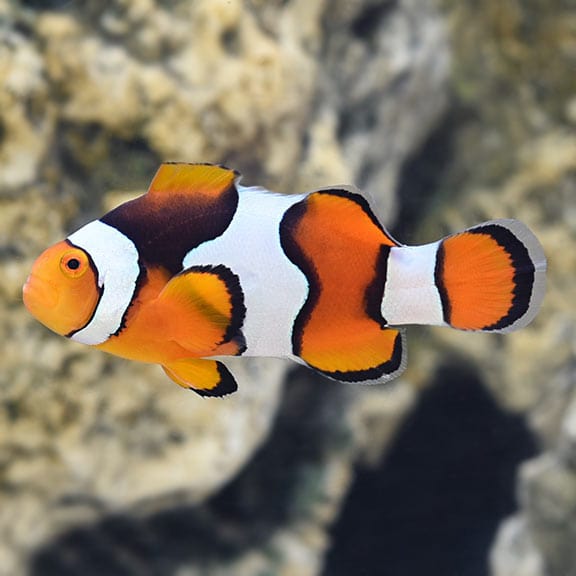
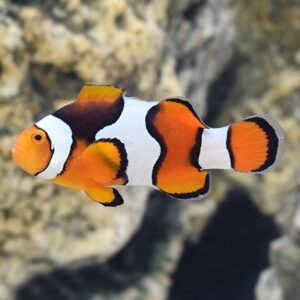
True Percula Clownfish Select Amphiprion percula
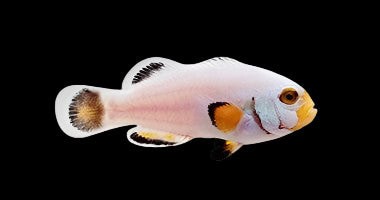
- Description
- Additional Information
- Reviews
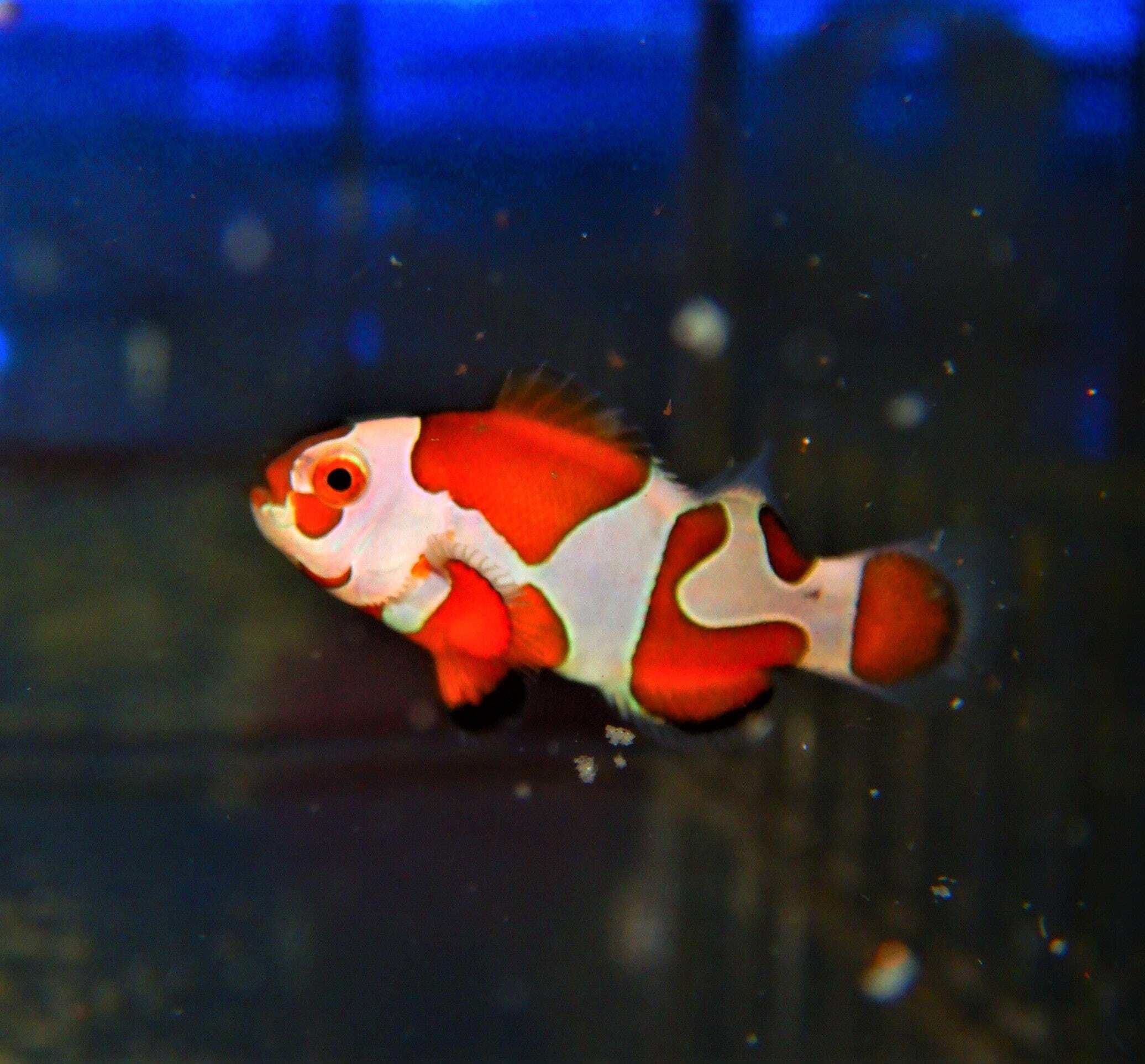
True Percula Clownfish Amphiprion percula with Defined Black Edging and Reef Character
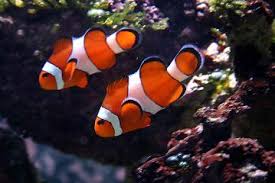
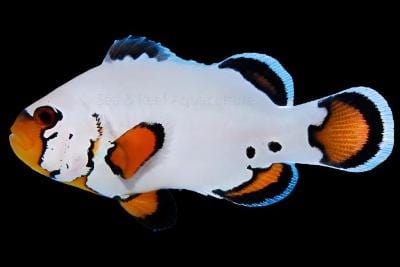
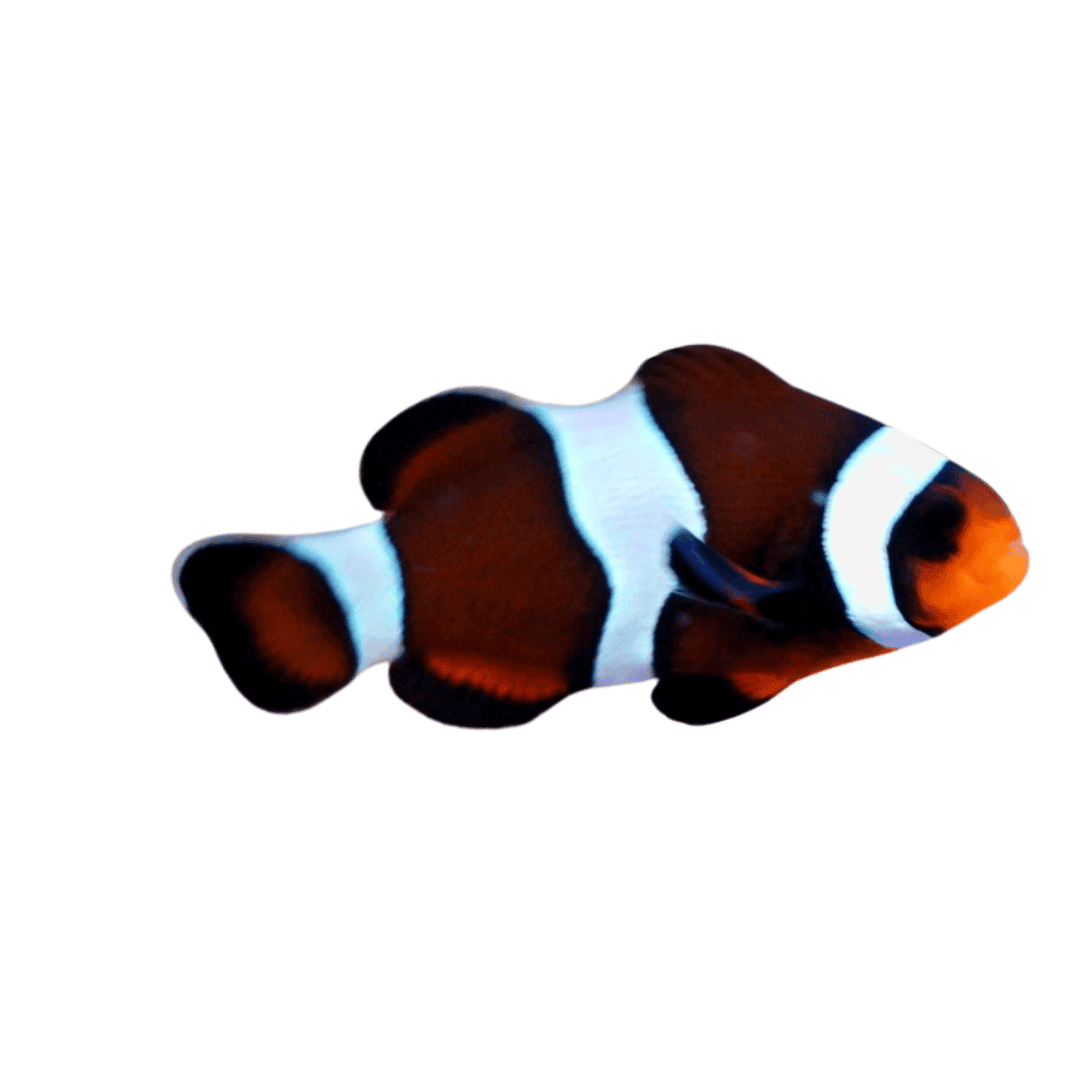
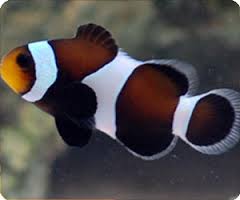
The True Percula Clownfish stands out the moment it enters a tank. The orange is brighter, the white bands are cleaner, and the black edging feels sharper than most clownfish people are used to seeing. It’s the kind of fish that immediately gives a tank that “saltwater” look without needing anything else to carry the visual weight. You can browse more options like this inside our Fish Selections if you're building out a full system.
There’s a noticeable difference between this species and what many hobbyists assume is the same fish. The True Percula Clownfish tends to move with more intention, stay closer to structure, and settle into a routine once it picks its space. It’s not difficult, but it does expect stable conditions early on, which is where most of the success comes from.
What Sets The True Percula Clownfish Apart
At first glance, it gets confused with other clownfish, but the details tell a different story.
- Thicker black borders around each white band
- Brighter orange that holds under stronger lighting
- More compact body shape compared to similar species
- Slower, more deliberate swimming behavior
These differences become more obvious over time, especially once the fish matures.
Territory and Daily Movement
This species doesn’t roam endlessly. It picks a spot and builds its routine around it.
- Tends to stay near a chosen rock or hosting area
- May defend a small section of the tank once settled
- Usually calmer when kept alone or as a bonded pair
- Works well in structured reef layouts
Once it claims a space, you’ll see consistent behavior day to day.
Hosting Behavior Without the Guesswork
Anemones can enhance the experience, but they aren’t required.
- Will naturally associate with Bubble Tip Anemones in captivity
- May ignore hosts at first and adopt them later
- Can live comfortably without any host present
- Often chooses a coral or rock as a substitute territory
If you add a host later, behavior can shift quickly.
Feeding and Long-Term Stability of the True Percula Clownfish
Getting this fish eating early is the main step. After that, it’s consistent.
- Accepts frozen foods like mysis and brine
- Eats pellets and flakes once established
- Benefits from a mix of protein and algae-based foods
- Maintains color well under a varied diet
Regular feeding helps bring out stronger contrast in the patterning.
Breeding Behavior in Aquarium Systems
The True Percula Clownfish is one of the more predictable species when it comes to pairing.
- Forms bonded pairs over time
- Lays eggs near a chosen surface or host
- Eggs typically hatch within a week depending on conditions
- Fry require separate rearing and fine live foods
The female will always grow larger, and the pair will stay close once established.
Key Care Guidelines
- Care Level: Moderate
- Temperament: Semi-Aggressive
- Diet: Omnivore
- Reef Compatible: Yes
- Minimum Tank Size: 30 Gallons
- Max Size: 4 inches
- Temperature: 72–78°F
- Specific Gravity: 1.020–1.025
- pH: 8.1–8.4
- dKH: 8–12
Approximate Purchase Size
- Small: 1.1" to 1.25"
- Medium: 1.26" to 1.5"
- Medium-large: 1.51" to 1.75"
Where It Fits in a Reef Setup
The True Percula Clownfish works best in tanks where structure and territory are already established. It doesn’t need to be the centerpiece, but it naturally becomes one once it settles in.
If you're comparing options, it’s worth browsing other varieties in our Clownfish Collection to see how this species differs in both color and behavior.

Reviews
There are no reviews yet.