


True Percula Clownfish Captive Bred Amphiprion percula
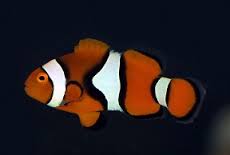
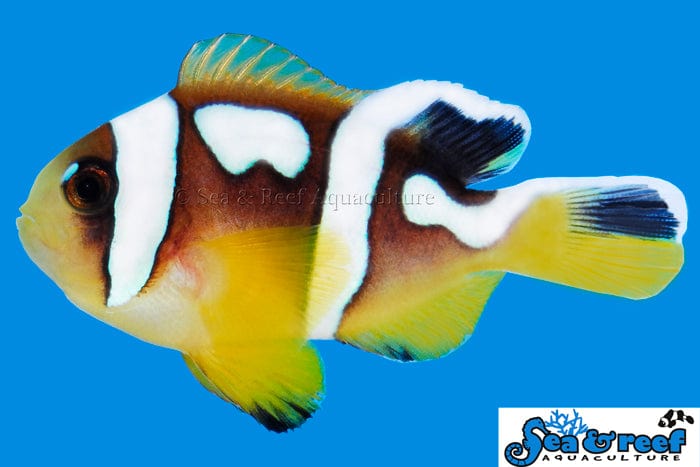
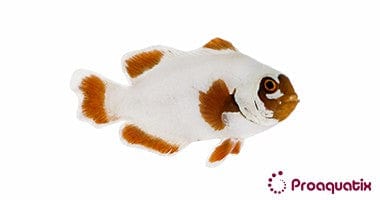
True Percula Clownfish Captive Bred shows clean white bands with thick black edging over a bright orange body. It stays active, eats well, and fits into most reef setups with proper planning.
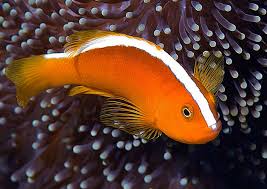
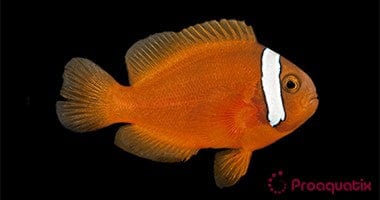
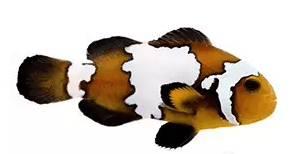
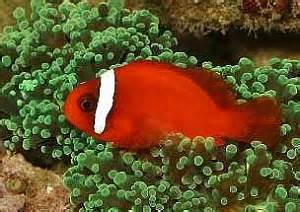
- Description
- Additional Information
- Reviews
-
True Percula Clownfish Captive Bred With Classic Reef Color
The True Percula Clownfish Captive Bred is the fish most people picture when they think of a saltwater tank. Bright orange, clean white bands, and that thick black edging give it a sharper look than most other clownfish.
At first glance, it looks similar to an Ocellaris. However, once you’ve seen both side by side, the difference is obvious. The True Percula Clownfish shows heavier black borders and a slightly more defined pattern. It feels a bit more refined overall, especially under reef lighting.
True Percula Clownfish Captive Bred Appearance and Pattern Detail
This species keeps a consistent look, which is part of why it stays so popular.
- Bright orange base color
- Three white bands with bold black outlines
- Black edging along fins and tail
- Compact body shape with clean contrast
Because of that strong contrast, it stands out even in tanks with heavy coral coverage.
Behavior and Tank Presence of True Percula Clownfish Captive Bred
This fish doesn’t bring the same attitude as some other clownfish. Instead, it stays more relaxed in a community setup.
- Generally peaceful with non-aggressive tankmates
- May show territorial behavior toward other clownfish
- Can live in small groups if the tank allows space
- Spends time near a chosen area or host
Once settled, it tends to follow a predictable routine around the tank.
Natural Habitat and Size Expectations
The True Percula Clownfish comes from reef systems across the Indo-Pacific, including areas near Australia and Oceania.
- Wild specimens reach around 4.5 inches
- Captive-bred fish usually stay closer to 3–3.5 inches
- Prefers reef structures with stable conditions
- Adapts well to aquarium life when properly acclimated
That smaller adult size makes it easier to plan around compared to larger clownfish species.
Feeding Routine and Diet
Feeding this species is usually simple once it starts eating regularly.
- Accepts frozen mysis and brine shrimp
- Eats pellets and flake food without much hesitation
- Benefits from algae-based foods mixed into the diet
- Does well with 2–3 small feedings per day
A varied diet helps maintain color and overall health over time.
Tank Setup for True Percula Clownfish Captive Bred
A stable setup goes a long way with this species.
- Minimum tank size starts at 30 gallons
- Add live rock for structure and hiding spots
- Keep water parameters consistent
- Avoid aggressive tankmates
It can live without an anemone, but it may still choose a spot to hover around consistently.
True Percula Clownfish Captive Bred and Anemone Behavior
In the wild, this species pairs with anemones like the riterri. In aquariums, that relationship is optional. Some individuals will host quickly, while others ignore anemones entirely. Both behaviors are normal.
About True Percula Clownfish Captive Bred
Is the True Percula Clownfish Captive Bred beginner friendly?
It can work for beginners, but it requires more attention than Ocellaris, especially during early acclimation.
How can you tell it apart from Ocellaris Clownfish?
The True Percula Clownfish shows thicker black outlines around its white bands and sharper overall contrast.
Can they live with other clownfish?
They usually tolerate their own kind, but mixing species often leads to territorial behavior.
Do they need an anemone to survive?
No, they do not require one. Many live long, healthy lives without ever hosting.
What size do they reach in a home aquarium?
Most captive-bred specimens stay between 3 and 3.5 inches, depending on diet and environment.
True Percula Clownfish Species Facts
- Difficulty Level: Moderate
- Temperament: Semi-Aggressive
- Color Pattern: Orange, White, and Black
- Diet Type: Omnivore
- Reef Compatibility: Yes
- Ideal Water Conditions: 8 to 12 dKH, and 8.1 to 8.4 pH
- Adult Size Range: 3 inches
- Native Region: Indo-Pacific
- Scientific Family: Pomacentridae
- Minimum Recommended Tank Size: 30 Gallons
- Maximum Tank Size: 100+ gallons
Size Options for This Fish
- Tiny: 0.25 to 0.5 inches
- Small: 0.5 to 1 inches
- Small-Medium: 1 to 1.25 inches
- Medium: 1.25 to 1.5 inches
- Medium-Large: 1.5 to 2 inches
- Large: 2 to 2.5 inches
- XL: 2.5 to 3 inches

Reviews
There are no reviews yet.