


French Angelfish Atlantic Pomacanthus paru
Price range: $249.98 through $1,357.48
Select Variant
The French Angelfish is a captivating species known for its electric colors, assertive temperament, and unmistakable personality in larger saltwater aquariums. Best suited for experienced aquarists, it adds unmatched vibrancy and movement to fish-only marine systems.
Related Products
- Description
- Additional Information
- Reviews
General information regarding French Angelfish
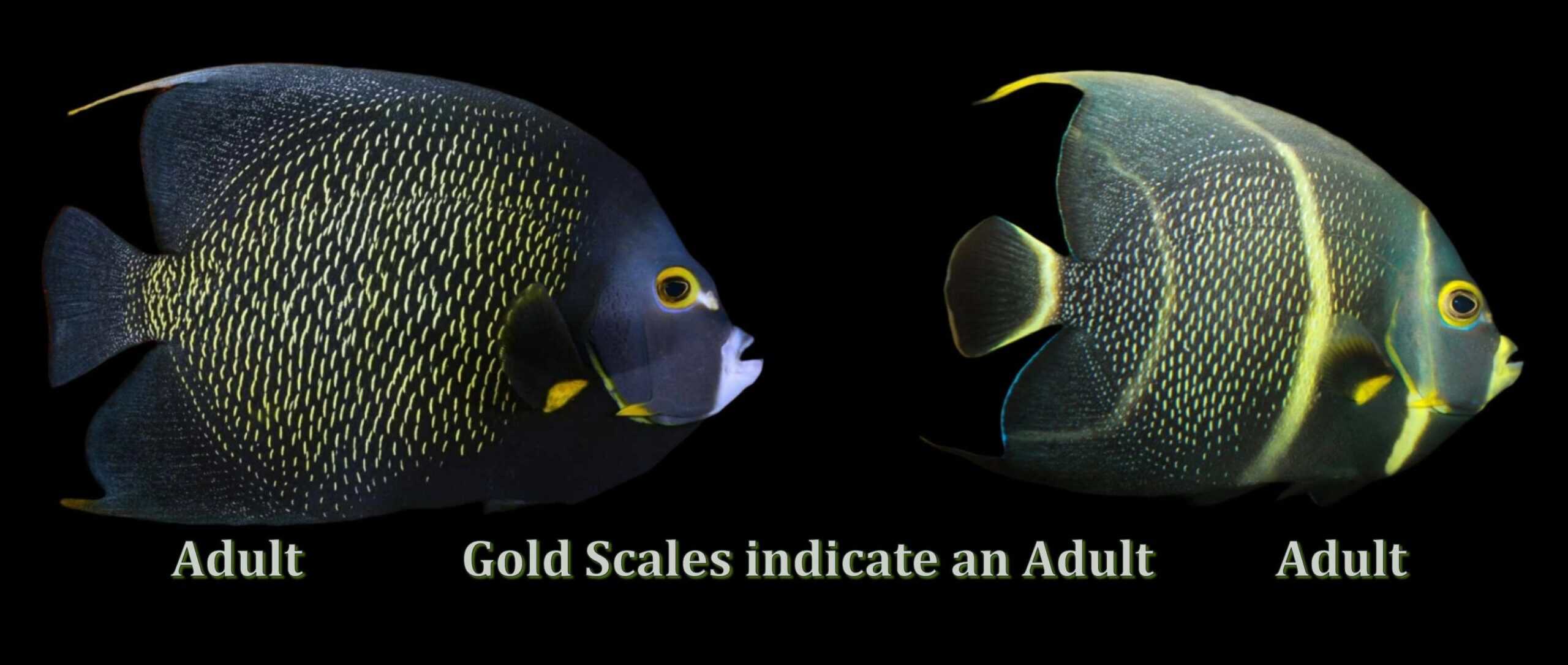
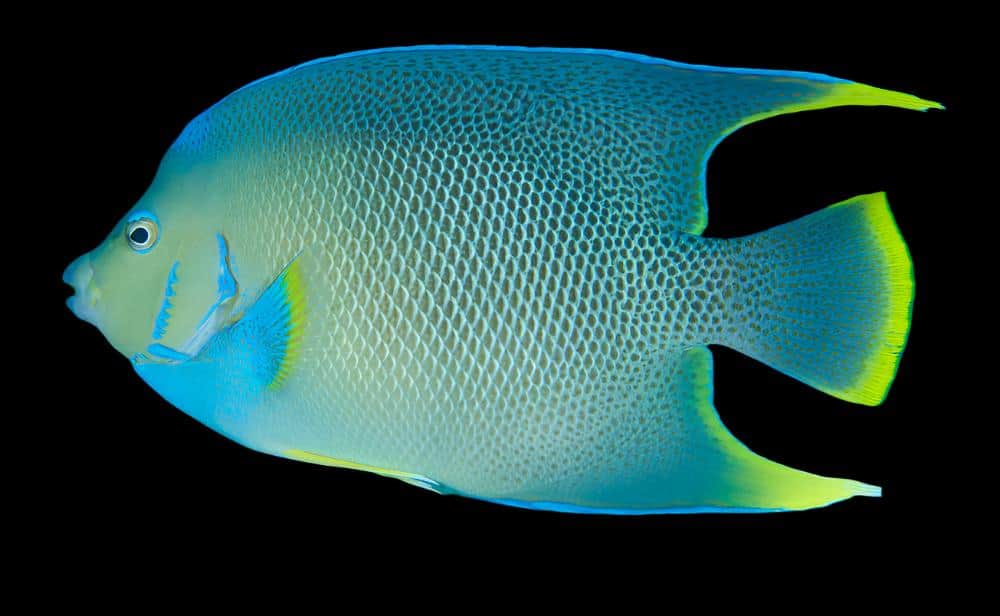
The French Angelfish is widely recognized as a popular angelfish species. Its face features pale dusky-blue coloring with eyes rimmed in white and yellow. The body exhibits dark blue hues with orange-edged scales, creating a dappled appearance. A yellow smudge accents its pectoral fin, while the gill cover sports a yellow border.French Angelfish Origin
The French Angelfish is Native to the western Atlantic Ocean from Florida to Brazil, including the Gulf of Mexico and the Caribbean Sea, including the Antilles.French Angelfish Facts and Findings
- Scientific Name: Pomacanthus paru
- Family: Pomacanthidae
- Common Name: French Angelfish
- Primary Colors: Black, Yellow, Blue
- Distinct Markings: Yellow Trimmed Scales with Bright Facial Accents
French Angelfish Video:
Diet and Nutrition
French Angelfish are primarily omnivorous, feeding on algae, sponges, zoanthids, bryozoans, tunicates, and gorgonians in the wild. In captivity, juveniles are fed a diet of detritus and algae, while adults benefit from a mix including sponges and vegetables. Feed at least four times daily to accommodate their grazing habits.Reef Compatibility
Not suitable for reef tanks due to a tendency to nip at sessile invertebrates such as soft and stony corals, and clam mantles. It can also dominate the aquarium environment.Tank Requirements
A tank of 250 gallons or larger is necessary, equipped with ample live rock for hiding and grazing.Reef Compatibility
Not suitable for reef tanks due to a tendency to nip at sessile invertebrates like soft and stony corals, as well as clam mantles. It may dominate the tank.Diet and Nutrition
French Angelfish are primarily omnivorous, feeding on algae, sponges, zoanthids, bryozoans, tunicates, and gorgonians in the wild. In captivity, juveniles are fed a diet of detritus and algae, while adults benefit from a mix including sponges and vegetables. Feed at least four times daily to accommodate their grazing habits.Care Guide
Appearance and Features
The French Angelfish boasts a distinctive pale dusky-blue face with yellow and white-rimmed eyes. Its body is characterized by dark dusky-blue coloring with yellow-edged scales, creating a dappled pattern. A yellow smudge accents its pectoral fin, and its gill cover features a yellow rim.Size and Growth Stages
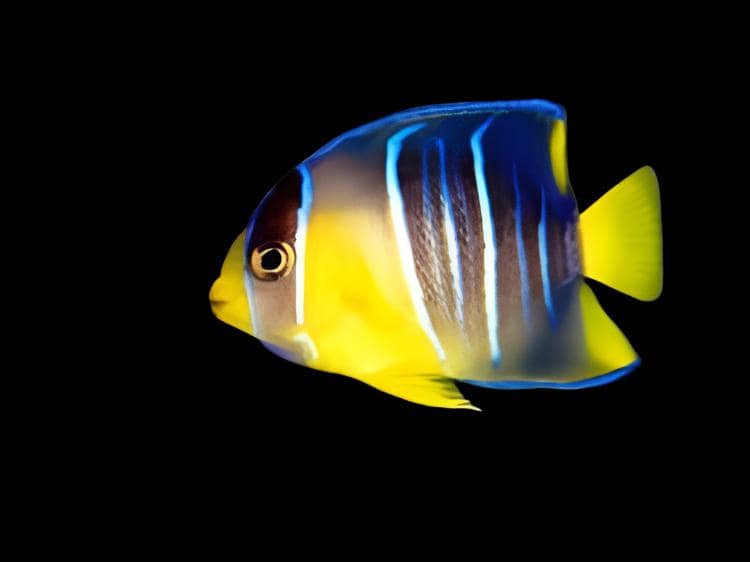
- Juvenile Small: 1" to 1 1/2"
- Medium: 1 1/2" to 2 1/4"
- Large: 2 1/4" to 3"
- Adult Small: 3" to 3-1/2"
- Small/Medium: 3 1/2" to 4"
- Medium: 4" to 5"
- Medium/Large: 5" to 6"
- Large: 6" to 7"
- XLarge: 7" to 8"
- XXLarge: 8" to 9"
- Explore full fish offerings in the livestock catalog.
- Discover similar angels under this angel family.
- Find tank upgrades in aquariums & displays.
- Reinforce nutrition through all feeding products.
Size
S | SM | M | ML | L | XL | XX | SH | JU
Reviews
There are no reviews yet.