


Flagfin Angelfish Juvenile Apolemichthys trimaculatus



- Description
- Reviews
Juvenile Flagfin Angelfish – Apolemichthys trimaculatus Care Guide
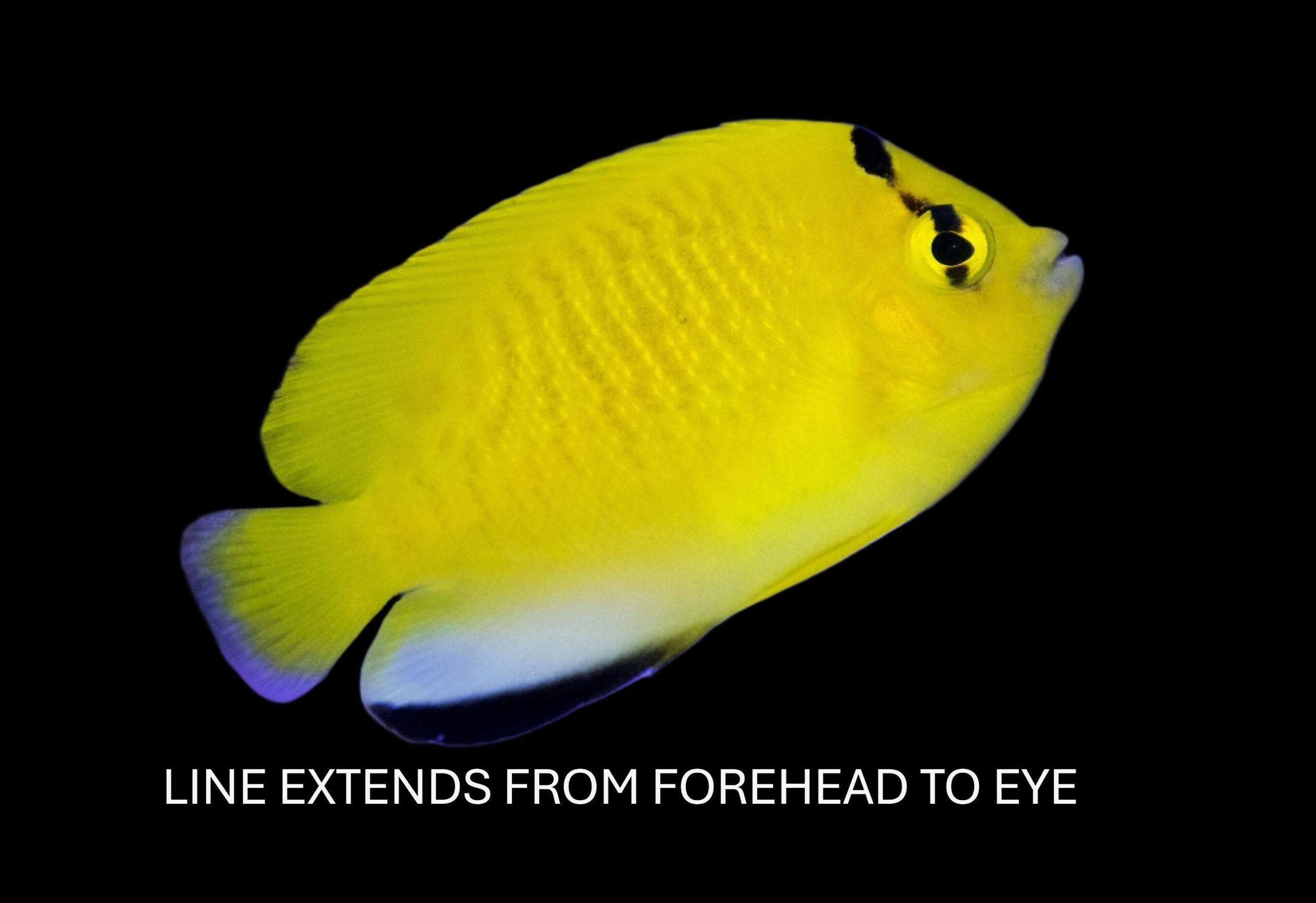
The Juvenile Flagfin Angelfish (Apolemichthys trimaculatus) is a striking young marine angelfish known for its bright yellow coloration and distinctive markings that gradually change as the fish matures. Also known as the Threespot Angelfish, this species develops into a boldly colored adult with vivid blue lips, a dark forehead marking, and a contrasting black-and-white anal fin.
Juvenile Flagfin Angelfish can be shy when first introduced and benefit from a mature aquarium with extensive rockwork, caves, and shaded retreats. Their specialized feeding requirements make them better suited for aquarists prepared to provide a varied diet with a strong emphasis on sponge-based foods.
Browse additional saltwater angelfish to compare species, sizes, coloration, and aquarium requirements.
Juvenile Flagfin Angelfish Appearance
Young Flagfin Angelfish display a bright yellow body similar to adults but retain several juvenile markings. A dark vertical band may pass through the eye, while a dark false eyespot can appear near the rear portion of the dorsal fin.
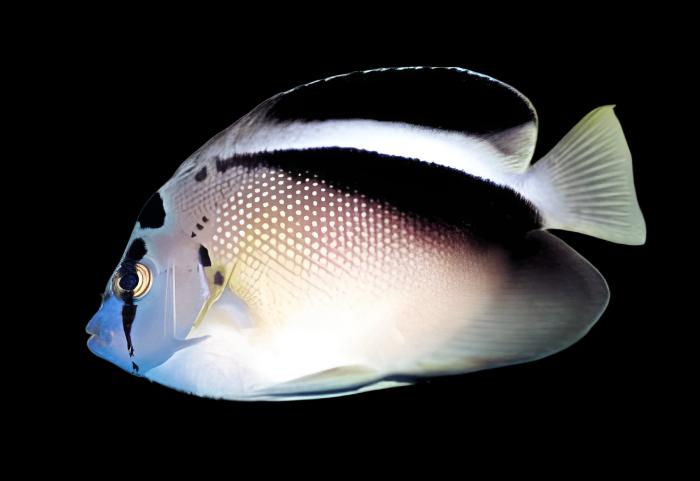
These juvenile features gradually fade as the fish matures. The adult pattern becomes increasingly defined, including the vivid blue lips, dark marking on the forehead, and sharply contrasting black-and-white coloration along the anal fin.
Juvenile to Adult Color Transformation
The Flagfin Angelfish undergoes a noticeable transition as it grows. Juvenile markings such as the eye stripe and dorsal eyespot become less prominent while the characteristic adult features strengthen.
This gradual transformation gives aquarists the opportunity to watch Apolemichthys trimaculatus develop from a bright young angelfish into a highly recognizable adult centerpiece fish.
Juvenile Flagfin Angelfish Behavior and Temperament
The Juvenile Flagfin Angelfish is generally considered semi-aggressive, although young specimens may be shy during acclimation. Newly introduced fish often remain close to caves and rockwork until they become comfortable with their surroundings.
Once established, the fish typically becomes more confident and may defend preferred areas from other angelfish or similarly shaped species.
Provide multiple caves, overhangs, and visual barriers so the juvenile can establish a secure territory without competing constantly with tankmates.
Natural Habitat and Distribution
Apolemichthys trimaculatus occurs throughout a broad portion of the Indo-West Pacific, from East Africa and the Indian Ocean into the western and central Pacific.
Flagfin Angelfish inhabit lagoon reefs, seaward reefs, coral-rich slopes, and drop-offs. Juveniles tend to remain closely associated with protective reef structure where they can retreat quickly into caves and crevices.
A mature aquarium with substantial live rock helps recreate this environment while also providing valuable grazing surfaces.
Juvenile Flagfin Angelfish Aquarium Setup
A mature aquarium of at least 125 gallons should be planned for long-term care. Although juvenile specimens may be purchased at a small size, Flagfin Angelfish can reach approximately 10 inches as adults.
Avoid choosing an aquarium based only on the juvenile purchase size. Provide substantial swimming room from the beginning along with caves, overhangs, and shaded areas where the fish can retreat.
Strong biological filtration, stable salinity, consistent water quality, and mature rockwork are especially important for long-term success.
Juvenile Flagfin Angelfish Diet and Feeding
The Flagfin Angelfish has specialized feeding requirements and naturally consumes large amounts of sponges and tunicates. Juveniles should be offered a varied diet that introduces appropriate prepared foods while supporting healthy growth.
Recommended foods include:
- Sponge-based marine angelfish preparations
- Spirulina and marine algae
- Marine algae sheets
- Mysis shrimp
- Vitamin-enriched brine shrimp
- Finely chopped clam and marine seafood
- Frozen marine omnivore blends
- High-quality marine pellets
Offer two to three smaller meals throughout the day when possible. Newly introduced juveniles should be monitored closely to confirm that they are feeding consistently.
Is the Juvenile Flagfin Angelfish Reef Safe?
The Flagfin Angelfish is generally not considered reliably reef safe. Juveniles may nip at sponges, tunicates, soft corals, stony corals, clam mantles, and other sessile invertebrates.
Fish-only and fish-only-with-live-rock aquariums provide the most predictable environment. The risk of coral or clam damage can increase as the fish grows and becomes more confident.
Suitable Tankmates for Juvenile Flagfin Angelfish
Juvenile Flagfin Angelfish can coexist with many peaceful to moderately assertive marine fish when adequate space and hiding areas are available. Suitable tankmates may include:
- Tangs and surgeonfish
- Rabbitfish
- Wrasses
- Larger clownfish
- Hawkfish
- Other medium-sized community marine fish
Avoid excessively aggressive tankmates that may intimidate the juvenile or prevent it from feeding. Additional angelfish should generally be avoided unless the aquarium is exceptionally large.
Juvenile Flagfin Angelfish Care Facts
- Care Level: Difficult
- Temperament: Semi-Aggressive
- Diet: Omnivore / Sponge Feeder
- Reef Compatible: No / With Significant Caution
- Minimum Tank Size: 125 gallons
- Maximum Size: Approximately 10 inches
- Life Stage: Juvenile
- Natural Range: Indo-West Pacific
- Family: Pomacanthidae
- Scientific Name: Apolemichthys trimaculatus
- Common Names: Flagfin Angelfish, Threespot Angelfish, Three-Spot Angelfish
Recommended Water Parameters
- Temperature: 72–78°F
- Specific Gravity: 1.020–1.025
- pH: 8.1–8.4
- Alkalinity: 8–12 dKH
Approximate Purchase Size – Juvenile
- Juvenile Small: Approximately 1"–1.5"
- Juvenile Medium: Approximately 1.5"–2"
- Juvenile Large: Approximately 2"–2.75"
Actual purchase size, coloration, and juvenile markings may vary between individual specimens.
Why Choose a Juvenile Flagfin Angelfish?
The Juvenile Flagfin Angelfish offers the opportunity to watch a bright young marine angelfish develop into one of the most recognizable yellow angelfish species. Its juvenile eye stripe and dorsal eyespot gradually give way to the vivid blue lips, dark forehead marking, and contrasting anal fin of the adult.
For experienced aquarists with a large, mature aquarium and the ability to provide a sponge-rich diet, Apolemichthys trimaculatus can offer years of visual change and centerpiece appeal.
Explore more angelfish for saltwater aquariums to compare additional species, sizes, and care requirements.
Frequently Asked Questions About Juvenile Flagfin Angelfish
What does a juvenile Flagfin Angelfish look like?
Juvenile Flagfin Angelfish are bright yellow and may display a dark stripe through the eye along with a false eyespot near the rear portion of the dorsal fin.
Does a Flagfin Angelfish change appearance as it grows?
Yes. The juvenile eye stripe and dorsal eyespot gradually fade while the blue lips, forehead marking, and contrasting adult anal fin become more prominent.
How large does a Flagfin Angelfish get?
The Flagfin Angelfish can reach approximately 10 inches in total length, so long-term aquarium planning should be based on its adult size rather than juvenile purchase size.
What size aquarium does a Juvenile Flagfin Angelfish need?
A mature aquarium of approximately 125 gallons or larger is recommended for long-term care.
Is the Juvenile Flagfin Angelfish reef safe?
Not reliably. Flagfin Angelfish may nip at or consume sponges, tunicates, soft corals, stony corals, clam mantles, and other sessile invertebrates.
What should I feed a Juvenile Flagfin Angelfish?
Provide a varied diet with an emphasis on sponge-based marine angelfish foods, supplemented with marine algae, Spirulina, mysis shrimp, enriched brine shrimp, clam, and other marine foods.
Why is the Flagfin Angelfish considered difficult to keep?
Flagfin Angelfish have specialized dietary needs and can be reluctant to accept prepared foods during acclimation. A mature aquarium, sponge-rich diet, and close monitoring of feeding behavior are important for long-term success.

Reviews
There are no reviews yet.