


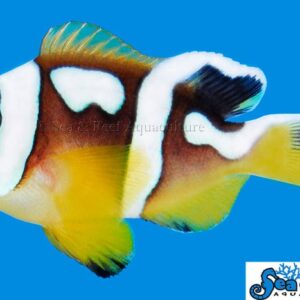

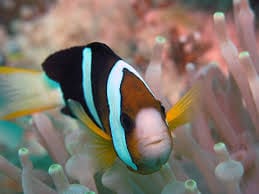
Clarkii Clownfish Captive Bred Amphiprion clarkii
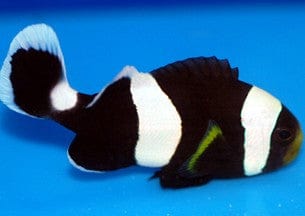
Clarkii Clownfish Captive Bred adapts quickly to aquarium life and often forms a natural hosting relationship with anemones in reef environments. Its bold striping and active swimming behavior bring constant movement and visual contrast to marine setups.
- Description
- Additional Information
- Reviews
-
Clarkii Clownfish Captive Bred – Bold Personality with Proven Hardiness
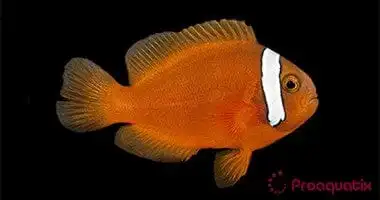
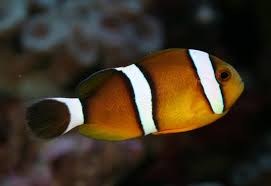
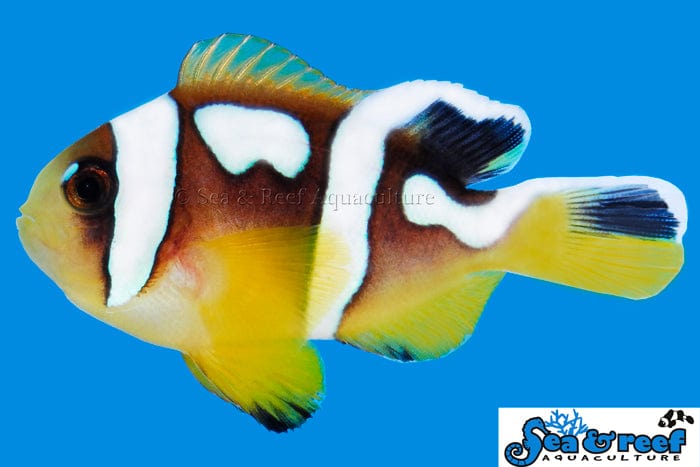
The Clarkii Clownfish Captive Bred (Amphiprion clarkii) stands out as one of the most adaptable and visually diverse clownfish available in the marine aquarium hobby. This species displays a wide range of coloration, from deep brown and black tones to vibrant yellow and orange highlights, all accented by crisp white bands. As the fish matures, its coloration deepens, often developing stronger contrast and a more defined pattern.
Captive-bred Clarkii Clownfish offer a major advantage over wild specimens. They acclimate quickly, accept prepared foods without hesitation, and show a more dependable temperament in home aquariums. This makes them a reliable choice for both new hobbyists and experienced reef keepers seeking a hardy, active species.
Natural Behavior and Reef Compatibility
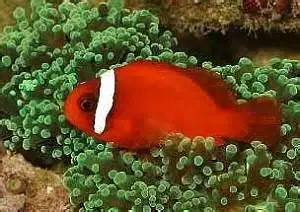
In the wild, Clarkii Clownfish inhabit coral reef environments across the Indo-Pacific, living in close association with sea anemones in shallow lagoons and reef slopes . Like other clownfish, they form a symbiotic relationship with their host, gaining protection while helping defend and even feed the anemone.
In the aquarium, they do not require an anemone to thrive, but will readily host if one is present. Their active swimming behavior and territorial nature make them a lively centerpiece fish, especially in reef setups with adequate space.
Temperament and Tank Dynamics
Clarkii Clownfish are known for their confident and semi-aggressive temperament, especially as they mature. They establish territory quickly and may defend it against other clownfish or similarly shaped species. However, they generally coexist well with peaceful tank mates in a properly sized system.
A minimum tank size of 30 gallons is recommended, with larger systems providing more stability and room for natural behavior. When kept as a pair, they may form a dominance hierarchy typical of clownfish, where the larger individual becomes female.
Diet and Feeding Habits
Clarkii Clownfish are opportunistic omnivores and extremely easy to feed. In nature, they consume a mix of small crustaceans, algae, and planktonic organisms, along with scraps from their host anemone .
In captivity, they readily accept:
- Frozen mysis shrimp and brine shrimp
- Marine pellets and flakes
- Herbivore blends and algae-based foods
Their willingness to eat a wide variety of foods makes them ideal for consistent growth and long-term health.
Why Choose a Captive-Bred Clarkii Clownfish?
- Strong adaptability to aquarium conditions
- Consistent feeding response with prepared foods
- Reduced stress compared to wild-caught specimens
- Striking color variation that evolves with age
- Proven durability in reef and fish-only systems
A Reliable and Eye-Catching Reef Fish
The Clarkii Clownfish Captive Bred combines durability, personality, and visual appeal into one of the most dependable marine fish choices available. Its ability to adapt, interact with its environment, and thrive in a wide range of setups makes it a staple species for aquarists looking to build a stable and engaging aquarium.
Quick Stats & Info
- Care Difficulty: Easy
- Aggressiveness: Semi-aggressive
- Scientific Name: Amphiprion clarkii
- Primary Colors: White, Tan, and Black
- Feeding Behavior: Omnivore
- Reef Suitability: Yes
- Water Chemistry Range: 8.1 to 8.4 pH, and 8 to 12 dKH
- Max Adult Length: 6 inches
- Habitat Origin: Indo-Pacific, Solomon islands. This variant is captive-bred
- Taxonomic Family: Pomacentridae
- Tank Size Requirement (Minimum): 30 gallons
- Tank Size Range (Maximum): 100+ gallons
Average Purchase Size
- Small: 0.75 inches to 1.5 inches
- Medium: 1.5 to 2.5 inches
- Large: 2.5 to 3.5 inches
Reviews
There are no reviews yet.