Blue Hippo Tang Fiji Care, Behavior, and Aquarium Setup
The Blue Hippo Tang provides you with constant movement, distinct coloration, and strong grazing behavior in larger reef aquariums. This species stays active throughout the day and creates a dynamic tank presence in open water.
It naturally inhabits coral-rich environments, where structure and swimming space support long-term health. As a result, it performs best in established systems with stable conditions and plenty of room.
Blue Hippo Tang Fiji Coloration and Body Structure
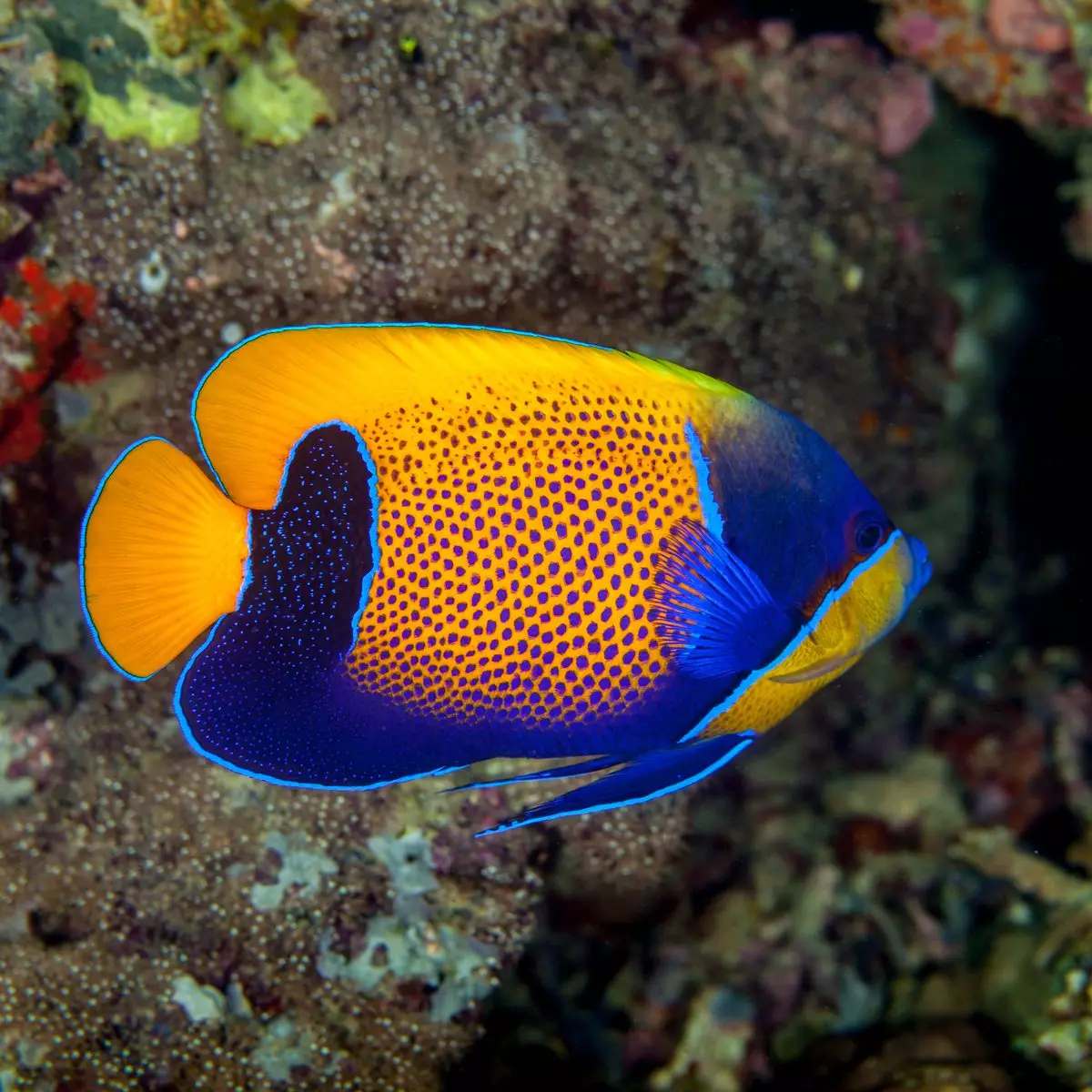
The Blue Hippo Tang displays a vivid blue body with deep contrast and clean pattern definition. Its coloration remains one of the most recognizable among marine fish.
- Bright blue body with bold black patterning
- Yellow tail that creates strong rear contrast
- Streamlined shape designed for open-water swimming
- Color intensity increases under proper lighting
Because of these traits, it stands out immediately in reef environments.
Blue Hippo Tang Tank Requirements and Layout
The Blue Hippo Tang requires a large aquarium with both open swimming space and protective rockwork. Therefore, tank design plays a major role in long-term success.
- Minimum tank size: 180 gallons
- Long tank footprint to support constant movement
- Live rock structures for grazing and shelter
- Moderate to strong water flow
Additionally, stable water parameters reduce stress and support consistent behavior.
Feeding Routine and Nutritional Needs
The Blue Hippo Tang benefits from a balanced diet that includes both plant-based and protein sources. Therefore, variety helps maintain health and coloration.
- Provide marine algae or seaweed several times weekly
- Offer spirulina-based pellets or flakes daily
- Supplement with frozen foods such as mysis shrimp
- Feed smaller portions multiple times per day
Consistent feeding supports immune health and steady energy levels.
Blue Hippo Tang Compatibility and Behavior
The Blue Hippo Tang maintains a generally peaceful temperament in larger reef systems. However, proper spacing remains important to prevent stress.
- Pairs well with peaceful community fish
- Avoid housing with aggressive tang species
- Introduce after more territorial fish when possible
- Provide hiding areas to reduce stress during acclimation
With proper planning, this species integrates well into mixed reef aquariums.
Care Stats and Facts
- Care Level: Easy
- Temperament: Peaceful
- Color Form: Blue body with black pattern and yellow tail
- Diet: Omnivore with strong herbivore preference
- Reef Compatible: Yes
- Water Conditions: pH 8.1–8.4, dKH 8–12, Specific Gravity 1.020–1.025, Temperature 74–78°F
- Max Size: Up to 12 inches
- Origin: Fiji
- Family: Acanthuridae
- Minimum Tank Size Requirements: 180 gallons
Available Purchase Sizes
- Small: Under 1.25"
- Medium: 1.25" to 2"
- Medium-Large: 2" to 2.5"
Selecting smaller sizes often improves acclimation and long-term success in reef systems.
Why Choose the Blue Hippo
The Blue Hippo combines high activity, recognizable coloration, and reef compatibility in one species. It works especially well in larger aquariums that support open swimming behavior.
Additionally, its steady movement helps create a more active and visually balanced display.
Commonly Asked Questions About the Blue Hippo Tang
Is the Blue Hippo reef safe?
Yes, this species is reef compatible and does not harm corals or invertebrates.
How large does the Blue Hippo grow?
It can reach up to 12 inches, so a larger aquarium is required.
What should be included in its diet?
Offer marine algae, spirulina-based foods, and occasional frozen foods for balance.
Can this species live with other tangs?
It can, but larger tanks and careful introductions are necessary to prevent aggression.
How active is the Blue Hippo?
It remains highly active throughout the day, constantly swimming and grazing within the aquarium.




Reviews
There are no reviews yet.