



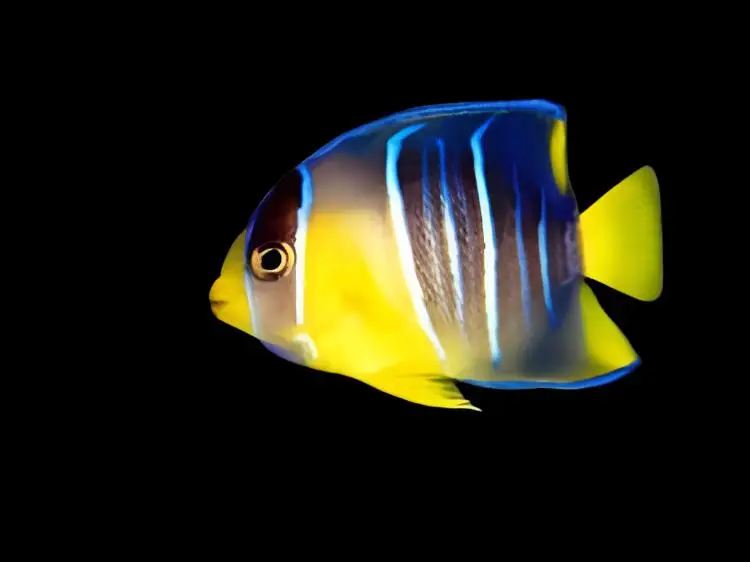
Blue Angelfish; Juv.; Atl. - Holacanthus bermudensis
Price range: $154.98 through $487.48
Select Variant
This juvenile Blue Angelfish adds energetic movement and striking electric-blue striping to large saltwater aquariums. With proper diet and space, this Atlantic species develops into a dramatic showpiece adult with iconic yellow-rimmed fins.
Related Products


- Description
- Additional Information
- Reviews
Blue Angelfish; Juvenile - Atlantic - Holacanthus bermudensis
The Blue Angelfish, also known as the Common Angel, is a stunning species commonly found in the Western Atlantic Ocean. This guide provides detailed information about its appearance, diet, and habitat requirements.Blue Angelfish Appearance
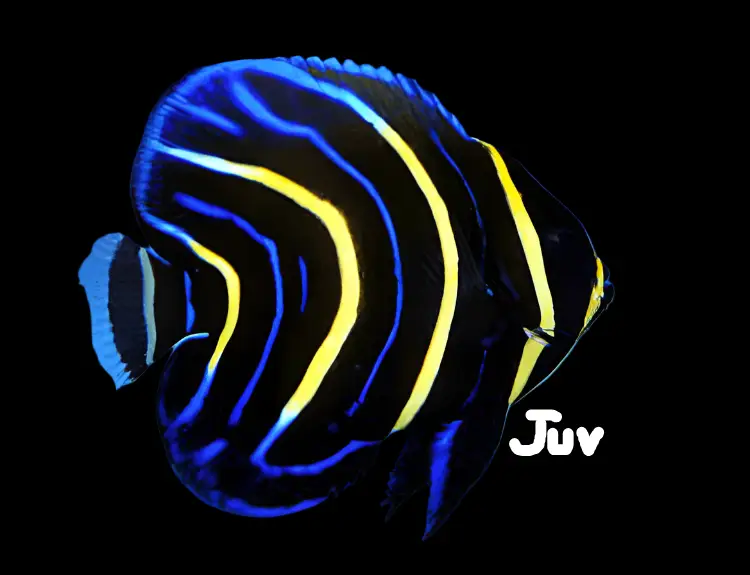
Juvenile Blue Angelfish
-
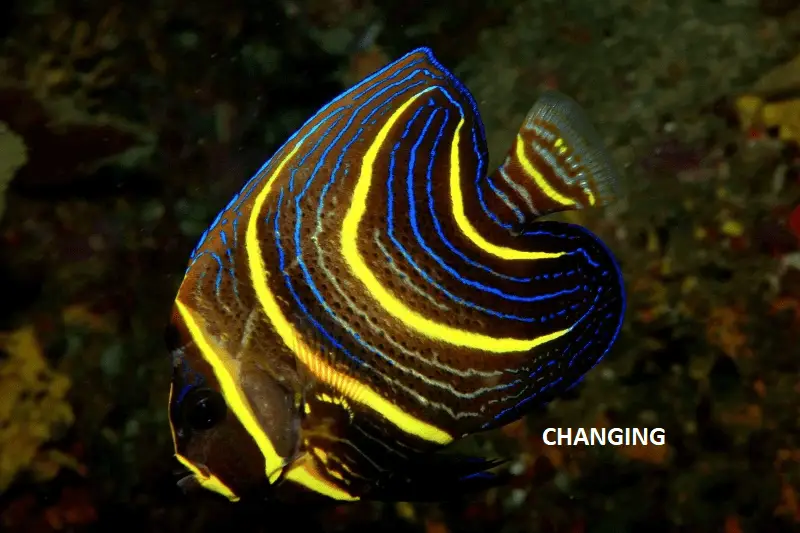
- Coloration: Dark blue body with yellow highlights and bright blue bars.
-
- Size: Juveniles range from 1" to 1-1/2".
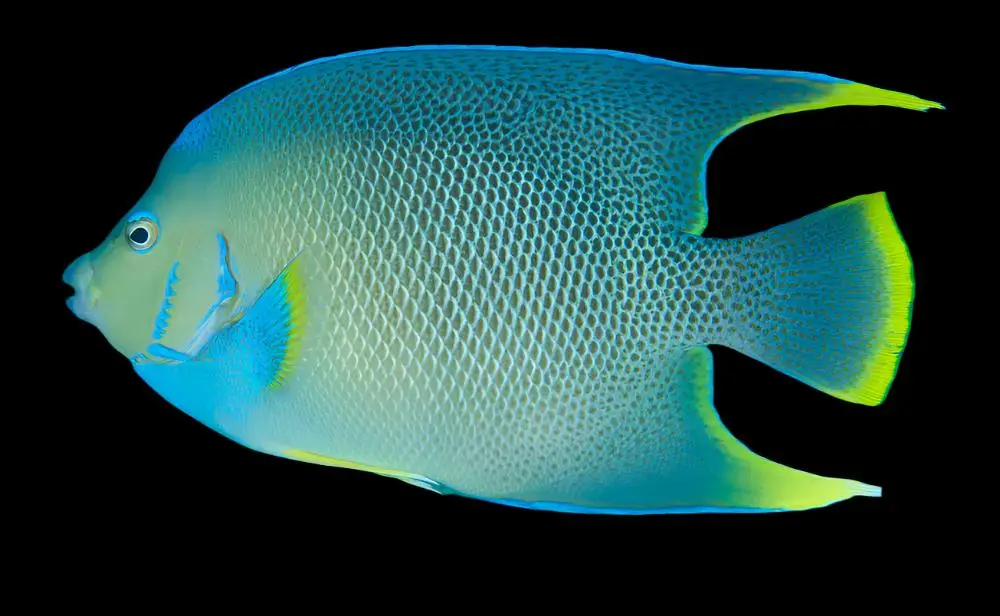
Adult Blue Angelfish
-
- Coloration: Aqua hue with yellow edges on fins and scales. It has blue anal and dorsal fins.
-
- Size: Can grow up to 15 inches (45 centimeters) in length, but is best kept between 2.5" to less than 5" for aquarium adaptation.
Blue Angelfish Habitat Requirements
Natural Habitat
-
- Location: Coastal reefs with turbulent waters in Florida and deep reefs in the Gulf of Mexico.
-
- Regions: Widespread in the Western Atlantic Ocean, including Bermuda, the Bahamas, southern Florida, and the Gulf of Mexico (Yucatan, Mexico).
Aquarium Requirements
-
- Recommended Tank Size: At least 250 gallons with plenty of hiding places.
-
- Tank Mates: Best kept as the only angelfish due to its aggressive nature.
-
- Reef Compatibility: Not suitable for reef tanks, as it nips at stony and soft corals (sessile invertebrates) and clam mantles.
Blue Angelfish Diet and Nutrition
Juvenile Diet
-
- Natural Diet: Cleaner fish that feeds on internal parasites of other aquarium fish.
Adult Diet
-
- Natural Diet: Primarily consumes sponges, but also eats corals, tunicates, and algae.
-
- Tank Feeding:
-
- Spirulina
-
- Marine algae
-
- High-quality angelfish preparations
-
- Mysis and brine shrimps
-
- Small pieces of marine flesh
-
- Live rock for grazing
-
- Tank Feeding:
Feeding Frequency
-
- Recommended Feeding: Feed diverse diets regularly to ensure proper nutrition.
Blue Angel Behavior and Compatibility
Territoriality
-
- Behavior: Tends to be aggressive, especially towards other angelfish.
-
- Compatibility: Best kept as the only angelfish in the tank to prevent territorial disputes.
Breeding and Lifespan of the Blue Angel
Breeding
-
- Reproduction: Hermaphroditic and very difficult to breed in captivity.
-
- Sex Differentiation: No distinguishing markings to differentiate males from females.
Lifespan
-
- Lifespan: Can live up to 20 years in captivity with proper care.
Purchase Sizes for the Blue Angelfish
-
- Juvenile - Small: 1" to 1-1/2"
-
- Juvenile - Medium: 1-1/2" to 2-1/4"
-
- Juvenile - Large: 2-1/4" to 3"
-
- Adult - Small: 3" to 3-1/2"
-
- Adult - Medium: 3-1/2" to 5"
-
- Adult - Medium/Large: 5" to 6"
-
- Adult - Large: 6" to 7"
-
- Adult - XLarge: 7” or larger
Quick Links for Angelfish Keepers
- Full fish collection
- Compare reef-safe Angelfish
- Feeding tools & nutrition
- Dry pellets, flakes & granules
Follow, Learn, Share
Size
T | S | SM | M | ML | L
Reviews
There are no reviews yet.