



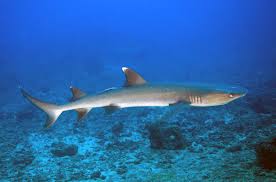
White Tip Reef Shark Triaenodon obesus
Out of stock
- Description
- Reviews
White Tip Reef Shark Behavior and Reef Presence
The White Tip Reef Shark stands out as one of the few shark species regularly seen resting on the reef. Divers across the Indo-Pacific often find them tucked into caves during the day, sometimes grouped together in the same space. This daytime behavior shifts completely after dark. As night falls, the White Tip Reef Shark becomes active and begins moving through the reef in search of food. That contrast between stillness and movement gives this fish species a unique rhythm in large aquariums. That behavior alone sets them apart from most large predatory species, especially when compared to other open-water species that rarely slow down.
Physical Traits of the White Tip Reef Shark
This species carries a clean, streamlined profile built for precision movement. Most individuals remain around five feet in length, though some can grow larger under ideal conditions.
Key features include:
- Slender body built for navigating tight spaces
- Short, broad head with strong bite control
- Distinct white tips on the dorsal and upper tail fin
Unlike many open-water sharks, it does not rely on constant swimming to breathe. It can pump water across its gills while resting, which makes long-term care in large, well-designed systems more realistic. As part of the sharks collection, the White Tip Reef Shark offers a different kind of presence in large aquariums. It spends daylight hours resting, then shifts into an active hunter after dark, moving through rockwork and open areas with precision.
White Tip Reef Shark Tank Requirements
This is a species that demands serious planning. Space, flow, and layout all play a role in long-term success.
- Minimum tank size: 2,000 gallons
- Recommended footprint: at least 12 feet long and 8–10 feet wide
- Open swimming space is critical, especially for nighttime activity
- Fine sand substrate helps protect the underside
All equipment must be carefully installed. Exposed heaters, pumps, or drains can damage the shark’s skin and fins. Flush-mounted or shielded setups reduce risk.
Strong water movement and high oxygen levels are essential. Pair this with robust biological filtration to handle the bio-load.
Important: Copper-based treatments must never be used.
Feeding and Hunting Behavior
The White Tip Reef Shark becomes most active during feeding periods. It uses its body shape to work through rock structures, locating prey with precision.
In the wild, it feeds on:
- Bony fish
- Crustaceans
- Cephalopods
In captivity, it adapts well to:
- Fresh or frozen squid
- Shrimp
- Whole marine fish
Feedings two to three times per week support steady health without overloading the system.
Building a System Around a White Tip Reef Shark
This species belongs in a large predator-focused setup. It is not reef safe and will prey on smaller fish and invertebrates.
When selecting tankmates, prioritize:
- Larger, non-aggressive species
- Fish that can handle open swimming environments
- Stable systems with minimal competition during feeding
White Tip Reef Shark Care Facts and Stats
- Care Level: Expert, large-system only
- Temperament: Calm with space; active predator during feeding
- Behavior: Rests in caves by day; hunts at night
- Color Pattern: Brown-gray body with white underside and fin tips
- Body Structure: Slender body with broad head and defined fin edges
- Diet Type: Carnivorous diet of fish, crustaceans, and cephalopods
- Reef Compatibility: Not suitable for reef aquariums
- Water Conditions: 75–82°F | 1.025 salinity | pH 8.1–8.3
- Maximum Size: Up to 7 feet; commonly around 5 feet in captivity
- Origin Region: Indo-Pacific
- Tank Requirement: 2,000 gallons minimum; larger custom systems preferred
Reviews
There are no reviews yet.