



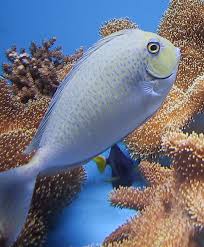
Spotted Unicorn Tang Naso brevirostris
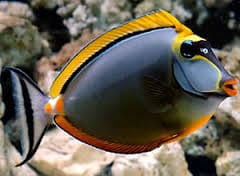
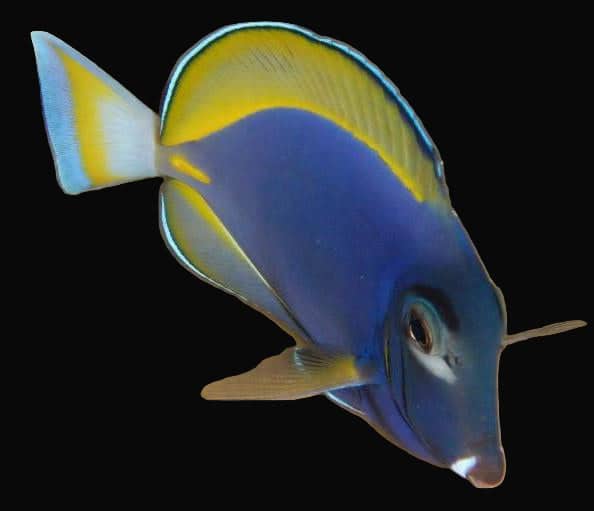
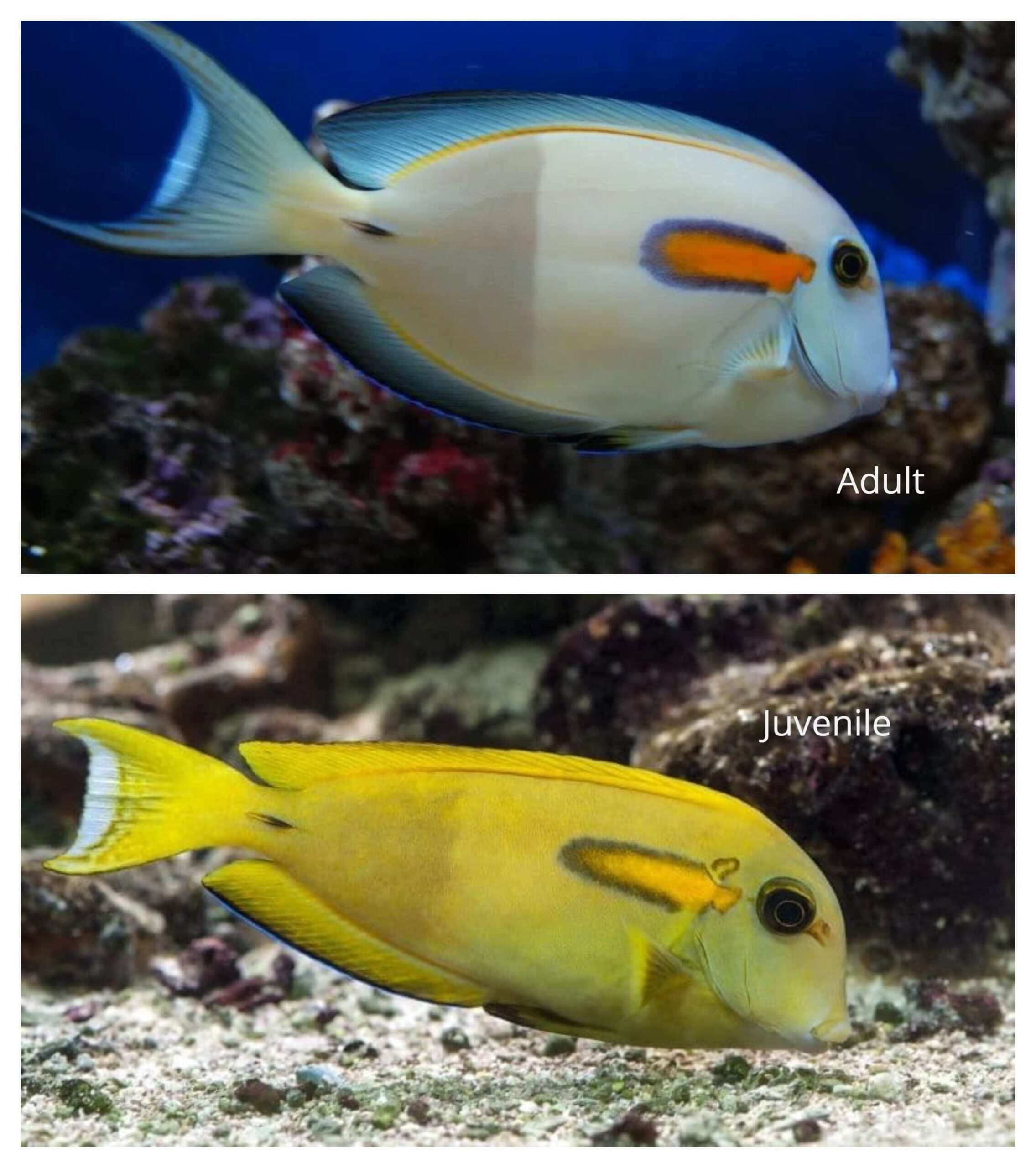
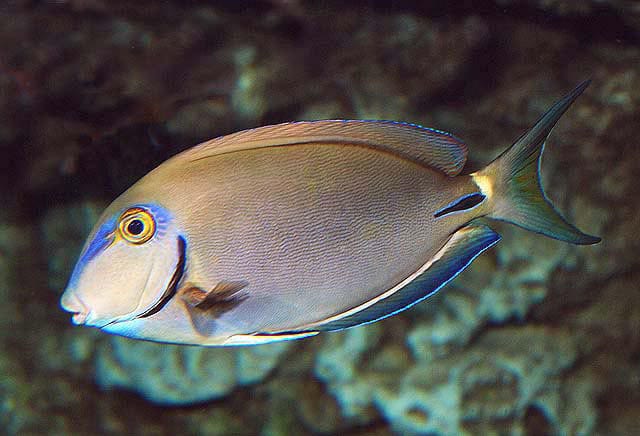
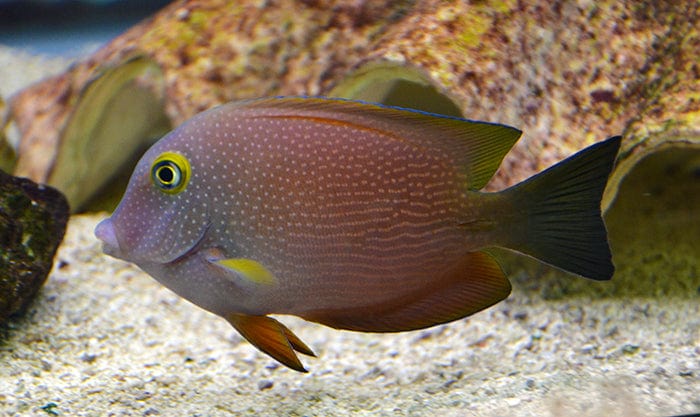
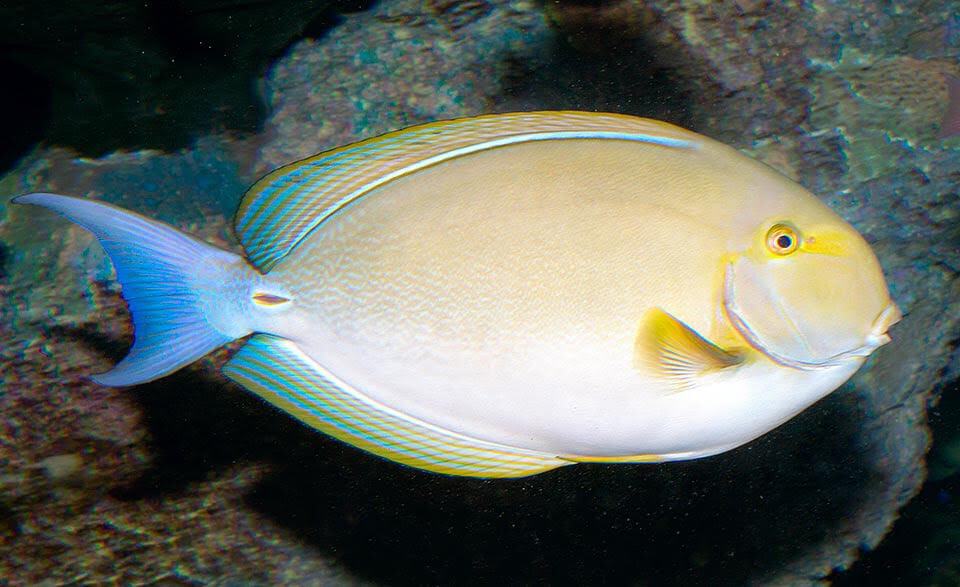
- Description
- Additional Information
- Reviews
Spotted Unicorn Tang A Unicorn In the Reef-Safe Space
The Spotted Unicorn Tang stands out the moment it enters a reef tank. Its muted gray body carries scattered turquoise spotting that almost glows under proper lighting. A subtle horn begins forming as it matures, giving this species its unmistakable silhouette. Many hobbyists looking through a curated selection of marine fish for reef systems often pause on this one because it feels different from the typical tang.
This Tang species brings movement and presence rather than constant aggression. It spends much of its time cruising open water zones, especially in larger aquariums with strong flow. Unlike smaller tangs that hug rockwork, this fish prefers space and will use the full length of the tank once settled.
Spotted Unicorn Tang Natural Habitat and Behavior
In the wild, this species ranges across the Indo-Pacific, including reef slopes, outer lagoons, and current-heavy drop-offs. Juveniles stay closer to structure and graze algae, while adults transition toward open water feeding patterns.
Small groups are common, though large schools form in areas with strong ocean movement. That schooling instinct translates into a calm but active presence in captivity when housed properly.
Growth, Size, and Tank Considerations
This is not a small tang by any measure. As it matures, it demands space both horizontally and vertically.
- Maximum Size: Up to 24 inches
- Recommended Tank: 180 gallons minimum for juveniles, significantly larger long-term
- Swimming Style: Open water cruiser
- Temperament: Generally peaceful but dominant with similar species
Because of its eventual size, this species fits best in large reef systems or fish-only setups designed for long-term growth.
Unique Features of the Spotted Unicorn Tang
The defining trait of this fish is the horn-like projection on its forehead. It starts as a small bump and becomes more pronounced with age, especially in males. This structure likely plays a role in social interaction and dominance displays.
Coloration also shifts subtly depending on mood and environment. Some individuals show stronger spotting, while others lean toward faint patterning with more uniform tones.
Care Stats and Facts
- Scientific Name: Naso brevirostris
- Common Name: Spotted Unicornfish
- Family: Acanthuridae
- Care Level: Moderate
- Temperament: Semi-peaceful
- Reef Compatible: Yes (with caution for smaller tank mates)
- Diet: Omnivore (algae and plankton-based)
- Maximum Size: 24 inches
- Minimum Tank Size: 180+ gallons
- Temperature: 75–82°F
- pH: 8.1–8.4
- Specific Gravity: 1.020–1.025
Scientific Insight and Identification
Research referenced through FishBase (Naso brevirostris) highlights the species’ reef-associated behavior, depth range, and feeding transitions from benthic algae to planktonic diets. These insights align closely with what aquarists observe in large, well-established systems.
Approximate Purchase Sizing:
- Small: 1.75 to 2.25 inches
- Small-Medium: 2.26 to 3 inches
- Medium: 3.1 to 4 inches
- Medium-Large: 4 to 4.5 inches
- Large: 4.6 to 5.3 inches
- XL: 5.31 to 5.6 inches
- XXL: 5.6 to 6 inches
- Show Size: 6 to 8 inches
- Jumbo: 10+ inches (rare)

Reviews
There are no reviews yet.