





Male Sacura Anthias (Japan) - Sacura margaritacea
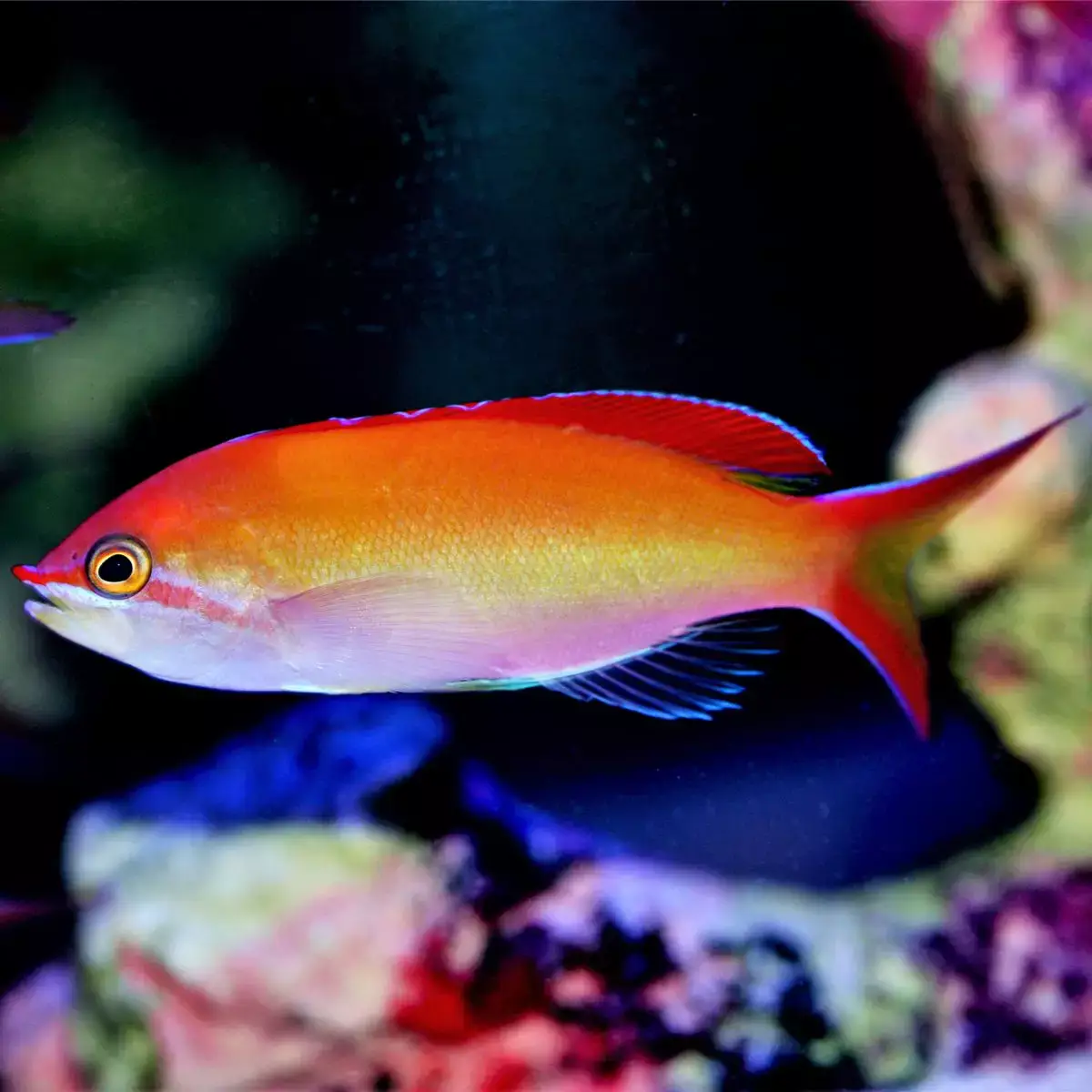
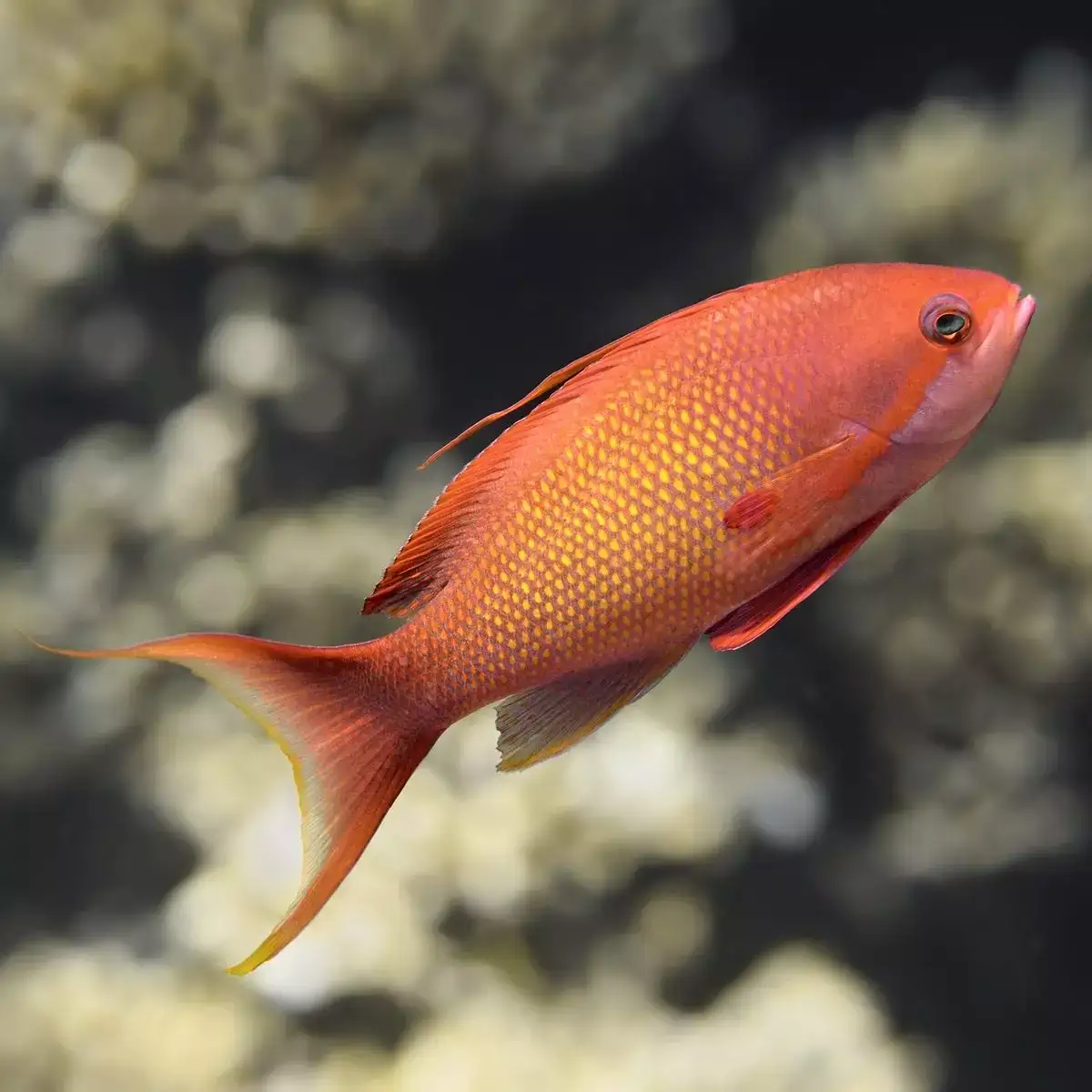
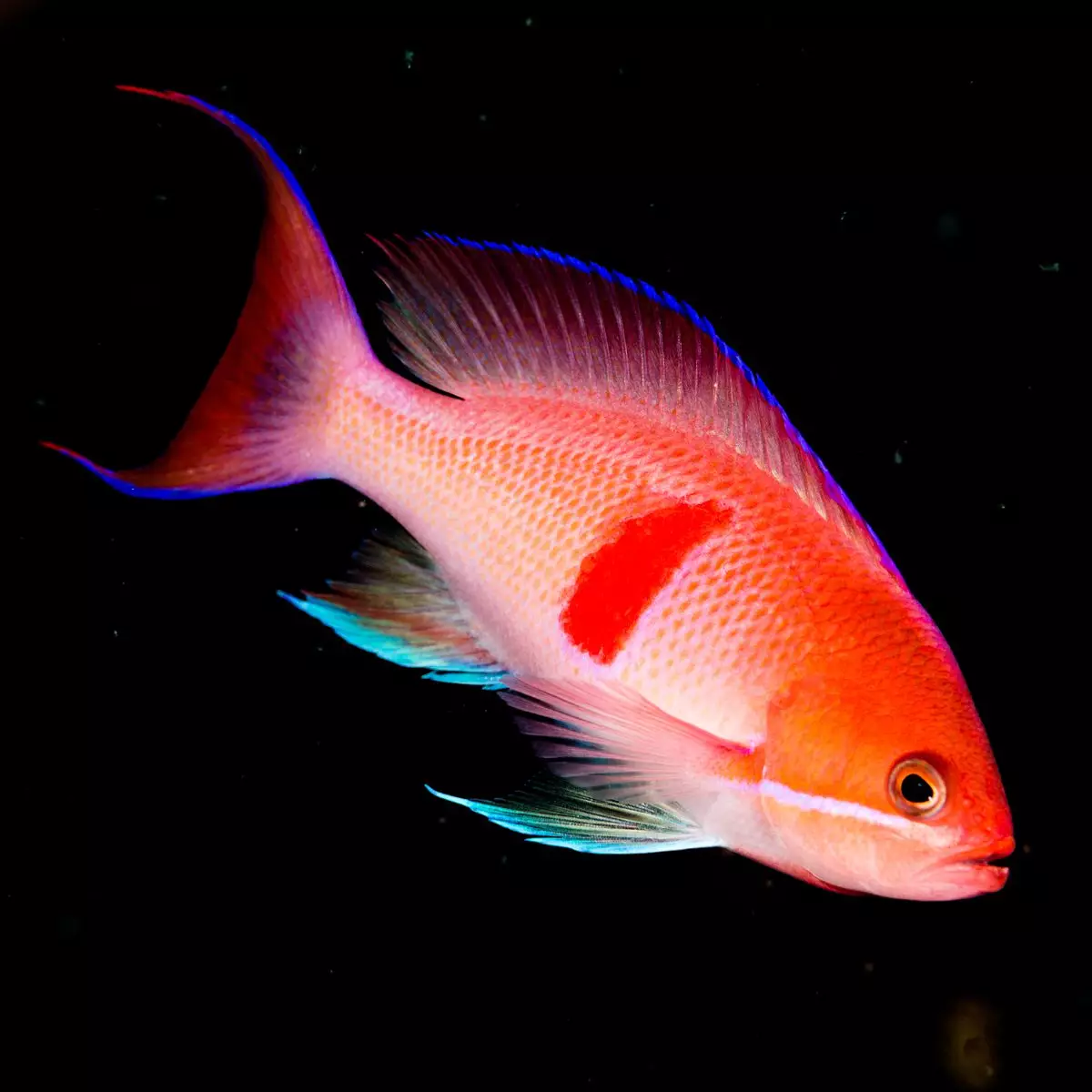
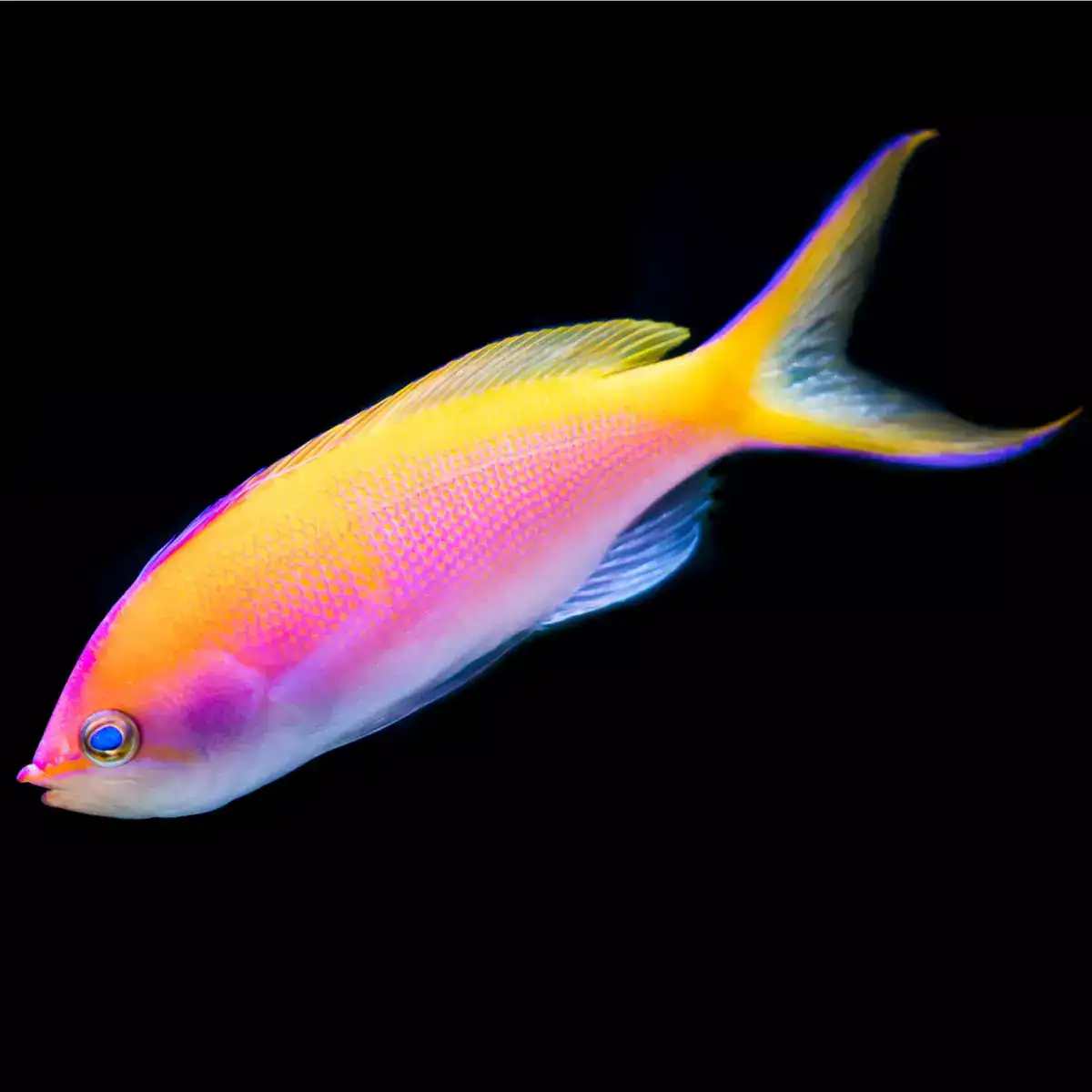
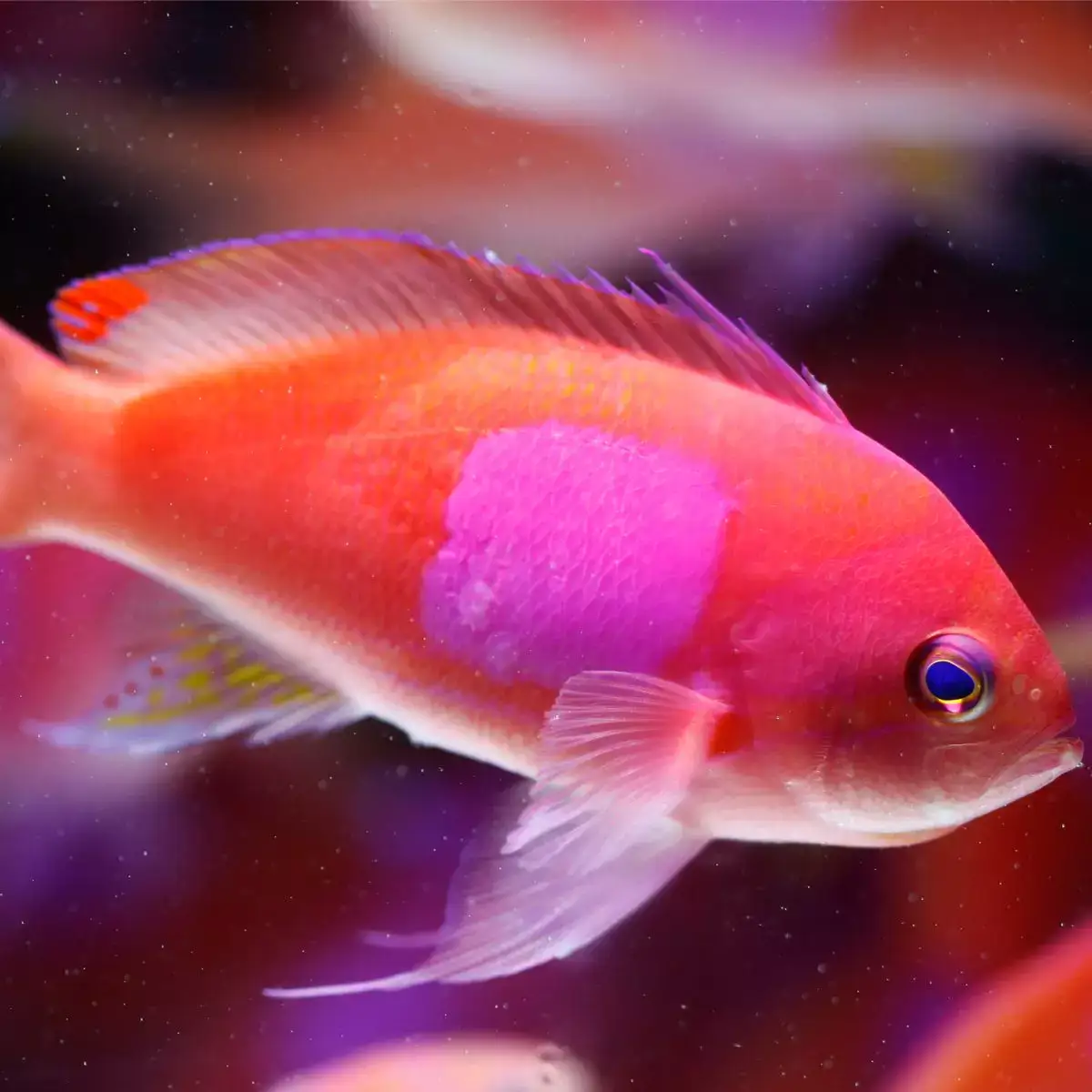
The Male Sacura Anthias (Sacura margaritacea) from Japan is a striking reef fish known for its rich pink to reddish-orange coloration, pearly spotting, and more pronounced adult patterning than the female. Naturally found in rocky reef habitats and social groups, this planktivorous species is best suited for mature marine aquariums with stable water quality, secure shelter, and multiple small feedings throughout the day.

- Description
- Reviews
Sacura Anthias Male – Japan – Sacura margaritacea Care Guide
The Male Sacura Anthias (Sacura margaritacea) from Japan is a colorful and distinctive reef fish prized for its vivid pink to reddish-orange coloration, pearly spotting, and stronger adult patterning than females. Mature males develop deeper color saturation and a more dramatic overall appearance, making them excellent focal fish in established reef aquariums.
Sacura margaritacea is native to the western Pacific and occurs naturally in Japan, Korea, Taiwan, and New Caledonia. The species is typically associated with rocky reef habitats and is known to occur in social groups.
The Japan designation on this listing reflects a natural geographic origin for the species rather than a separate color morph.
Male Sacura Anthias Appearance
Male Sacura margaritacea typically display stronger pink, red, orange, and rosy coloration than females, often with distinctive pale or pearly spotting across portions of the body.
Mature males generally become larger and more intensely patterned than females, with stronger contrast across the body and fins.
Exact coloration and spotting can vary naturally between individual specimens, maturity, social status, and aquarium lighting.
Male and Female Differences
Sacura Anthias are sexually dimorphic, meaning mature males and females differ noticeably in coloration and size.
Males generally become larger and more intensely colored, while females remain smaller and display softer pink-orange tones.
Because of this contrast, a mature male can stand out dramatically when maintained with compatible females in a social group.
Behavior and Temperament
The Male Sacura Anthias is generally considered peaceful to moderately assertive. It is an active planktivore that spends much of its time swimming above reef structure and feeding from the surrounding water column.
Males may display social dominance toward females or other males, especially in confined aquariums.
In sufficiently large systems, one male with several females generally provides a natural and visually attractive social arrangement.
Natural Habitat and Japanese Origin
Sacura margaritacea is native to the western Pacific, including Japan, Korea, Taiwan, and New Caledonia.
The species has been recorded from approximately 15 to 50 meters deep and is associated with rocky marine habitats.
Groups may gather above rocky reef structure where individuals feed on plankton carried through the water column.
Male Sacura Anthias Aquarium Setup
A mature aquarium of approximately 90 gallons or larger is recommended for a single male, with larger systems preferred for groups.
Provide broad swimming lanes together with caves, ledges, rocky overhangs, and shaded retreat areas.
Moderate circulation, excellent oxygenation, mature biological filtration, and stable water chemistry are important for long-term care.
Sacura Anthias Diet and Feeding
The Sacura Anthias is primarily a planktivorous carnivore that feeds on small zooplankton and other suspended marine foods.
Recommended foods include:
- Mysis shrimp
- Enriched brine shrimp
- Copepods
- Calanus and other small planktonic foods
- Frozen plankton blends
- Finely chopped marine seafood
- Small high-quality marine pellets
- Fine marine flakes once accepted
Offer multiple small meals throughout the day whenever possible. Frequent feeding better matches the natural feeding behavior of anthias and helps maintain healthy body condition and strong coloration.
Is the Male Sacura Anthias Reef Safe?
The Male Sacura Anthias is generally considered reef safe. It feeds primarily on planktonic prey and is not expected to damage corals, clam mantles, or other sessile reef invertebrates.
Its reef-safe feeding behavior makes it well suited for mature coral-focused aquariums.
Keeping Male Sacura Anthias in Groups
Sacura Anthias can be maintained singly or in compatible social groups when sufficient aquarium space is available.
One mature male with several females generally creates the most natural arrangement and allows the contrasting coloration of both sexes to be displayed.
Multiple mature males may become territorial, so additional males should be monitored carefully in anything other than a very large aquarium.
Suitable Tankmates for Male Sacura Anthias
Suitable tankmates may include:
- Clownfish
- Fairy and flasher wrasses
- Cardinalfish
- Gobies
- Blennies
- Peaceful dwarf angelfish
- Other compatible anthias
- Other calm reef fish
Avoid highly aggressive tankmates that may intimidate the anthias or prevent it from feeding consistently.
Male Japan Sacura Anthias Care Facts
- Care Level: Moderate
- Temperament: Peaceful to Moderately Assertive
- Diet: Planktivorous Carnivore
- Reef Compatible: Yes
- Minimum Tank Size: Approximately 90 gallons
- Maximum Size: Approximately 5 inches
- Sex: Male
- Regional Origin: Japan
- Natural Range: Western Pacific
- Natural Depth: Approximately 15–50 meters
- Family: Anthiadidae
- Scientific Name: Sacura margaritacea
- Common Name: Sacura Anthias
Recommended Water Parameters
- Temperature: 70–76°F
- Specific Gravity: 1.020–1.025
- pH: 8.1–8.4
- Alkalinity: 8–12 dKH
Approximate Purchase Size
- Small: Approximately 2"–3"
- Medium: Approximately 3"–4"
- Large: Approximately 4"–5"
Actual purchase size, coloration, spotting, and fin development may vary between individual specimens.
Why Choose a Male Japanese Sacura Anthias?
The Male Sacura Anthias combines vivid coloration, pearly spotting, reef-safe feeding behavior, and a documented Japanese origin in an uncommon marine fish.
Mature males develop a stronger and more dramatic appearance than females, making them excellent centerpiece fish in appropriately sized reef aquariums.
For mature systems with stable water quality, frequent feeding, and compatible tankmates, Sacura margaritacea can be a distinctive addition to a reef display.
Frequently Asked Questions About Male Sacura Anthias
What is the correct scientific name for the Sacura Anthias?
The accepted scientific name is Sacura margaritacea.
What does a male Sacura Anthias look like?
Mature males typically display stronger pink, red, and orange coloration with pale or pearly spotting and greater overall contrast than females.
How large does a male Sacura Anthias get?
Male Sacura margaritacea can reach approximately 5 inches in length and generally grow larger than females.
Where is the Sacura Anthias found naturally?
The species occurs in the western Pacific, including Japan, Korea, Taiwan, and New Caledonia.
How deep does the Sacura Anthias live?
The species has been recorded from approximately 15 to 50 meters deep in rocky marine habitats.
What size aquarium does a Male Sacura Anthias need?
A mature aquarium of approximately 90 gallons or larger is recommended for a single male, with additional space preferred for social groups.
Is the Male Sacura Anthias reef safe?
Yes. It is a plankton-feeding species and is generally considered reef safe.
What should I feed a Male Sacura Anthias?
Offer several small meals throughout the day containing mysis shrimp, enriched brine shrimp, copepods, Calanus, frozen plankton, and other appropriately sized marine foods.
Can a male Sacura Anthias be kept with females?
Yes. One male with several females can create a natural social arrangement in a sufficiently large aquarium with ample shelter and feeding opportunities.
What does Japan mean on this listing?
Japan identifies the geographic origin associated with this specimen and is part of the documented natural range of Sacura margaritacea.

Reviews
There are no reviews yet.