Parvirostris Sunset Anthias Female Pseudanthias parvirostris: Midwater Color and Movement for Reef Systems
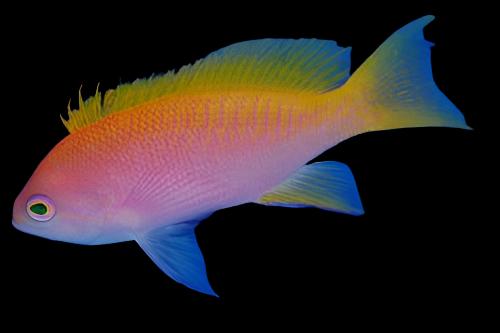
The Parvirostris Sunset Anthias Female Pseudanthias parvirostris introduces vibrant motion and warm coloration into established marine Fish collections. It maintains steady midwater activity, which adds energy without overwhelming the overall balance of the aquarium environment.
Parvirostris Sunset Anthias Behavior and Schooling Dynamics
The Sunset Anthias thrives in groups, where social structure supports natural swimming patterns and reduces stress levels. As a result, it spends most of its time in open water while occasionally retreating to rockwork for shelter. However, maintaining a proper ratio of one male to several females improves stability and reduces territorial disputes. Therefore, aquarists should plan group composition carefully before introducing multiple individuals into the same system.
Color Profile of Parvirostris Sunset Anthias Female
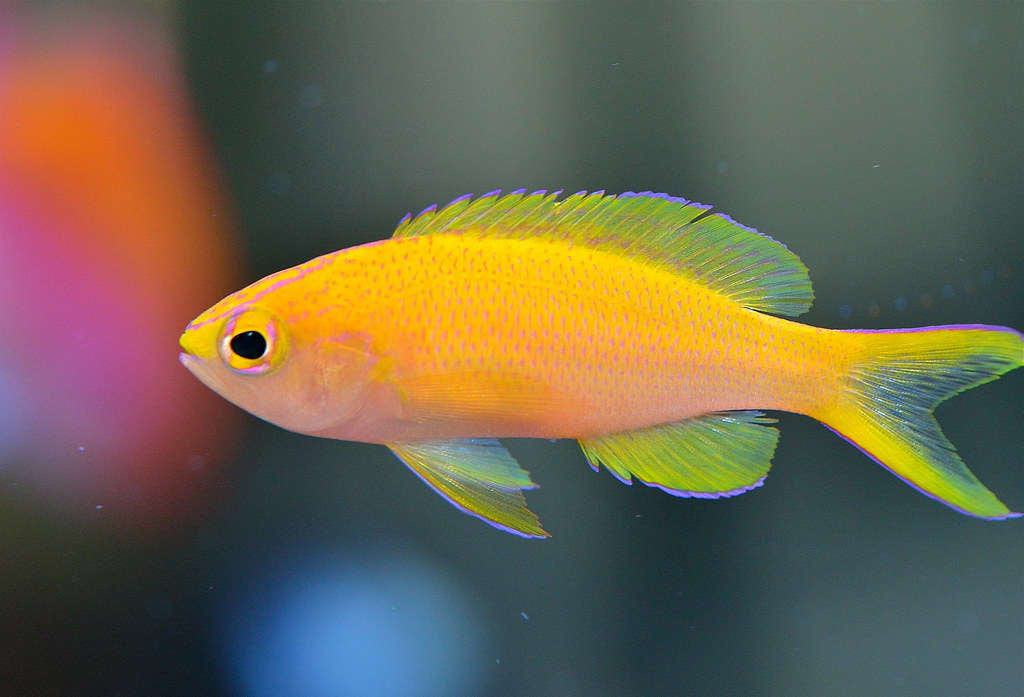
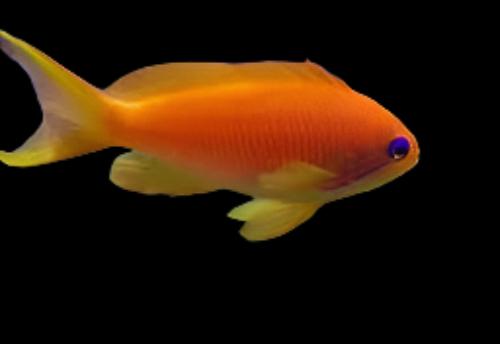
This species displays a predominantly golden-yellow body accented with soft red highlights along the fins and tail.
Under reef lighting, these tones intensify, creating a warm contrast against rockwork and coral structures.
Additionally, subtle shading variations appear depending on diet quality and water clarity over time.
Because of this, consistent care helps maintain its vibrant and natural coloration.
Aquarium Setup for Parvirostris Sunset Anthias Female
Proper setup supports long-term health, especially since this species prefers stable conditions and consistent feeding opportunities. Focus on open swimming zones paired with caves and ledges to balance visibility and security.
Recommended setup includes:
- Provide at least 75 gallons for a single fish
- Use 125 gallons or larger for groups
- Include rock structures with multiple hiding points
- Maintain moderate to strong water flow
- Keep lighting consistent to reduce stress
Feeding Strategy for Sunset Anthias Success
The Sunset Anthias requires frequent feeding to match its active metabolism and constant swimming behavior. Offer a varied diet that includes frozen mysis shrimp, enriched brine shrimp, and high-quality prepared foods. Additionally, feeding smaller portions multiple times daily supports energy levels and reduces competition within groups. A refugium with copepods and amphipods further enhances nutrition and encourages natural feeding behavior.
Available Size Options
- Small: 0.5 to 1.25 inches
- Medium: 1.25 to 2.25 inches
- Large: 2.25 to 3 inches
Parvirostris Sunset Anthias Female Specifications
- Care Level: Moderate
- Temperament: Peaceful to semi-aggressive within groups
- Color Form: Yellow body with red fin accents
- Diet: Carnivore and planktivore
- Reef Compatible: Yes
- Water Conditions: 72–78°F, pH 8.1–8.4, salinity 1.023–1.025
- Max Size: Up to 3 inches
- Origin: Indo-Pacific reef zones
- Family: Serranidae
- Minimum Tank Size: 75 gallons (125 gallons for groups)
Why Parvirostris Sunset Anthias Female Stands Out in Reef Aquariums
This species continues to gain attention because it combines schooling behavior with manageable size and strong visual appeal.
It adapts well to reef systems that provide stable water conditions and consistent feeding schedules.
Furthermore, its midwater swimming pattern adds depth and dimension to aquarium layouts without disrupting bottom-dwelling species.
With proper planning, it becomes a reliable addition to both mixed reefs and anthias-focused systems.
Frequently Asked Questions About Parvirostris Sunset Anthias Female
How many Sunset Anthias should be kept together?
Keep one male with several females to support natural hierarchy and reduce aggression within the group.
How often should this species be fed?
Feed small portions multiple times daily to match its high metabolism and constant swimming activity.
Is this species reef safe?
Yes, it is reef compatible and does not typically disturb corals or invertebrates.
Can it live with other peaceful fish?
It coexists well with non-aggressive species that do not compete heavily for food or territory.
What makes this anthias species unique?
Its warm coloration, schooling behavior, and midwater presence create movement and visual balance within reef aquariums.




Reviews
There are no reviews yet.