



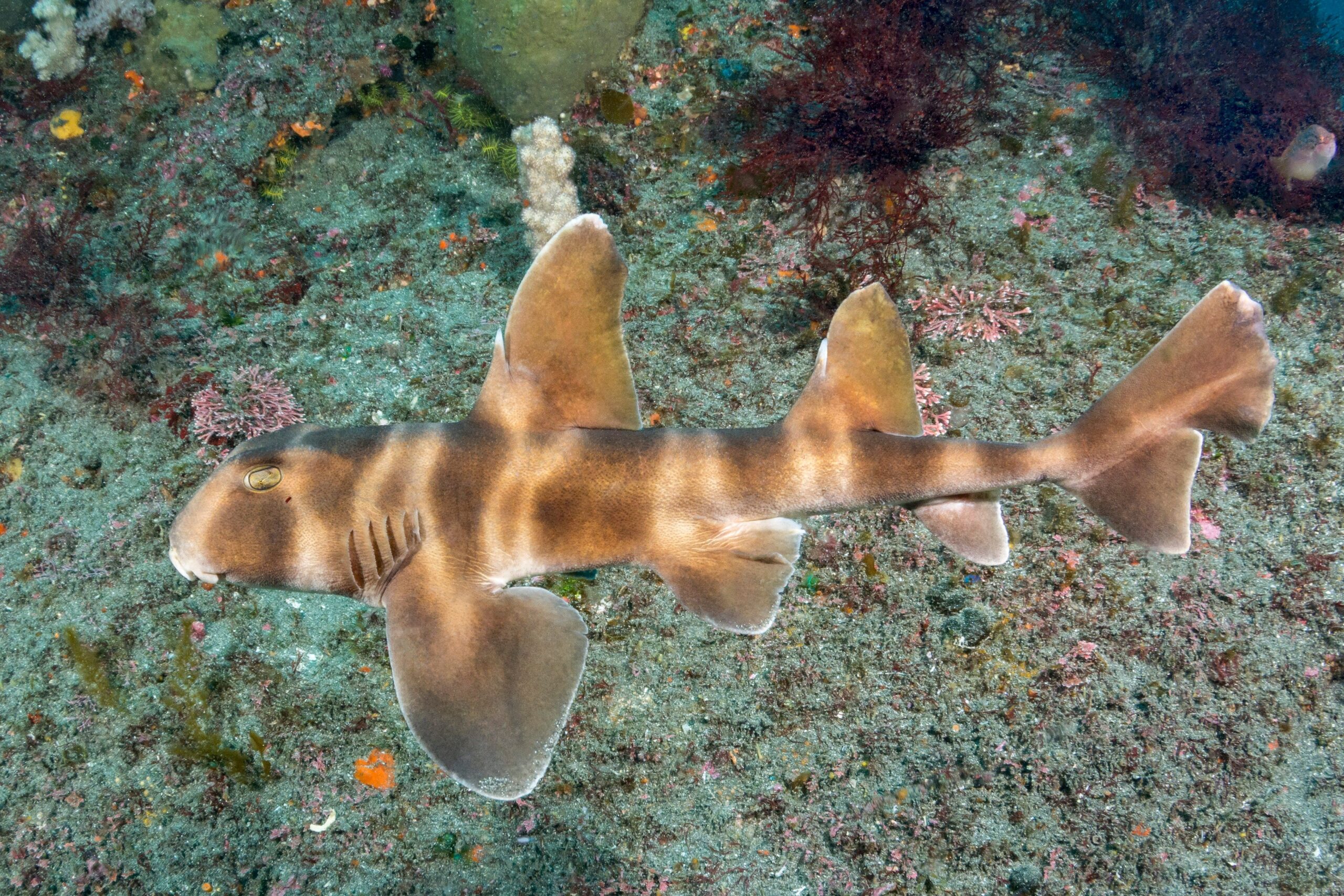

Japanese Horn Shark Heterodontus japonicus
$3,999.98
Out Of Stock
Out of stock
Japanese Horn Shark Heterodontus japonicus stays close to the substrate and uses controlled movement to navigate rock and sand environments. This shark requires a large aquarium, stable salinity, and a diet of meaty marine foods to support long-term health.
Related Products

- Description
- Reviews
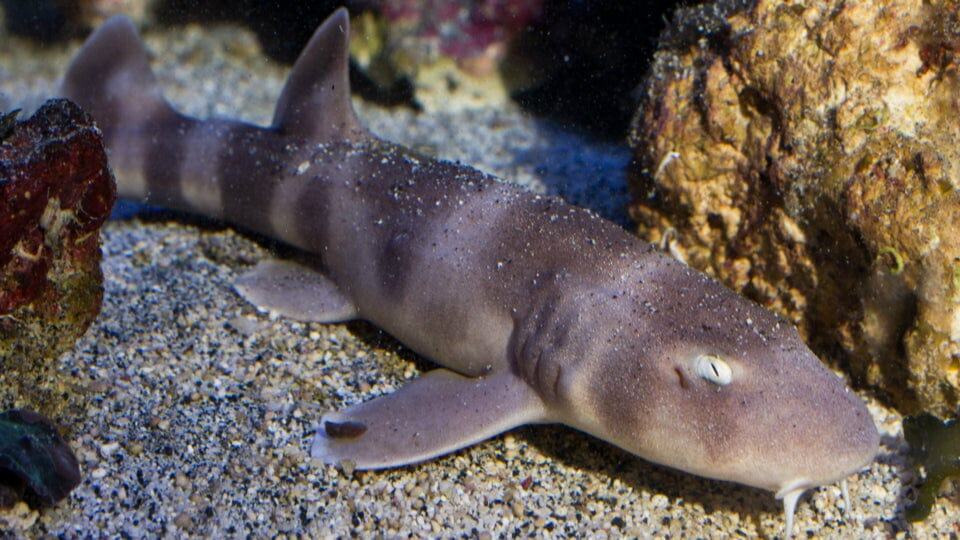
Japanese Horn Shark Heterodontus japonicus Substrate Movement and Nocturnal Hunting Behavior
Japanese Horn Shark Heterodontus japonicus spends most of its time along the aquarium floor, using its pectoral fins to push across sand and rock surfaces. Its body shows a mix of darker spotting over a tan base, which helps it blend into rocky environments. Within the shark family, this species relies more on structure and concealment than open swimming.Environment Setup and Shelter Needs
This shark depends on stable rockwork and shaded areas to feel secure. During the day, it remains hidden inside crevices that match its coloration. As lighting decreases, activity increases. For this reason, aquariums should include caves, low-light zones, and a soft substrate to prevent irritation along the underside.Feeding Approach and Tankmate Selection
This species targets slow-moving, bottom-dwelling prey. Because of this, crustaceans and similar invertebrates will be consumed. While it ignores most larger fish, it will actively hunt anything it can overpower. A steady feeding schedule using shrimp, squid, and marine flesh helps maintain consistent condition.Care and Environmental Specifications
- Care Requirement: Advanced experience required
- Color Pattern: Tan body with dark spotting and lighter underside
- Feeding Type: Carnivorous, focused on hard-shelled prey
- Alkalinity Range: 8–12 dKH
- Family Group: Heterodontidae
- Max Adult Size: Up to 48 inches
- Minimum Aquarium Size: 500+ gallons
- pH Stability: 8.1–8.4
- Reef Compatibility: Not suitable for reef systems
- Salinity Range: 1.020–1.025 specific gravity
- Temperament: Predatory and territorial
- Temperature Range: 65–75°F
- Venom Status: Non-venomous
Reviews
There are no reviews yet.