Horn Shark Behavior and Daily Rhythm
The Horn Shark brings a surprising attitude for its size. It stays calm, steady, and completely unbothered by what’s happening around it. Instead of constantly swimming like many other species, this shark prefers to settle in and hold its ground.
One of its most unique traits is how it breathes. It does not rely on continuous movement to push water across its gills. Instead, it pumps water while resting, often tucked into a rock crevice for most of the day.
Resting Habits and Tank Presence of the Horn Shark
During daylight hours, the Horn Shark keeps a low profile. It wedges itself into rockwork and remains still, almost disappearing into the aquascape. This behavior gives it a relaxed, almost indifferent presence in the aquarium.
Because of this, it does not demand constant open swimming space in the same way more active species do. It creates a balanced dynamic between structure and movement within the tank.
Nocturnal Hunting and Feeding Behavior
Once the lights go down, everything changes. The Horn Shark becomes active and begins to explore its surroundings with purpose.
It feeds on hard-shelled prey such as sea urchins, crustaceans, and mollusks. Its rear teeth are built like crushers, designed to break through tough shells with ease. This feeding style sets it apart from many other marine fish.
Given time to settle in, this behavior becomes one of the most interesting aspects to observe. Watching it shift from a motionless daytime resident to an active nighttime hunter adds a completely different layer to the aquarium.
Why the Horn Shark Stands Out
The real appeal comes from contrast. Its smaller size suggests a more active swimmer, yet it behaves in a slow, deliberate, and self-contained way.
That combination of low daytime activity and powerful nighttime feeding makes it a unique addition to a properly planned system.
For aquarists building around this species, exploring other compatible saltwater sharks for larger marine fish for a full, larger aquarium system.
**PLEASE NOTE**: In almost all cases, Sharks have to be pre-ordered or will include additional shipping charges due to their larger nature. Please contact us if you plan to make a purchase of a Shark
Setting Up the Right Horn Shark Environment
Horn Sharks need a minimum of 300–500 gallons as adults, and that's a firm floor, not a suggestion. The tank footprint matters more than height — these fish live on the bottom, and they need width and length to move naturally. Fine, soft sand substrate is non-negotiable; a coarser bed will abrade their underside over time, leading to infections that are difficult to treat. Build a stable, secured rockwork structure with caves and overhangs, because this species will actively seek darkness during daylight hours. Keep decor locked down tight — they will dislodge things.
Temperature should stay between 59–72°F (15–22°C). Horn Sharks are a cool-water species, so a chiller is often required in warmer climates. They are highly sensitive to copper-based medications; never introduce copper into their system. Strong, well-oxygenated filtration is essential given their waste output.
Feeding
When first acclimated, offer pungent foods like fresh squid or live saltwater feeder shrimp to trigger a feeding response. Once eating, they will take shrimp, scallops, chopped marine fish, clams, and crab. Feed 3 times per week to satiation. Always use a feeding stick — they have powerful jaws and won't distinguish a hand from a meal when food is involved.
Care Facts and Stats
- Care Level: Expert
- Behavior: Solitary, nocturnal, slow-moving bottom dweller; docile except during feeding
- Scientific Name: Heterodontus francisci
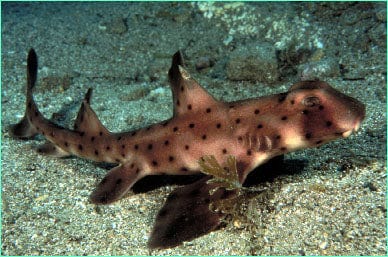
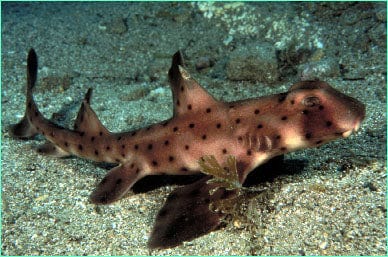
- Coloration: Tan to gray-brown with scattered small dark brown or black spots; pale yellowish underside
- Body Form: Stocky, cylindrical; blunt flattened snout; two prominent dorsal spines; ridges above eyes
- Feeding Type: Carnivore — hard-shelled invertebrates, crustaceans, small fish, mollusks
- Reef Safe: No, it will consume invertebrates and may topple unsecured rockwork
- Water Parameters: 59 to 72 degrees Farenheit, 8. 1to 8.1 pH, no copper
- Maximum Size: Up to 48 inches (4 feet)
- Geographic Origin: Eastern Pacific — California coast to Gulf of California (Mexico)
- Family Classification: Heterodontidae
- Minimum Tank Size: 300 gallons
- Maximum Recommended Tank Size: 500+ gallons for adult long-term keeping
Approximate Purchase Size
The purchase size of the Horn Shark is variable, please contact us for current sizing as it can fluctuate on a monthly basis.




Reviews
There are no reviews yet.