



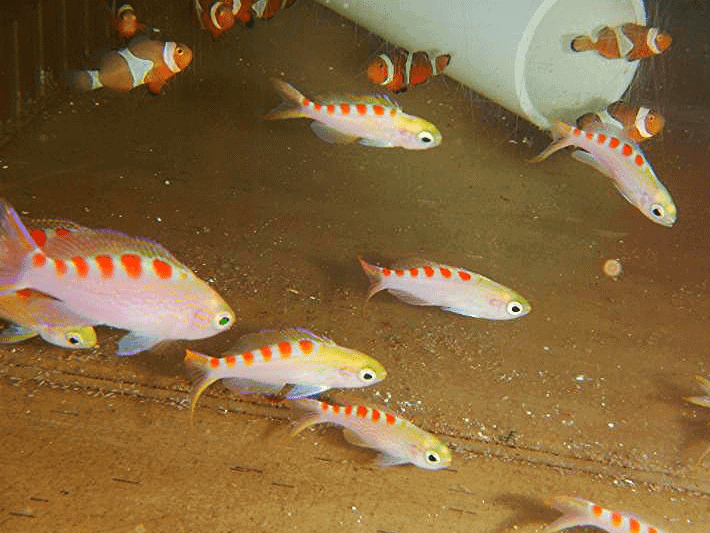
Flavoguttatus Anthias Pseudanthias flavoguttatus
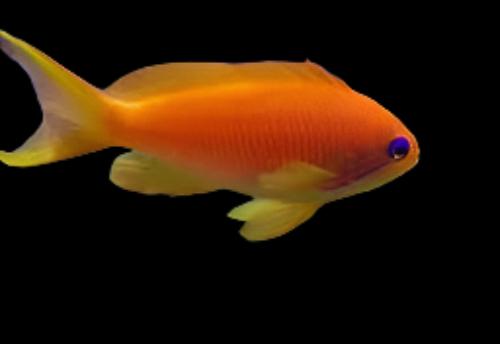

- Description
- Additional Information
- Reviews
Flavoguttatus Anthias Pseudanthias flavoguttatus: A Rare Reef Showpiece with Natural Movement
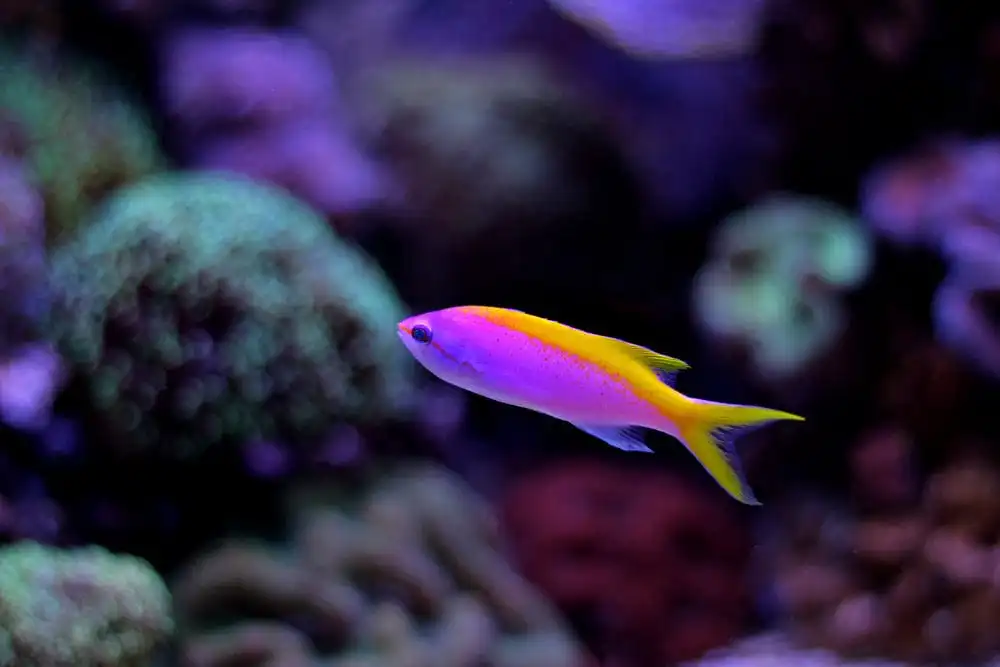
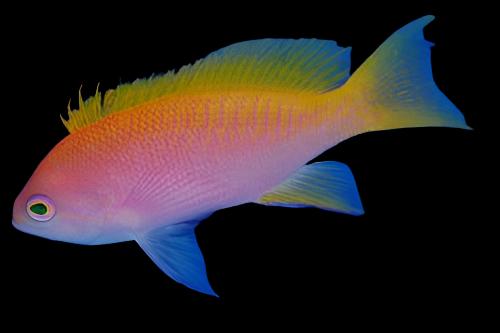
The Flavoguttatus Anthias Pseudanthias flavoguttatus brings striking motion and layered color to saltwater Fish systems. Bright yellow highlights contrast soft pink tones, creating a look that stands out without overpowering the aquascape. Additionally, this species stays reef-safe, making it a strong fit for mixed reef environments.
Flavoguttatus Anthias Behavior and Reef Compatibility
The Flavoguttatus Anthias delivers constant midwater activity while maintaining a calm presence among other Anthias species. Unlike aggressive fish, it avoids conflict and instead focuses on schooling behavior and open-water movement. As a result, it blends well into peaceful reef communities.
- Peaceful toward non-aggressive tank mates
- Ignores corals and sessile invertebrates
- Thrives in small social groups
- Displays natural shoaling patterns
Habitat Setup for Flavoguttatus Anthias Pseudanthias flavoguttatus
To support the Flavoguttatus Anthias Pseudanthias flavoguttatus, create a balanced environment with both shelter and swimming space. Start with live rock structures, then build caves and shaded overhangs. Meanwhile, leave open areas for active swimming.
- Use layered rockwork for depth and protection
- Provide shaded zones for comfort during acclimation
- Maintain strong oxygen exchange with surface agitation
- Keep moderate to strong water flow
Acclimation Tips for Flavoguttatus Anthias Success
The Flavoguttatus requires careful acclimation due to its deepwater origin and collection conditions. Initially, reduce lighting intensity and limit stress during quarantine. Over time, the fish adapts to brighter reef lighting and stable tank conditions.
- Introduce before aggressive or territorial species
- Dim lights during initial adjustment period
- Monitor feeding response early
- Maintain stable salinity and temperature
Feeding Strategy for Flavoguttatus Anthias
The Flavoguttatus Pseudanthias feeds actively throughout the day, so frequent small meals improve long-term health. Therefore, offer a varied diet to support coloration and energy levels.
- Frozen mysis shrimp
- Enriched brine shrimp
- Finely sized marine pellets
- Occasional live copepods
Additionally, a refugium can supply natural plankton, which supports continuous grazing behavior.
Flavoguttatus Anthias Key Specifications
- Care Level: Moderate to Advanced
- Temperament: Peaceful, social within groups
- Color Form: Pink body with yellow spotting and highlights
- Diet: Carnivore (planktivore)
- Reef Compatible: Yes
- Water Conditions: 72–78°F, pH 8.1–8.4, salinity 1.023–1.025
- Max Size: Approximately 3 inches
- Origin: Western Pacific deep reef zones
- Family: Serranidae
- Minimum Tank Size: 70 gallons
- Tank Requirements: Mature system with stable parameters, rockwork, and open swim space
Social Structure and Gender Dynamics in Anthias Groups
Like other Anthias, the Flavoguttatus Anthias follows a hierarchical social structure. Groups typically contain one dominant male and several females. If the male disappears, the largest female transitions naturally.
Why the Flavoguttatus Anthias Stands Out
The Flavoguttatus Pseudanthias remains uncommon due to its deepwater habitat and limited collection frequency. Because of this, it appeals to reef keepers looking for something less common yet highly functional in reef systems.
Frequently Asked Questions About Flavoguttatus Anthias
What makes the Flavoguttatus different from other of the same species?
Its yellow-spotted pattern and softer coloration create a distinct visual compared to more common Anthias species.
Can the Flavoguttatus live alone?
Yes, but it performs better in small groups where natural behavior becomes more visible.
How often should the Flavoguttatus be fed?
Feed small portions two to three times daily to match its active metabolism.
Is the Flavoguttatus reef safe?
Yes, it does not harm corals or invertebrates and fits well in reef aquariums.
Does this species require low lighting permanently?
No, it prefers lower light initially but adapts to stronger reef lighting over time.
Reviews
There are no reviews yet.