




Cortez Angelfish - Pomacanthus zonipectus


- Description
- Additional Information
- Reviews
Showcase the Cortez Angelfish Juvenile – Pomacanthus zonipectus
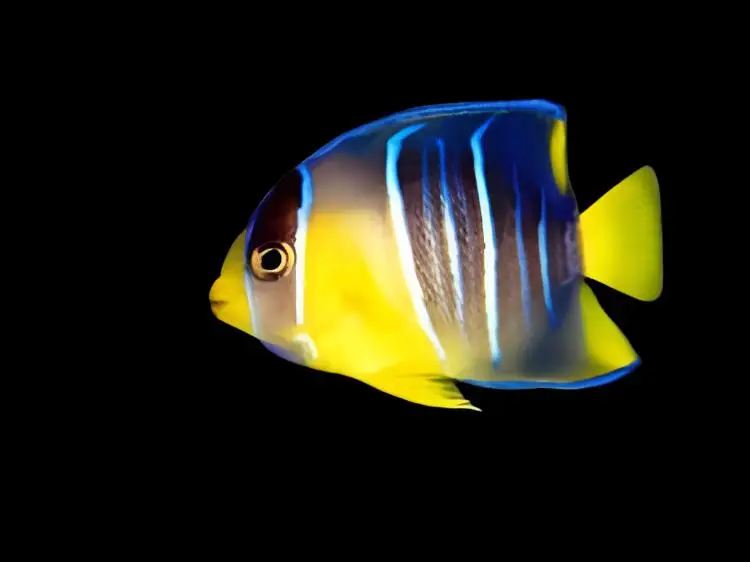
The Cortez Angelfish Juvenile captivates immediately with bold semicircle stripes and confident, agile movement. Moreover, it suits large, stable systems exceptionally well.
Cortez Angelfish Juvenile Appearance & Growth
First, the juvenile phase delivers intense contrast and precise banding that draws the eye. Then, as it matures, color and structure evolve dramatically.
Juvenile Highlights
-
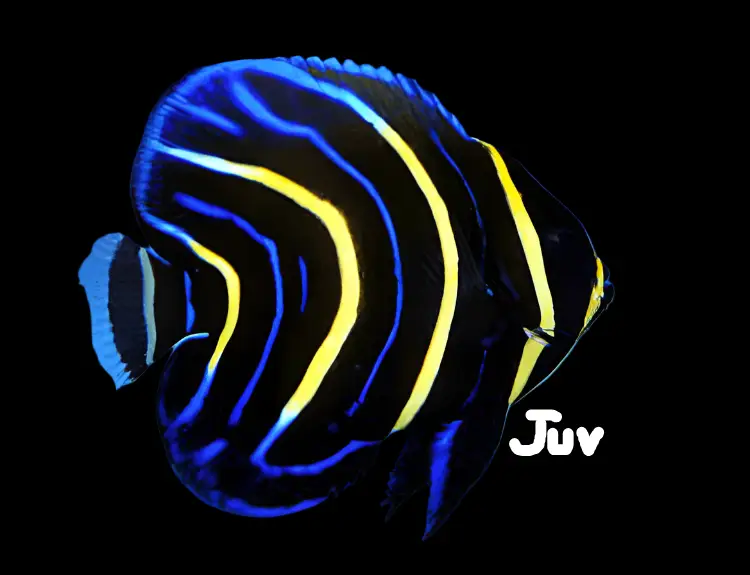
Displays black bodies with blue and yellow arcs.
-
Radiates crisp bands from tail toward head.
-
Swims actively and anchors visual focus.
Juvenile Size Options
-
Small: 1 to 1.75 inches
-
Medium: 1.75 to 2.25 inches
-
Large: 2.25 to 3 inches
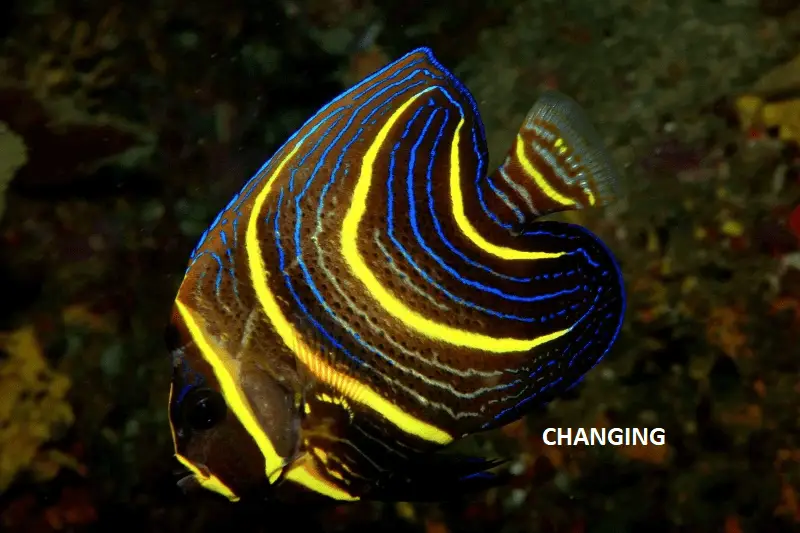
From Juvenile to Adult: What Changes
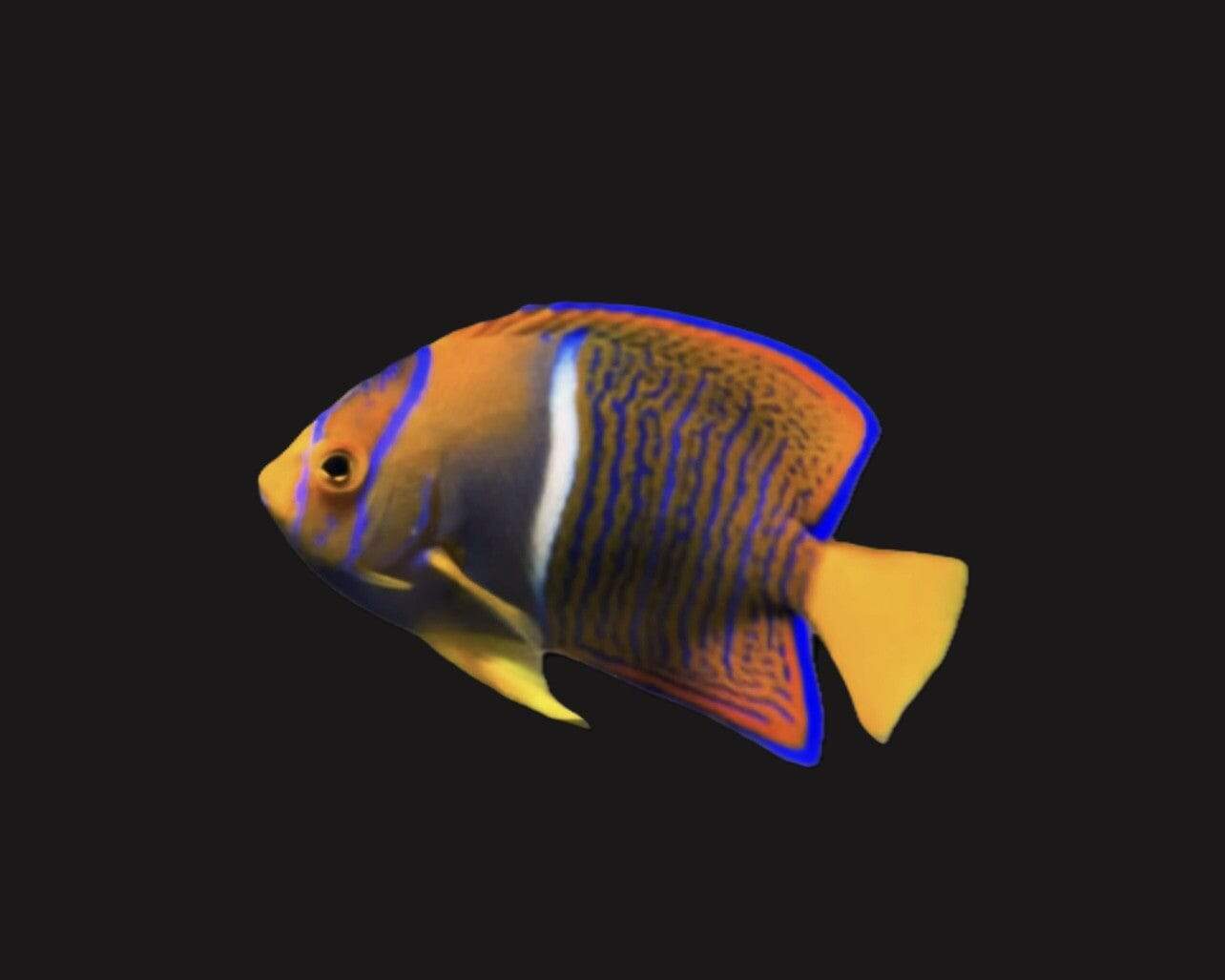
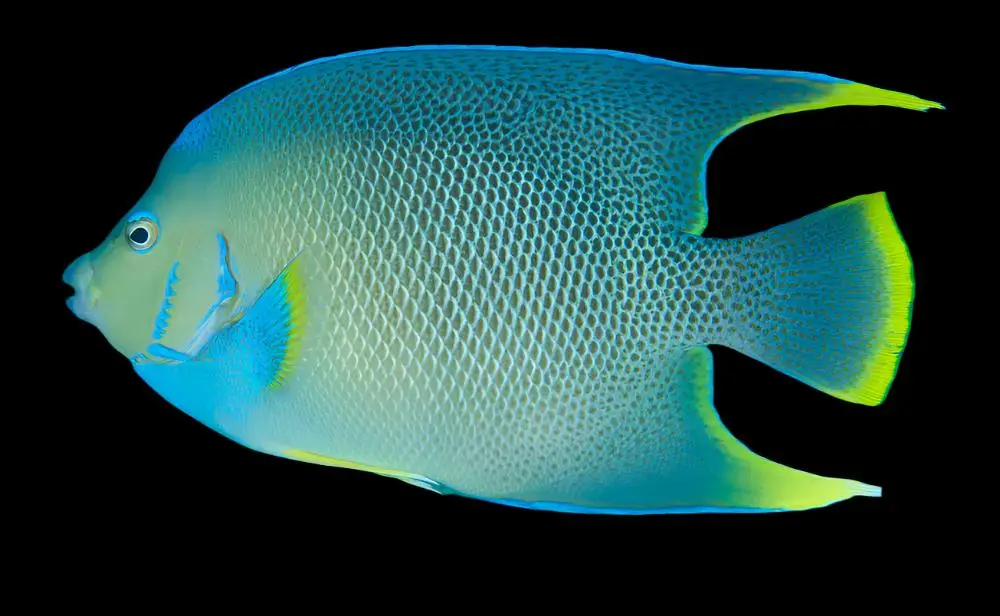
Next, the Cortez Angelfish transitions into a steel-blue adult with nuanced patterning and a striking head bar.
Adult Features
-
Shows a pale-speckled mid-section.
-
Carries a vertical yellow band behind the head.
-
Features blue-green detailing on the dorsal fin.
Adult Size Range
-
Medium: 2 to 3 inches
-
Medium/Large: 3 to 4 inches
-
Large: 4 to 7 inches
Habitat Plans for Long-Term Success
To begin, build a wide footprint with robust rockwork and open lanes. Additionally, prioritize territory and grazing zones.
Aquarium Requirements
-
Use a minimum of 250 gallons.
-
Add caves, arches, and stable shelves.
-
Keep one angelfish to prevent conflicts.
Reef Compatibility
-
Avoid reef corals and clams.
-
Expect nipping toward soft and stony corals.
-
Therefore, choose fish-only or FOWLR systems.
Daily Feeding That Drives Color
Then, support growth with diverse, sponge-rich foods. Furthermore, rotate items to sustain appetite and vibrancy.
Natural Food Sources
-
Sponges, algae, tunicates, and occasional eggs.
Aquarium Diet
-
Offer Spirulina and marine algae sheets.
-
Include mysis, shrimp, and meaty blends.
-
Use angelfish formulas containing sponge.
Feeding Schedule
-
Provide small, varied portions several times daily.
Where the Cortez Angelfish Comes From
Finally, the Cortez Angelfish ranges across the Eastern Pacific. It spans from Mexico’s Gulf of California to Peru.
FAQ About the Cortez Angelfish Juvenile
Is the Cortez Angelfish reef-safe?
No. It nips corals and clam mantles, so use fish-focused systems.
What tank size fits the Cortez Angelfish long term?
Start at 250 gallons. Larger volumes reduce stress and aggression.
What does the Cortez Angelfish eat?
Feed sponge-based foods, algae, mysis, and meaty blends consistently.
Can I keep multiple angelfish together?
Avoid it. This species defends territory and challenges similar fish.
How large does the Cortez Angelfish grow?
Expect up to 7 inches in spacious, stable aquariums.
Thrive
- Browse full offerings inside our fish shop.
- View angelfish peers at this species collection.
- Explore frozen blends in liquid & frozen foods.
- Monitor water quality with essential test kits.
Tips, Tricks, and Tanks
- Photo tips on Instagram Stories
- Gear chats on Facebook Groups
- 60-second guides on TikTok
- In-depth threads on Reef2Reef
Reviews
There are no reviews yet.