




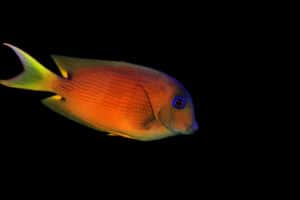
Blue Eyed Tang Ctenochaetus binotatus
- Description
- Additional Information
- Reviews
Blue Eyed Tang Ctenochaetus binotatus Reef Care and Behavior Guide
The Blue Eyed Tang (Ctenochaetus binotatus) adds steady movement and practical algae control to established reef aquariums. This species stays active throughout the day while maintaining a calm presence in community systems.
Native to the Indo-Pacific, this tang thrives in rock-rich environments where natural grazing opportunities remain consistent. As a result, it supports long-term tank stability while enhancing visual balance.
Blue Eyed Tang Appearance and Visual Traits
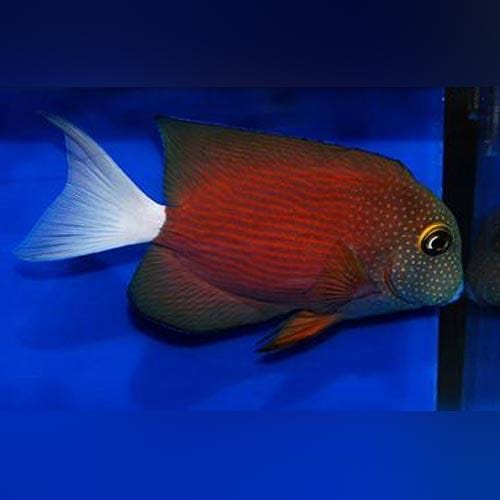
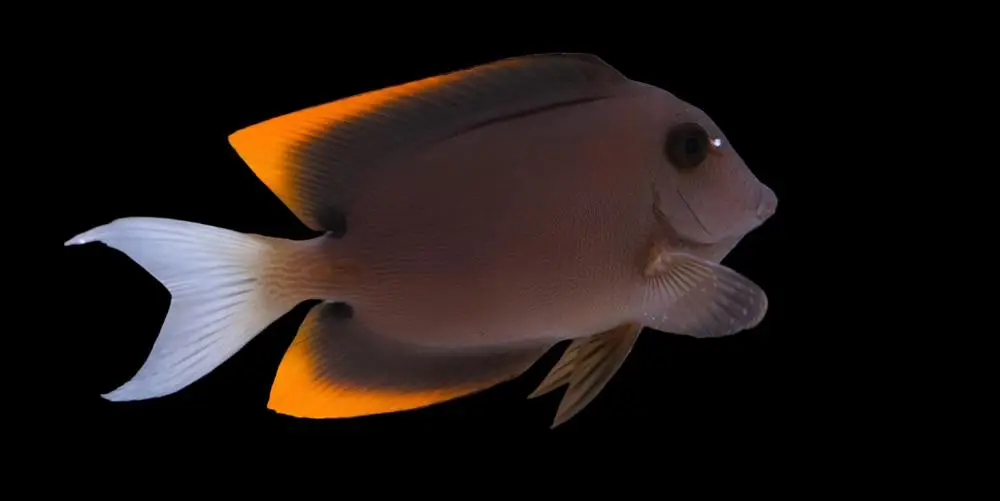
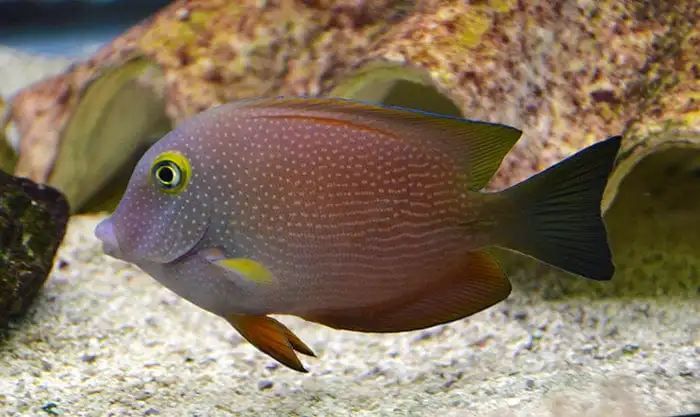
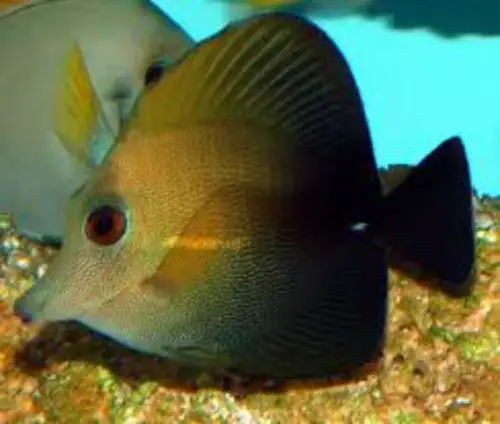
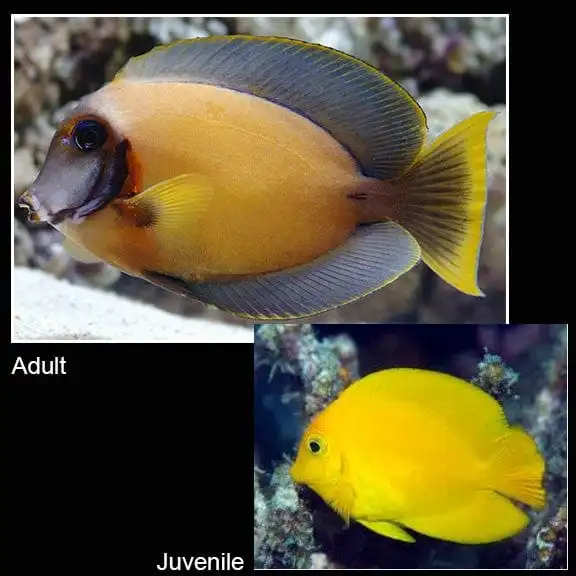
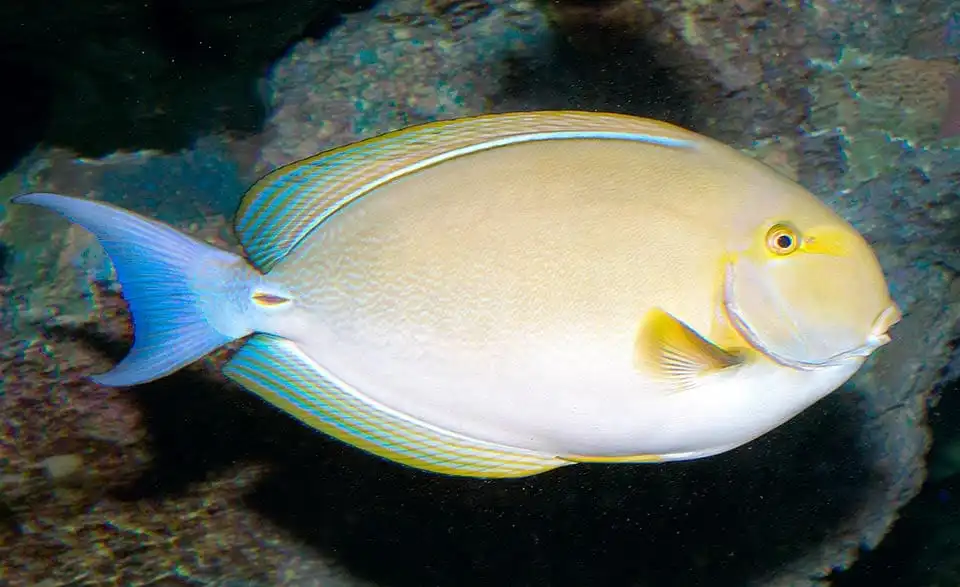
This species features a warm-toned body layered with fine horizontal striping and strong color contrast. Its defining feature remains the bright blue eye that stands out immediately.
- Orange to pink base coloration with subtle white striping
- Yellow-toned fins that brighten under reef lighting
- Deep blue eye coloration that creates a sharp focal point
- Streamlined body shape designed for continuous grazing
Because of these traits, it blends well into reef systems while still drawing attention.
Blue Eyed Tang Tank Setup and Environment
The Blue Eyed Tang performs best in aquariums that balance open swimming space with structured rockwork. Therefore, proper layout directly impacts long-term health.
- Minimum tank size: 120 gallons
- Live rock for algae growth and natural grazing
- Open swim lanes to support constant movement
- Stable parameters with moderate to strong flow
Additionally, mature systems provide better feeding opportunities and reduce stress during acclimation.
Blue Eyed Tang Feeding and Nutrition
This species relies heavily on algae and detritus as part of its natural feeding behavior. Therefore, consistent access to plant-based nutrition remains essential.
- Offer dried seaweed or nori multiple times per week
- Use spirulina-based pellets or flakes for daily feeding
- Supplement occasionally with frozen foods for balance
- Allow natural algae growth within the tank
Consistent feeding improves coloration, energy levels, and overall health.
Blue Eyed Tang Compatible Tank Mates
The Blue Eyed Tang maintains a generally peaceful temperament in well-planned aquariums. However, avoiding similar species helps prevent unnecessary tension.
- Pairs well with angelfish, gobies, and reef-safe wrasses
- Coexists with peaceful community fish in larger systems
- Avoid housing with other bristletooth tangs or similar grazers
- Introduce after more aggressive species to reduce conflict
Providing adequate space and hiding areas helps maintain harmony across the tank.
Care Stats and Facts
- Care Level: Easy to Moderate
- Temperament: Peaceful to semi-aggressive
- Color Form: Orange, yellow, white striping, blue eye
- Diet: Herbivore with supplemental feeding
- Reef Compatible: Yes
- Water Conditions: pH 8.1–8.4, dKH 8–12, Specific Gravity 1.020–1.025
- Max Size: Up to 8–10 inches
- Origin: Indo-Pacific
- Family: Acanthuridae
- Minimum Tank Size Requirements: 120 gallons
Available Purchase Sizes
- Small: 1.25 to 2.25 inches
- Small-medium: 2.26 to 3 inches
- Medium: 3.1 to 4 inches
- Medium-large: 4.1 to 5 inches
- Large: 5.1 to 6 inches
- XL: 6.1 to 7 inches
Selecting smaller specimens often improves acclimation and long-term integration into reef systems.
Why Add the Blue Eyed to Your Aquarium
The Blue Eyed Tang combines practical algae control with consistent activity and clean visual contrast. It works especially well in established reef tanks that need a reliable grazer.
Additionally, its calm nature and steady swimming pattern make it a strong addition to balanced community setups.
Reviews
There are no reviews yet.