





Blonde Naso Tang Naso lituratus
The Blonde Naso Tang brings steady movement and evolving coloration to large saltwater aquariums. This species thrives in spacious systems with strong flow and consistent algae-based feeding.
- Description
- Additional Information
- Reviews
Blonde Naso Tang Red Sea Female
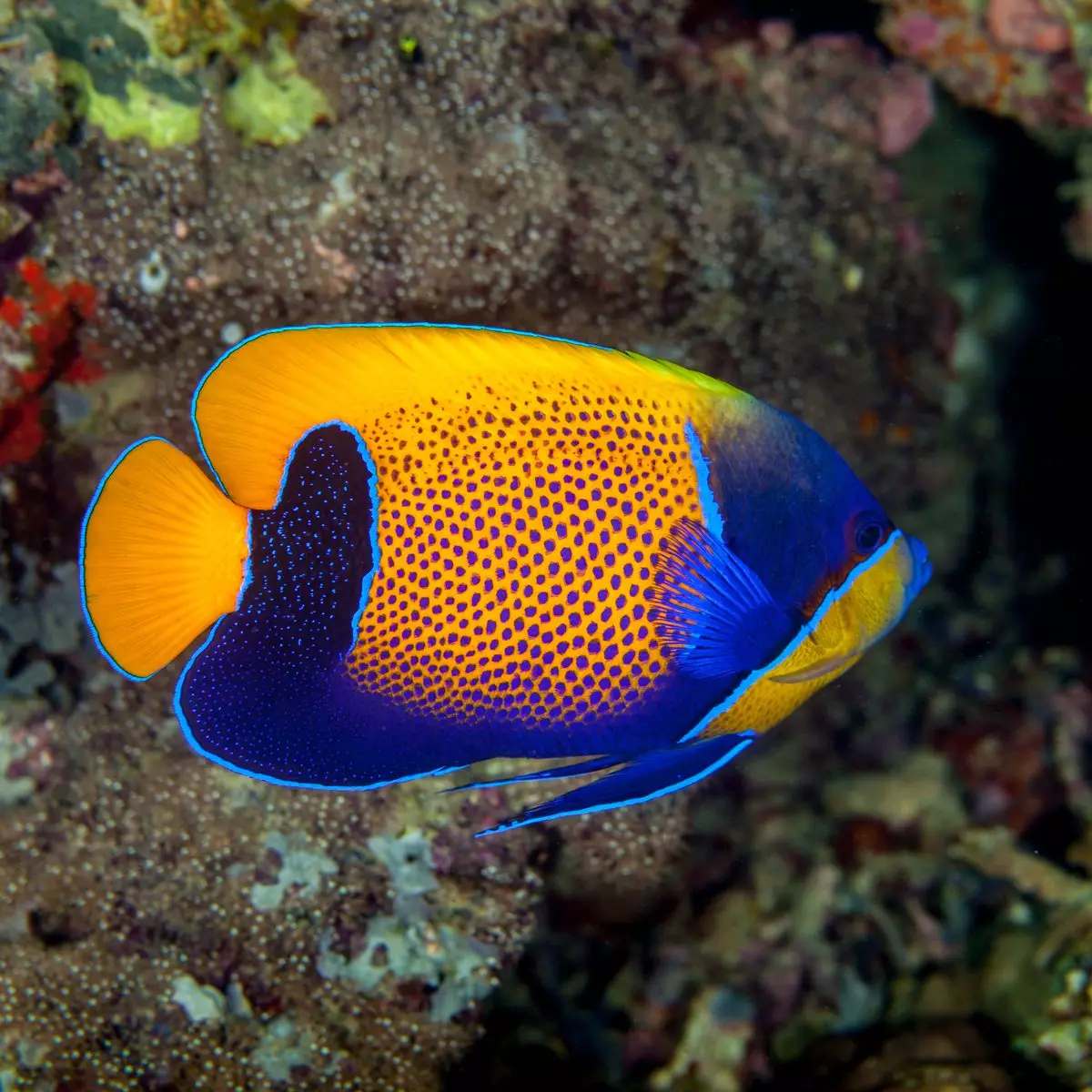
The Blonde Naso Tang, often called the Orange-spine Unicornfish, develops more contrast as it matures. Juveniles show a soft gray body with yellow accents along the dorsal and anal fins. This specific variant is found in the Red Sea. Over time, the coloration deepens into a bluish-gray tone, while new markings begin to form. The tail becomes more defined with a lyre shape, and bright yellow patches appear near the peduncle spines. A subtle dark mask forms across the face, while the lips shift toward a warm yellow hue. Specimens collected from Hawaii typically display stronger, more vibrant coloration.
Blonde Naso Tang Behavior and Tank Setup
This species requires a 180-gallon aquarium or larger to accommodate its size and active swimming habits. Open space is critical, but structured rockwork helps create areas for retreat and security. A tightly secured lid is recommended, as this fish may jump when startled. The Blonde Naso Tang can show aggression toward other tangs, especially in confined environments. However, it generally coexists well with dissimilar tank mates in a balanced community.
Blonde Naso Tang Diet and Feeding Routine
A diet rich in marine algae supports both coloration and long-term health. While the Blonde Naso Tang will accept meaty foods, plant-based nutrition should remain the focus. Dried seaweed placed on a clip or secured to rockwork encourages natural grazing behavior. Feeding algae-based foods several times per week helps reduce aggression and supports immune function. Prepared options like seaweed sheets and marine vegetable blends offer convenient, consistent nutrition.
Quick Stats & Info
- Care Difficulty: Moderate
- Scientific Name: naso lituratus
- Aggressiveness: Semi-aggressive
- Primary Colors: Blue, Black, Yellow, and Grey
- Body Shape: Stocky in its build
- Feeding Behavior: Herbivore
- Reef Suitability: Yes
- Water Chemistry Range: 72 to 78 degrees Farenheit, 8.1 to 8.4 pH, and 8 to 12 dKH
- Max Adult Length: 18"
- Taxonomic Family: Acanthuridae
- Tank Size Requirement (Minimum): 180 gallons
- Tank Size Range (Maximum): anything larger than 180 g
Size Breakdown & Estimates
- Small: 1 to 2 inches
- Small-Medium: 2 to 3 inches
- Medium: 3 to 4 inches
- Medium-Large: 4 to 6 inches
- Large: 6 to 8 inches
- XL: 8 to 10 inches
- XXL: 10 to 12 inches
Reviews
There are no reviews yet.