



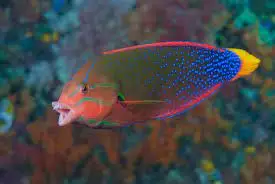
Red Coris Wrasse; Fiji - Coris gaimard
The Red Coris Wrasse adds a burst of kinetic energy and brilliant orange-to-blue hues to any spacious fish-only aquarium. Additionally, this captivating species requires a deep sand bed to satisfy its natural burrowing instincts and ensure long-term health in captivity.
- Description
- Additional Information
- Reviews
Red Coris Wrasse Fiji (Coris gaimard)
The Red Coris Wrasse is widely celebrated as one of the most visually transformative species in the marine hobby. Also known as the Clown Wrasse or Yellowtail Coris, this fish inhabits reefs across the Indo-Pacific, the Hawaiian Islands, and the Red Sea. Because the Red Coris Wrasse transitions through such dramatic life stages, it provides a unique experience for hobbyists watching them grow. While wild specimens can reach a foot in length, they typically remain between six and eight inches in a home aquarium setting.
The Stunning Color Stages of the Red Coris Wrasse
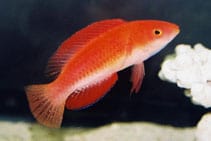
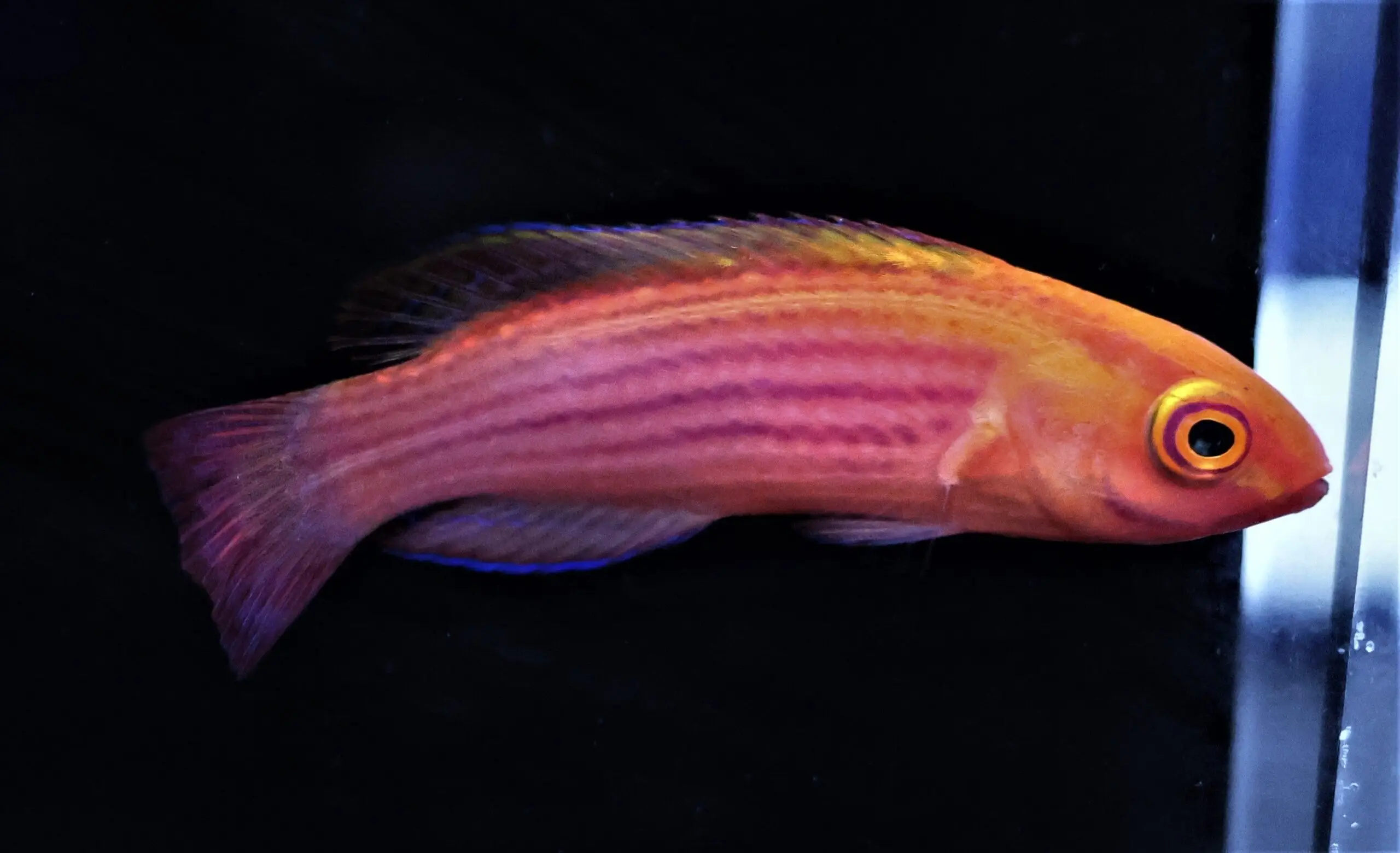
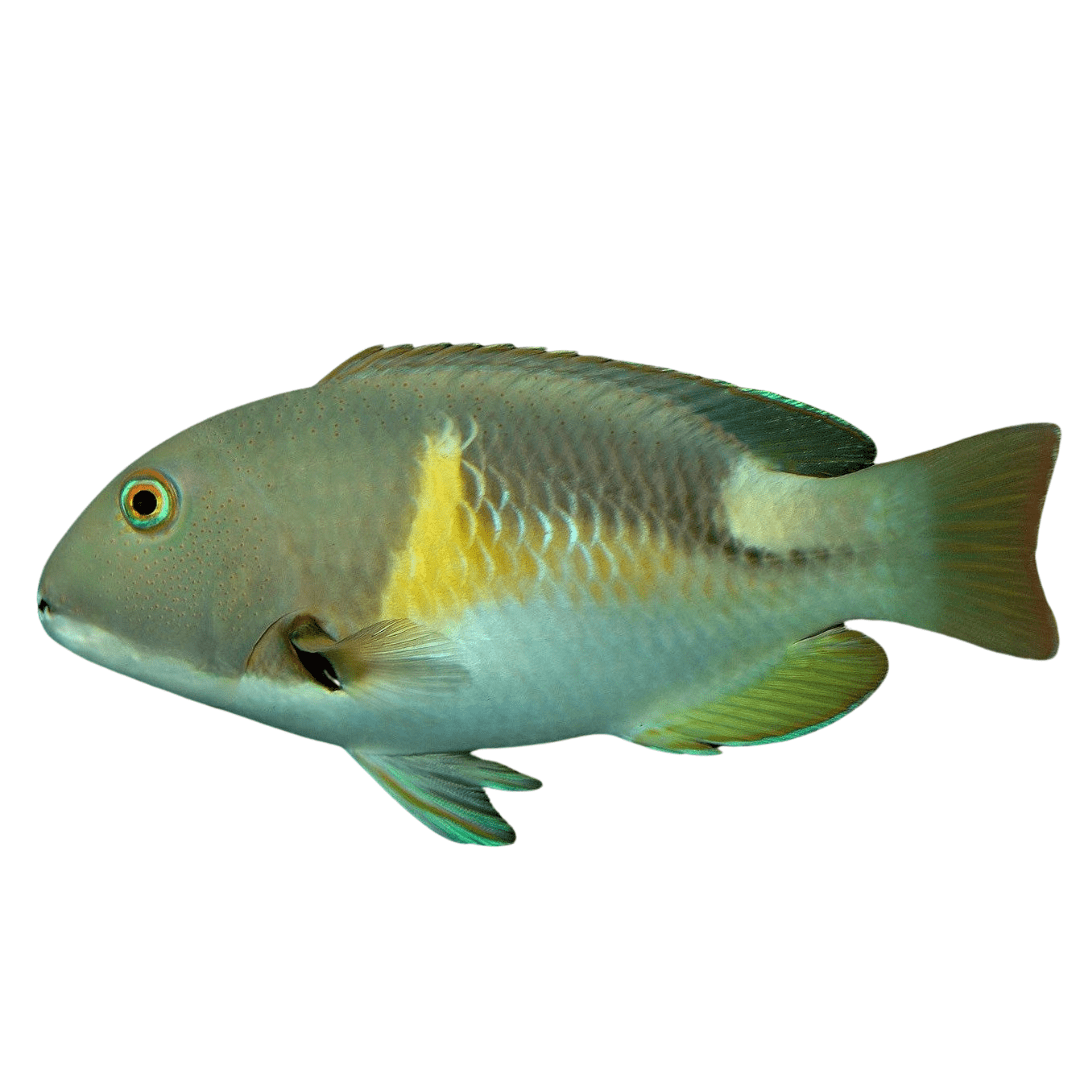
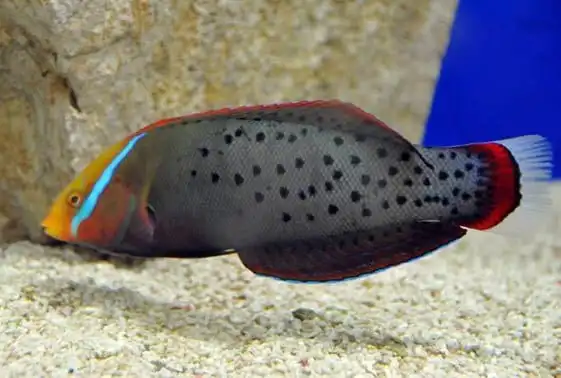
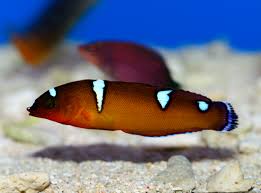
The appearance of this species changes fundamentally as it matures. For instance, a juvenile Red Coris displays a bright orange body decorated with white spots or stripes that are outlined in bold black. However, as the fish enters adulthood, the body shifts to a deep, ethereal blue. Furthermore, the fins become embellished with vibrant reds, yellows, and blues, while the face takes on an orange hue with neon green stripes. Additionally, males often develop a distinct green stripe across the body situated just above the anal fin.
Proper Aquarium Care for the Red Coris Wrasse
To successfully house a Red Coris , you must provide a tank of at least 125 gallons. Most importantly, these fish require a soft, sandy substrate at least three to four inches deep. Because the Red Coris Wrasse burrows into the sand to sleep or hide from threats, a coarse substrate like crushed coral can cause fatal injuries. Consequently, maintaining a high-quality sand bed is the most vital factor for their long-term survival. Furthermore, ensure your aquarium has a tight-fitting lid to prevent this active swimmer from jumping out.
Temperament and Dietary Needs
While young specimens are generally peaceful, an adult Red Coris can become quite boisterous and destructive. For this reason, they are not considered reef-safe, as they will likely consume small invertebrates, crabs, and snails. Therefore, you should house them with larger, more aggressive tank mates that can tolerate their high energy. To maintain the brilliant colors of your Red Coris , provide a varied, protein-rich diet consisting of:
-
Vitamin-enriched frozen mysis and brine shrimp.
-
High-quality meaty frozen foods and fresh seafood.
-
Premium marine flakes and nutrient-dense sinking pellets.
Approximate Purchase Sizes
| Growth Phase | Small | Medium | Large | X-Large |
| Juvenile | 1" – 1.75" | 1.75" – 2.25" | 2.25" – 3.5" | — |
| Adult | 1.5" – 2.5" | 3.5" – 4" | 5" – 6" |
Reviews
There are no reviews yet.