




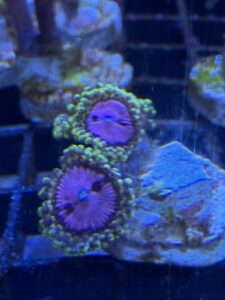
Pink DIamond Zoanthid Coral

- Description
- Additional Information
- Reviews
Elevate Your Reef with the Radiance of Pink Diamond Zoanthid Coral
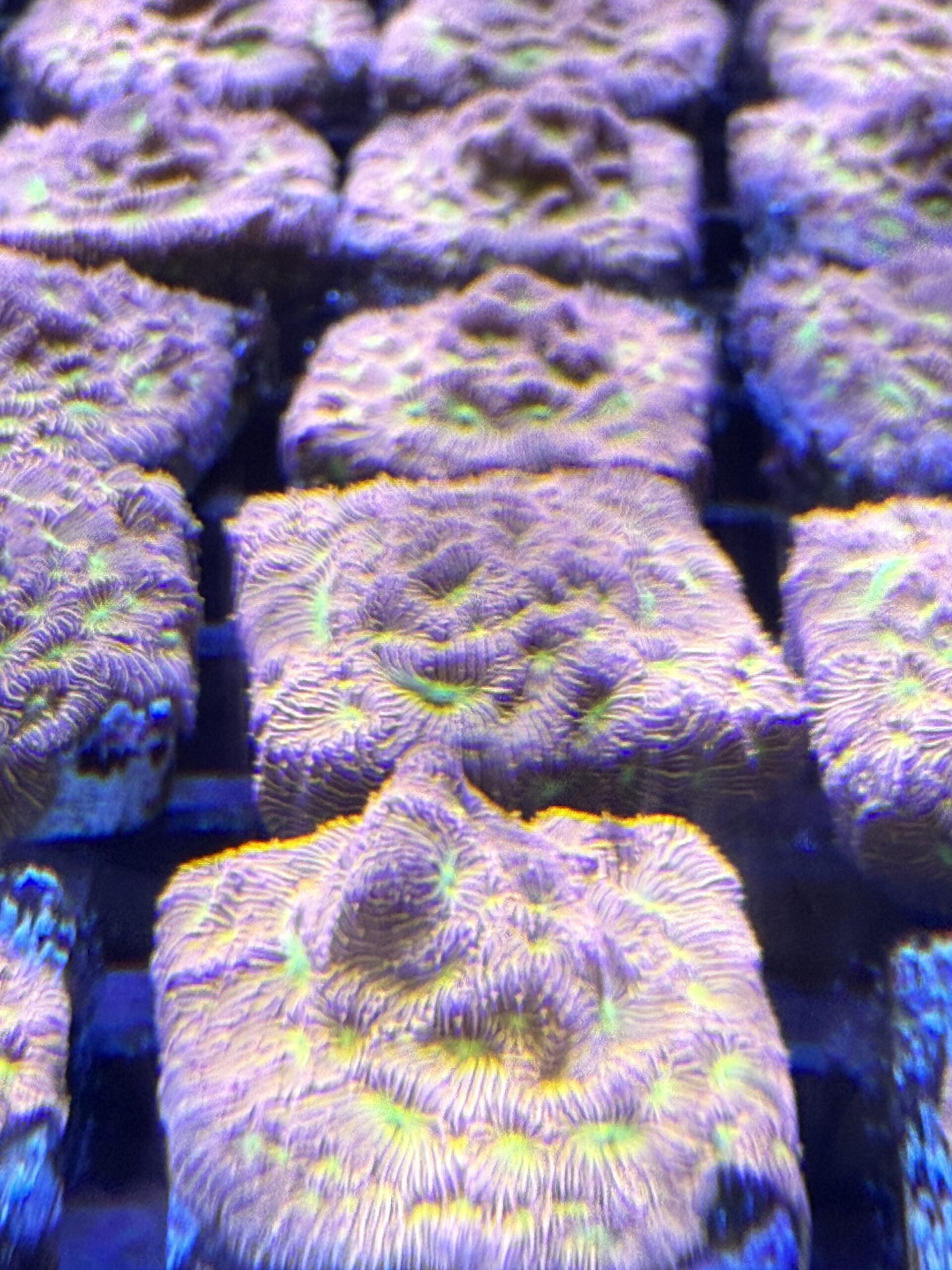
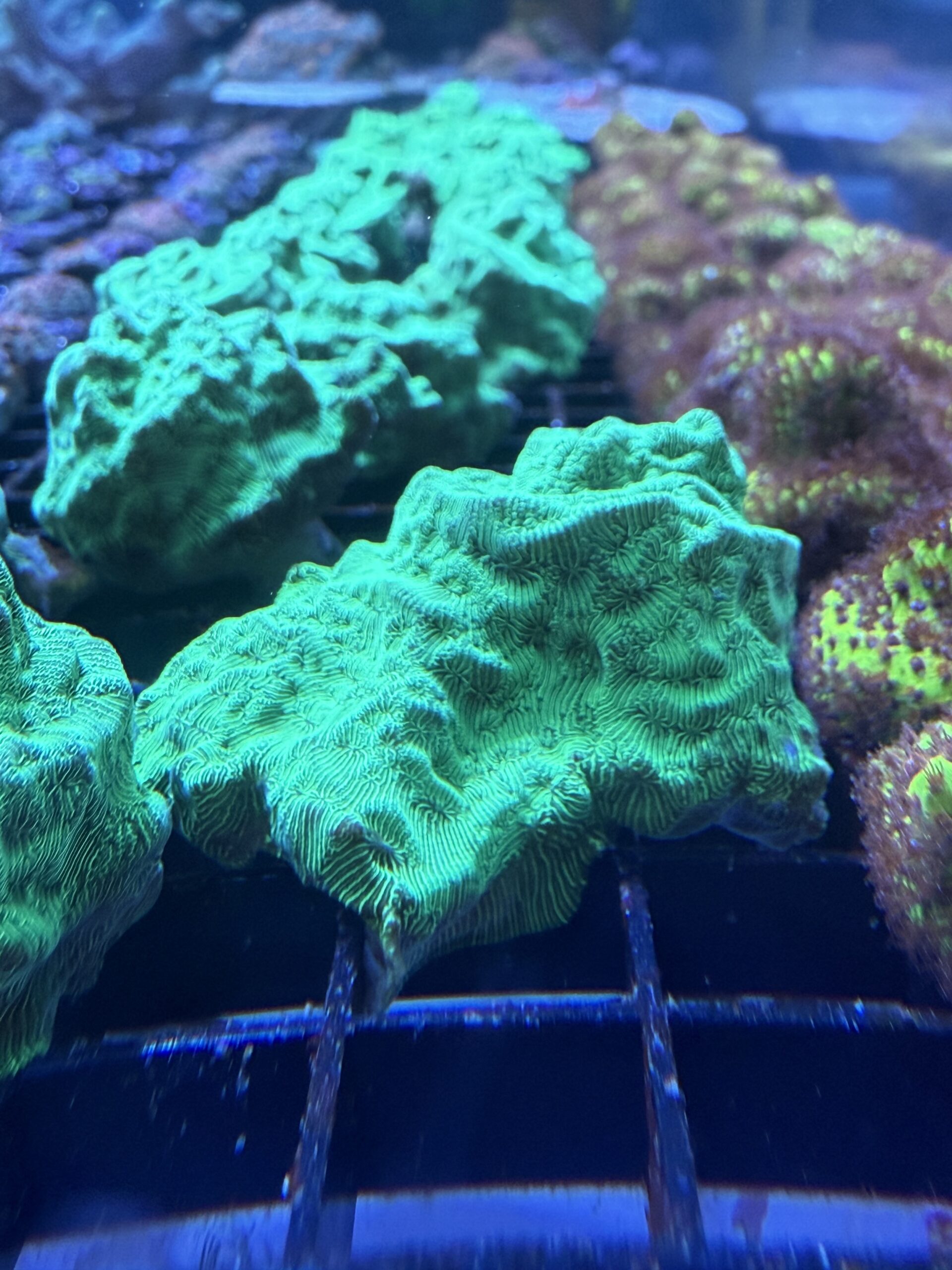
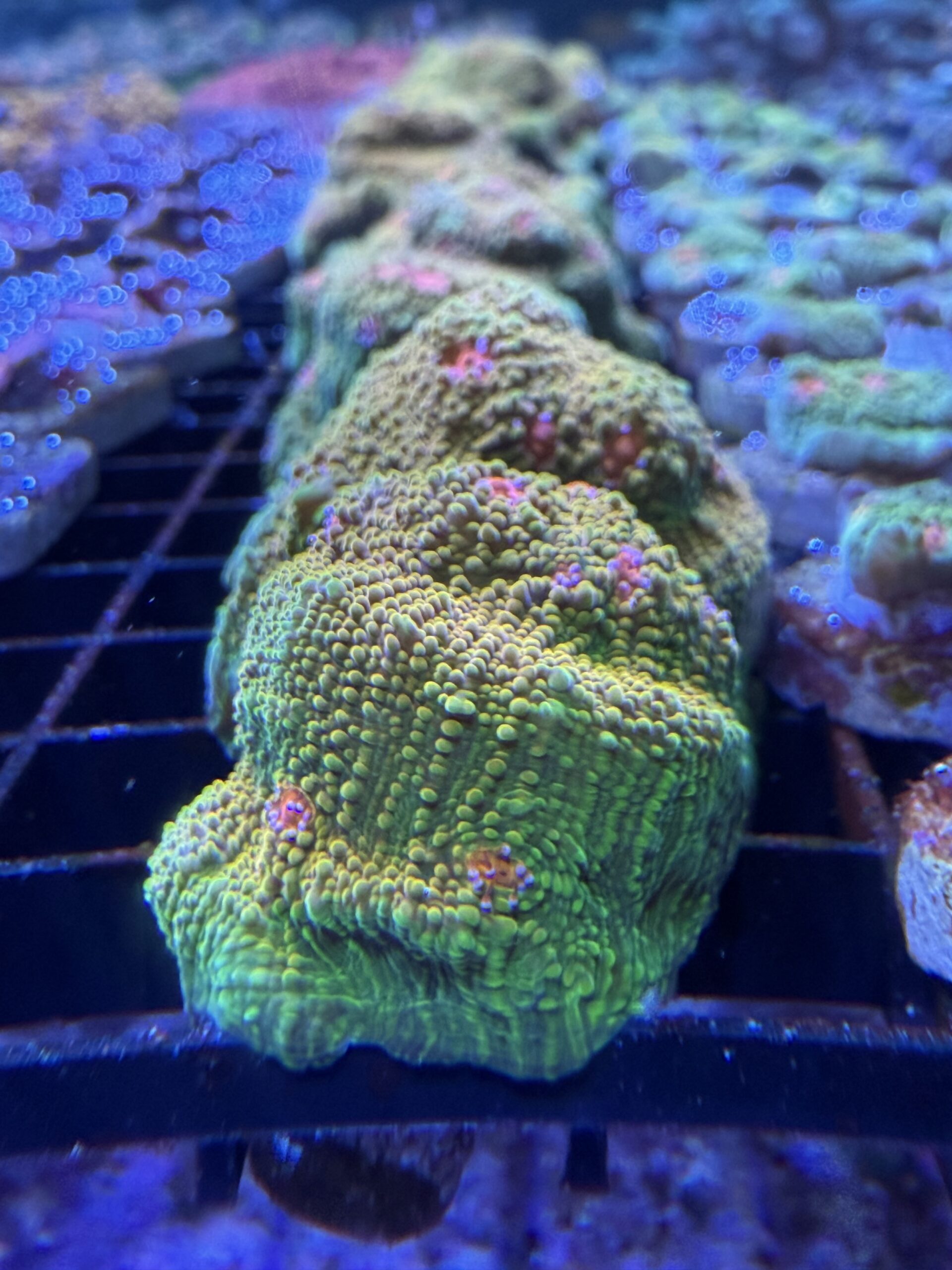
The Pink Diamond Zoanthid Coral combines high-impact color with ease-of-care, making it a favorite across reef hobbyists—from new aquarists to seasoned collectors. With its soft pink centers and bright skirts, this zoa stands out under blue reef lighting and adds instant pop to frag racks and rockwork.
The Pink Diamond Zoanthid Coral Thrives in a Variety of Reef Conditions
Zoanthids are known for their versatility, and Pink Diamond Zoanthid Coral is no exception. It acclimates well to a range of lighting and flow conditions, making it a solid pick for mixed reefs or zoa-dominated sections.
Lighting Guidelines:
-
Low Light (30–50 PAR): Polyps may stretch slightly but remain healthy
-
Moderate Light (50–150 PAR): Ideal zone for color and growth balance
-
High Light (150+ PAR): Brings out the most fluorescent hues under actinic LEDs
Always start with light acclimation and gradually increase exposure over several days.
How to Place the Pink Diamond Zoanthid Coral for Best Results
Positioning Tips for Growth and Color Stability
-
Place on rock ledges, frag racks, or bottom glass
-
Avoid shaded corners; ensure moderate flow reaches the colony
-
Mount frags with reef-safe glue or epoxy to prevent shifting
The Pink Diamond Zoanthid Coral spreads outward quickly once established. Give it a few inches of space to expand.
Water Movement and Cleanliness for the Pink Diamond Zoanthid Coral
Zoanthids can trap detritus between polyps, especially in still water. Keep your Pink Diamond Zoanthid happy with indirect, chaotic flow that prevents buildup without blowing the polyps shut.
Flow Setup Suggestions:
-
Aim for cross-tank circulation or randomized powerhead patterns
-
Use a turkey baster weekly to gently clean colonies
-
Avoid direct blasting on freshly glued frags
Feeding the Pink Diamond Zoanthid Coral
While primarily photosynthetic, this coral benefits from occasional spot feeding. That extra nutrition can accelerate growth and enhance pigment development.
Feeding Options:
-
Finely ground reef food (e.g., rotifers, Reef Roids, or cyclops)
-
Turn off pumps for 10–15 minutes during feeding
-
Target feed gently with a pipette or turkey baster
Note: Larger colonies may respond more aggressively to food than single-frag specimens.
Propagation and Aquaculture Potential
Fragging Made Simple
The Pink Diamond Zoanthid Coral is ideal for fragging and propagation. It grows over frag plugs, tiles, or rubble, making division easy once polyps cover the surface.
Propagation Tips:
-
Use a scalpel or coral cutters to slice between polyps
-
Wear gloves and eye protection when handling colonies
-
Allow frags to recover in low-light, stable conditions for 48–72 hours
Where Pink Diamond Zoanthids Come From
Zoanthids like the Pink Diamond variety are found in reef shallows throughout the Indo-Pacific, especially in Fiji, Tonga, and the Solomon Islands. They often thrive in exposed tidal areas, which explains their tolerance for light and flow changes in aquariums.
Identification vs. Naming: What Makes It a Zoanthid?
Zoanthids belong to the order Zoantharia, which includes both Zoanthus and Palythoa. The Pink Diamond Zoanthid falls on the Zoanthus side, with smaller polyps and tighter clustering.
While hobby names vary, this frag is well known for:
-
Round, uniform polyp shape
-
Bright pink centers with white or neon skirts
-
Moderate colony expansion speed
Important Safety Note About Handling
Like many zoanthids, the Pink Diamond Zoanthid may contain trace amounts of palytoxin. This compound is dangerous if aerosolized or ingested.
Safety Reminders:
-
Never scrub, boil, or cut without gloves and eye protection
-
Use caution when fragging or moving colonies
-
Wash hands thoroughly after handling
That said, routine tank care with intact colonies poses minimal risk.
Acclimating the Pink Diamond Zoanthid Coral
Always acclimate coral frags slowly to avoid shock from temperature or salinity swings. The Pink Diamond Zoanthid responds well to drip acclimation over 20–30 minutes.
Acclimation Steps:
-
Float the sealed bag for 10 minutes to match temperature
-
Begin drip acclimation using clean tank water
-
Mount the coral and place in lower light for the first 48 hours
Now Featured in Our Staff Picks Corals Collection
Looking for a coral that’s both eye-catching and beginner-friendly? Our team unanimously picked the Pink Diamond Zoanthid Coral for this week’s featured spotlight—and it’s easy to see why. With its neon pink centers and clean encrusting growth, this frag adds instant pop to any reef tank, whether you’re just getting started or curating a high-end zoa garden.
You’ll find this vibrant coral under our Staff Picks Corals, where we highlight frags that stand out for color, resilience, and overall wow factor. The Pink Diamond Zoanthid checks every box—fast growth, bold contrast, and consistent performance under a wide range of lighting setups.
Reviews
There are no reviews yet.