



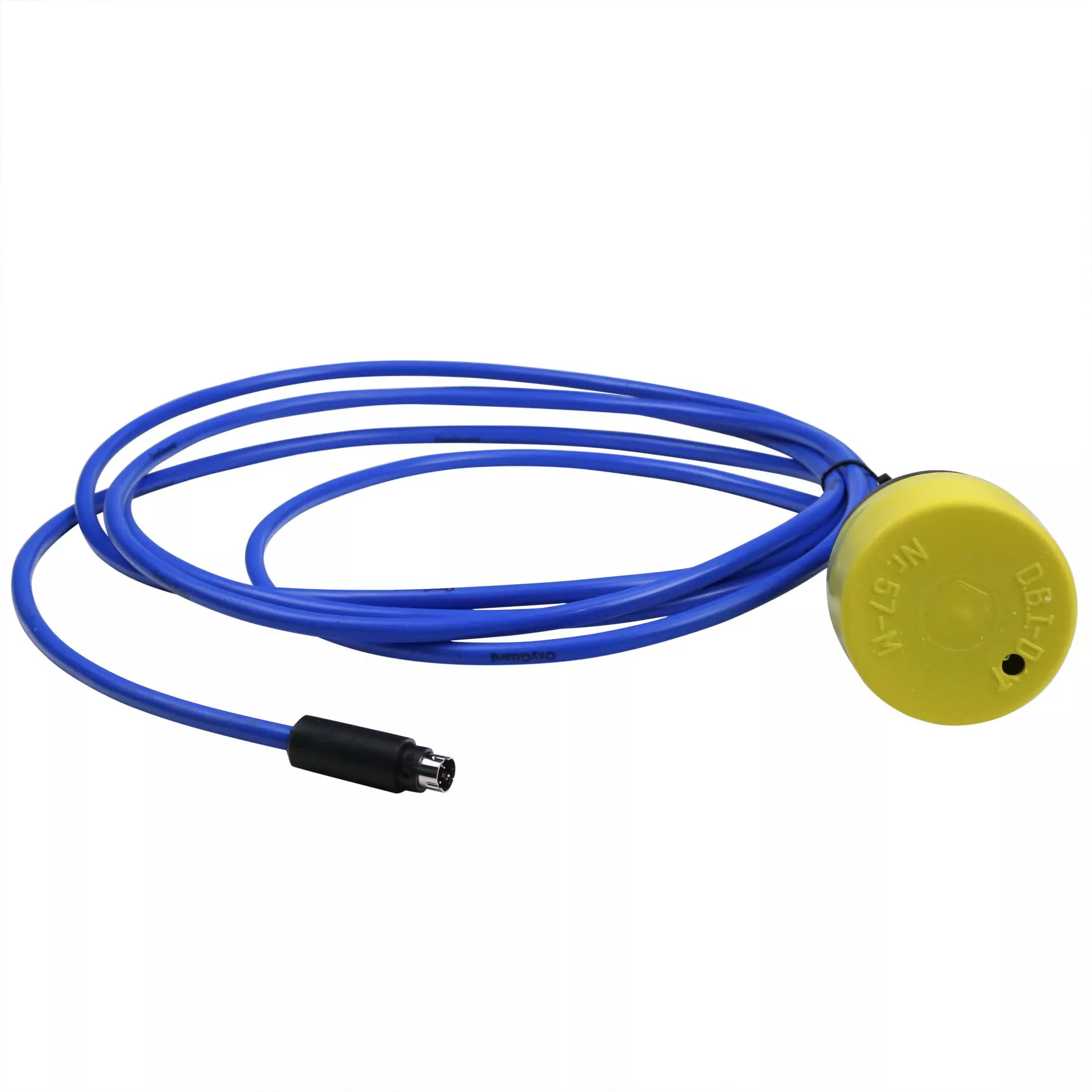
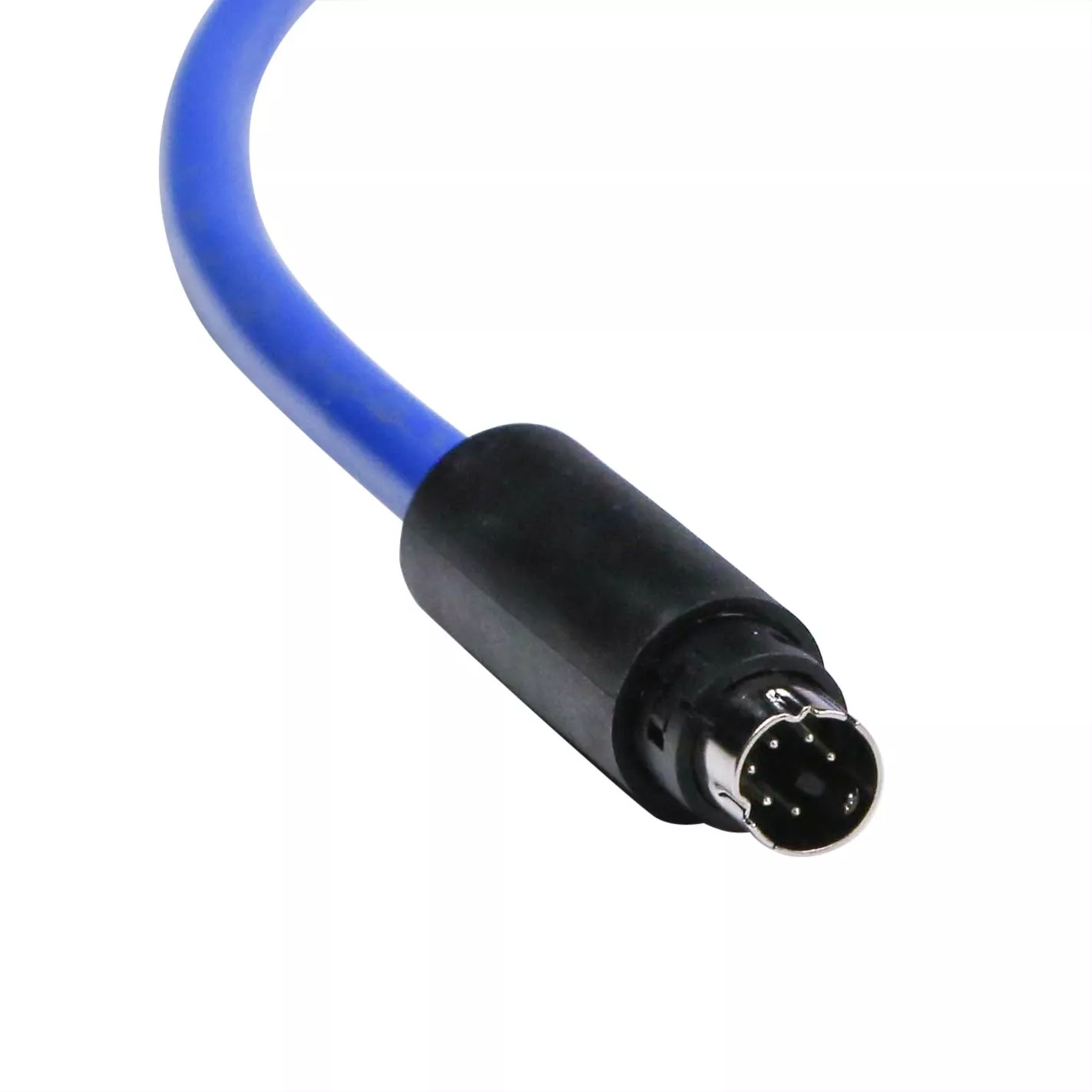
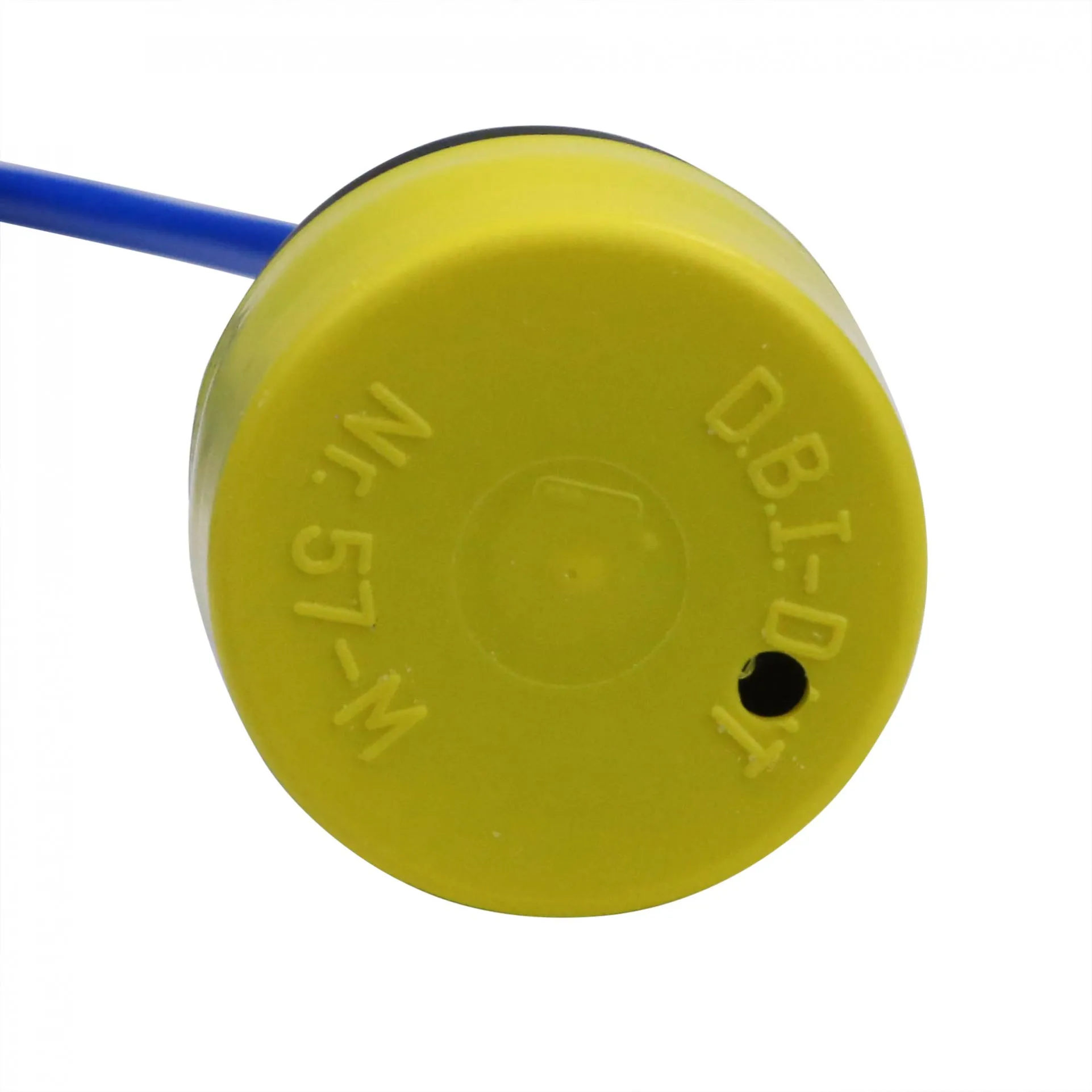
Neptune Systems Lab grade Dissolved Oxygen Probe
Frequently Bought Together

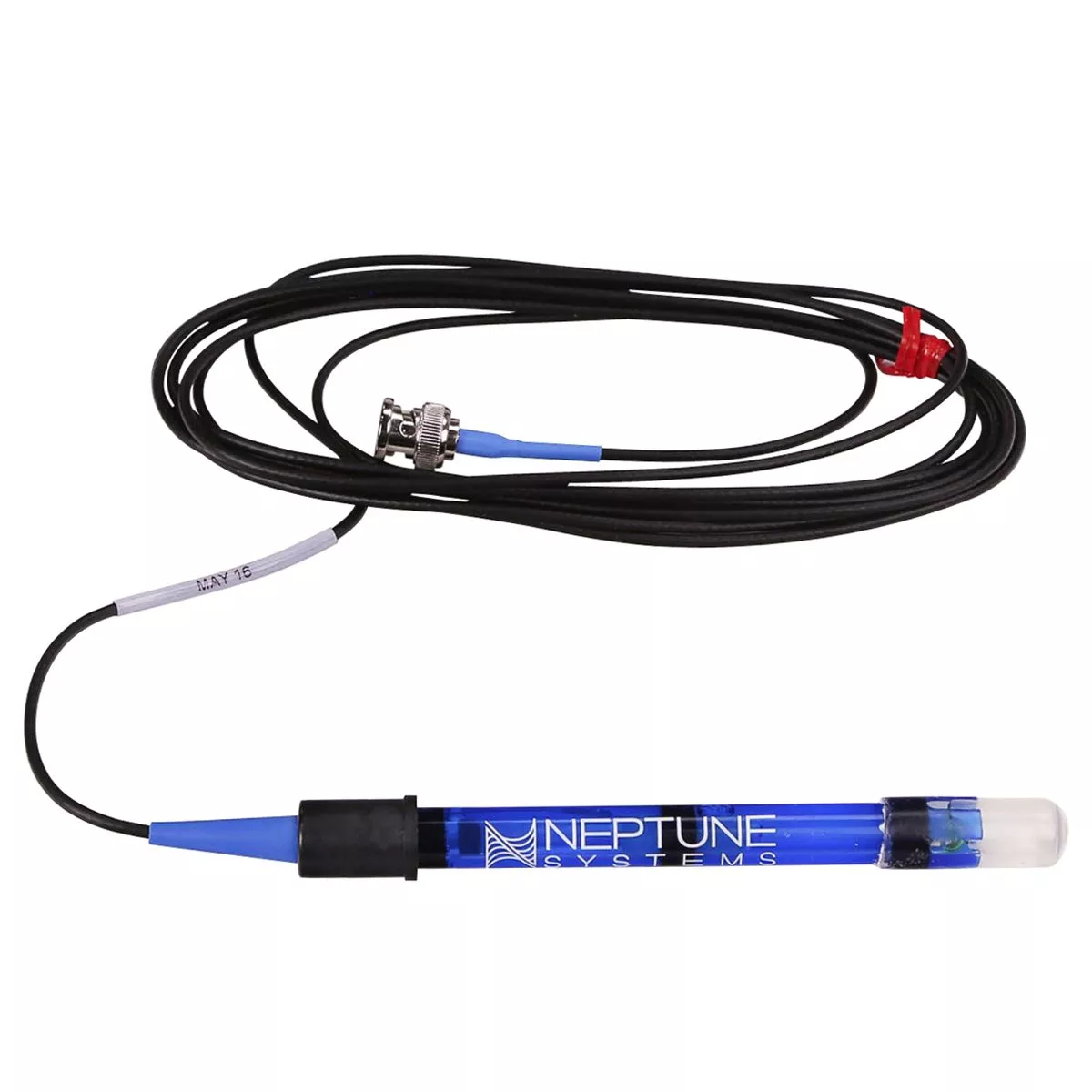
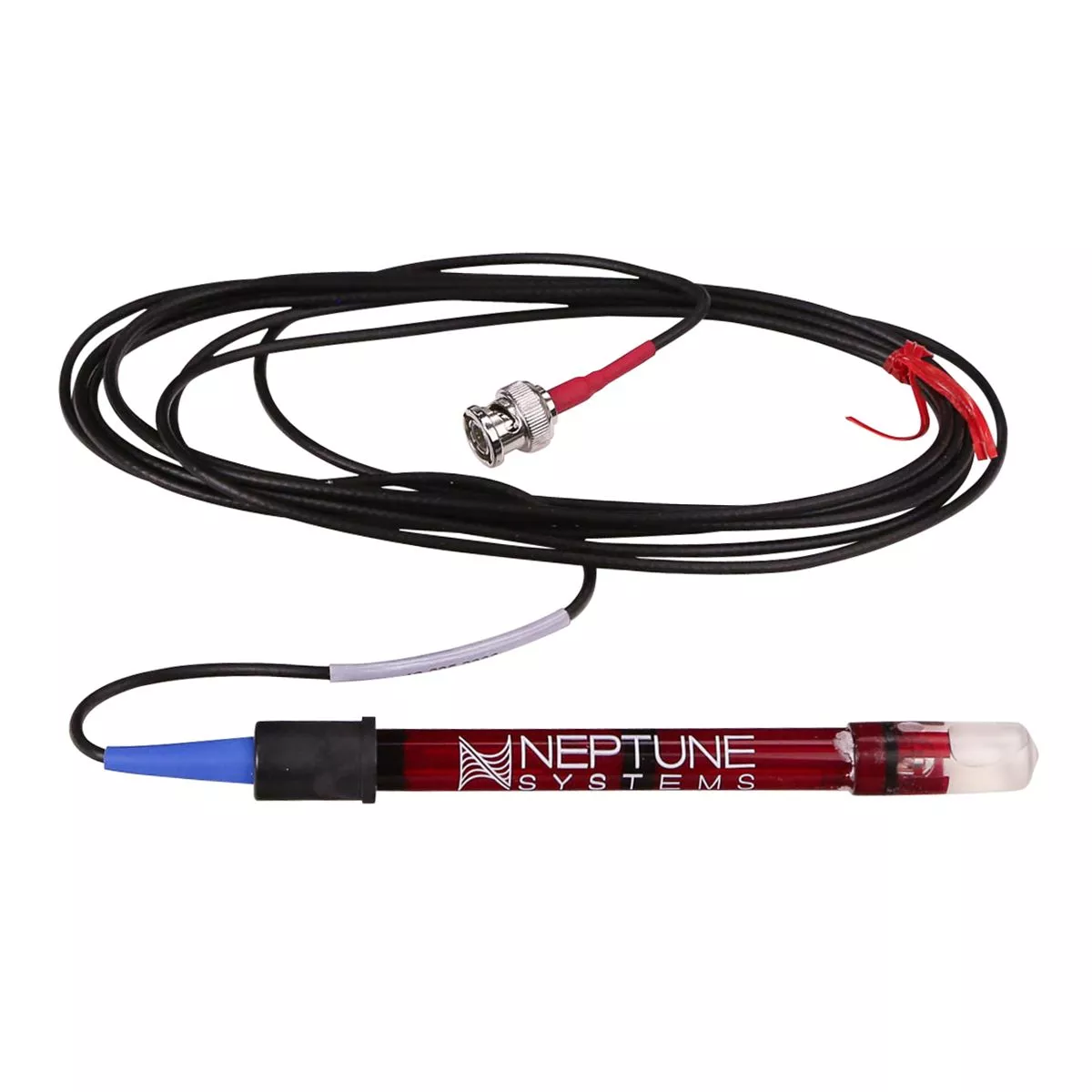


- Description
- Additional Information
- Reviews
Neptune Systems Lab grade Dissolved Oxygen Probe – Neptune Systems Oxygen Probe for PM3 monitoring
The Neptune Systems Lab grade Dissolved Oxygen Probe tracks dissolved oxygen with lab-style stability for reef and freshwater systems. It pairs naturally with Neptune Systems gear under Automate & Monitor.
Neptune Systems Oxygen Probe benefits for precise control
This Neptune Systems Oxygen Probe integrates with the PM3 module for steady, real-time readings. Place it under Probes to keep your testing workflow clear and organized.
Why this probe stands out
-
Lab-grade build delivers consistent DO readings.
-
Replaceable sensing membrane reduces long-term costs.
-
Ten-foot cable reaches sumps and cabinets with ease.
-
Rugged body resists routine bumps and salt creep.
-
Works for reef, fish-only, and planted tanks.
Keep oxygen stable with simple practices
-
Increase gas exchange at the surface.
-
Use air stones or point returns upward.
-
Remove detritus that can depress DO levels.
-
Avoid overcrowding to limit oxygen demand.
Easy upkeep for the Neptune Systems Lab grade Dissolved Oxygen Probe
-
Replace the membrane about every three months.
-
Rinse with tank water after maintenance.
-
Calibrate per PM3 prompts during setup.
-
Coil slack neatly to protect the cable.
Quick DO reference (U.S. format)
-
Typical reef saturation sits near 70%.
-
Aim for 4.5–7.0 ppm in mixed reefs.
-
Stress can appear below 4.0 ppm.
-
Risks increase below 3.0 ppm.
What’s included
-
Neptune Systems Lab grade Dissolved Oxygen Probe
-
10 ft cable
-
Quick start guidance
Specifications
-
Compatibility: PM3 module
-
Cable length: 10 ft
-
Membrane: User-replaceable
-
Maintenance interval: ~3 months per membrane
-
Intended use: Aquarium dissolved oxygen monitoring
Frequently Asked Questions about the Neptune Systems Lab grade Dissolved Oxygen Probe
Does the probe work in saltwater and freshwater?
Yes. The sensor measures dissolved oxygen in either environment.
How often should I change the membrane?
Plan on about every three months with regular use.
Do I need the PM3 module?
Yes. The PM3 reads and displays the probe’s output inside Apex.
Can I calibrate the probe?
Yes. Follow the PM3 calibration steps for best accuracy.
Where should I place the sensor?
Mount it in a high-flow area away from microbubbles.
Will this help diagnose low oxygen events?
Yes. Continuous DO data helps catch issues before livestock shows stress.
Reviews
There are no reviews yet.